

American-Type Substation Supplier: Essential Solutions for Modern Power Infrastructure
2026-01-14
In today’s rapidly evolving energy landscape, the reliability of power infrastructure is more critical than ever. As demand grows and technology advances, so does the need for robust substation solutions that ensure seamless electricity distribution. This blog delves into the realm of American-type substation suppliers, highlighting the innovative approaches that drive modern power networks forward. Lugao stands at the forefront of this movement, offering essential solutions that not only meet but exceed industry standards. Whether you're an engineer, project manager, or industry enthusiast, join us as we explore how these suppliers are shaping a more resilient and efficient future for power infrastructure. Get ready to uncover the insights that could transform your next project.
Innovative Design and Cutting-Edge Technology in American-Style Substations
American-style substations have undergone a remarkable evolution, characterized by forward-thinking design and advanced technological implementations that prioritize both efficiency and safety. Instead of relying on conventional layouts, these facilities often incorporate modular designs that allow for quicker deployment and easier maintenance. Innovations like prefabricated enclosures and space-saving configurations not only reduce construction time but also enhance adaptability to varying environmental conditions, making them suitable for both urban and rural settings without compromising performance.
At the heart of these substations lies cutting-edge technology that integrates smart grid capabilities and real-time monitoring systems. For instance, the use of digital substation architectures, which replace traditional analog components with IEC 61850-based communication networks, enables more precise control and faster response to grid disturbances. Technologies such as advanced sensors and automated switchgear help in predicting equipment failures before they occur, minimizing downtime and ensuring a reliable power supply. This proactive approach to maintenance, supported by data analytics, transforms how substations operate in modern energy networks.
Furthermore, sustainability is a key focus, with many American-style substations incorporating eco-friendly materials and energy-efficient systems. Examples include the integration of renewable energy sources like solar panels on-site and the use of low-emission transformers that reduce environmental impact. By blending innovative designs with state-of-the-art technology, these substations not only meet current energy demands but also pave the way for a more resilient and sustainable electrical infrastructure, setting new standards in the industry.
Reliable Performance and Durability for Diverse Power Grid Applications
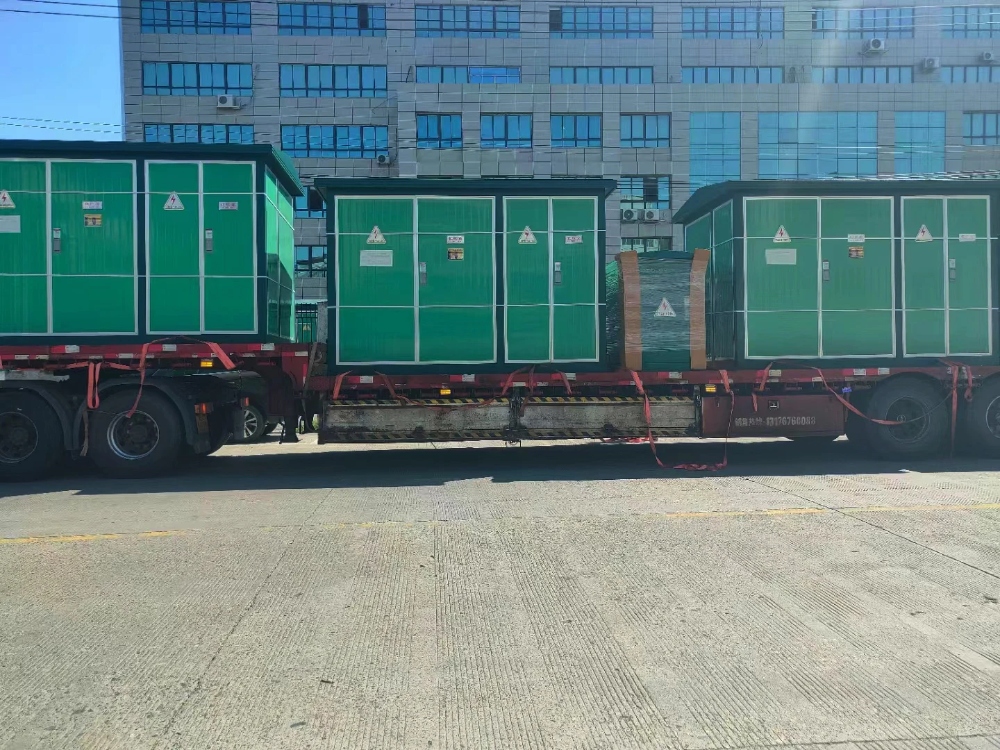
In the dynamic landscape of modern power grids, ensuring reliable performance and durability is paramount for applications ranging from urban infrastructure to remote renewable energy installations. Our solutions are engineered to withstand extreme conditions, from temperature fluctuations to electrical surges, delivering consistent operation that minimizes downtime and maintenance costs. This resilience is built on advanced materials and rigorous testing protocols, tailored to meet the specific demands of diverse environments, ensuring that power flow remains uninterrupted even under stress.
Durability goes beyond mere longevity; it encompasses a commitment to sustainability and efficiency across varied grid applications. By integrating smart monitoring systems and robust design principles, our products adapt seamlessly to both traditional and emerging grid topologies, such as microgrids and distributed generation networks. This adaptability not only enhances reliability but also future-proofs investments, making them ideal for utilities and industries seeking to upgrade aging infrastructure without compromising on performance or environmental goals.
From transformers to circuit breakers, each component is crafted with a focus on real-world performance, drawing on decades of field experience to anticipate and mitigate common failure points. This practical approach ensures that our offerings stand out by prioritizing operational excellence tailored to specific application needs, rather than relying on generic claims. As a result, customers benefit from systems that not only meet but exceed industry standards for reliability and durability, supporting a more resilient and efficient global power grid for years to come.
Customizable Solutions to Meet Modern Infrastructure Demands
In today's fast-paced digital landscape, businesses face the challenge of scaling their operations while maintaining flexibility and efficiency. Our customizable solutions are designed to adapt seamlessly to these evolving demands, offering tailored configurations that align with your specific infrastructure needs. Whether you're expanding cloud capabilities or upgrading on-premise systems, our approach ensures that every component integrates smoothly, reducing downtime and enhancing overall performance.
Beyond basic scalability, our solutions prioritize innovation and future-proofing. We focus on modular designs that allow for easy upgrades and modifications, ensuring your infrastructure stays ahead of technological trends without requiring complete overhauls. By leveraging advanced technologies and personalized consultancy, we help you build a resilient framework that not only meets current requirements but also anticipates future growth, enabling a competitive edge in dynamic markets.
Collaboration is at the heart of our methodology. We work closely with your team to understand unique challenges and goals, crafting bespoke strategies that deliver tangible results. From initial assessment to ongoing support, our solutions are built on a foundation of reliability and adaptability, empowering organizations to navigate modern infrastructure complexities with confidence and agility.
Enhanced Safety and Efficiency in Power Distribution Systems
Imagine a world where power outages are rare, and when they occur, they're resolved almost instantaneously. That's the promise of enhanced safety and efficiency in modern power distribution systems. By integrating advanced technologies like smart sensors and real-time monitoring, these systems can detect faults at the earliest stages. For example, if a tree branch falls on a power line, sensors immediately alert operators, who can then isolate the affected area and reroute electricity before customers even notice a disruption. This proactive approach not only prevents accidents but also minimizes downtime, ensuring a more reliable power supply for homes and businesses.
Beyond safety, these innovations deliver significant efficiency gains. Traditional grid systems often operate with considerable energy losses due to outdated infrastructure and inefficient load management. Enhanced distribution systems leverage automation and data analytics to optimize power flow dynamically. They balance loads across the network, reducing strain during peak hours and preventing overloads that could lead to equipment failures. In practice, this means utilities can serve more customers with the same infrastructure, cutting down on waste and lowering operational costs. It's a win-win for providers and consumers alike, promoting sustainability through smarter energy use.
What truly sets these systems apart is their adaptability to changing demands, such as the rise of renewable energy sources. With solar panels and wind turbines becoming commonplace, distribution networks must handle variable inputs without compromising stability. Enhanced systems use predictive algorithms to forecast energy generation and consumption patterns, integrating renewables seamlessly. This not only supports green initiatives but also enhances grid resilience against natural disasters and cyber threats. In essence, by prioritizing both safety and efficiency, these advanced systems are paving the way for a more robust, responsive, and eco-friendly power infrastructure that meets the challenges of the 21st century.
Integration with Renewable Energy Sources and Smart Grids
Incorporating renewable energy sources into modern power grids demands a departure from conventional management approaches. As solar and wind power introduce variability, their seamless integration hinges on advanced forecasting tools and flexible grid architectures that can adapt to sudden shifts in generation. This transformation is not merely about adding more green energy but rethinking how entire systems respond to unpredictable inputs, ensuring reliability without over-reliance on fossil fuel backups.
Smart grids act as the backbone for this integration, leveraging real-time data and automated controls to balance supply and demand dynamically. By employing technologies like IoT sensors and AI-driven analytics, these grids can optimize energy flow, reduce waste, and even empower consumers to participate actively through demand-response programs. The result is a more resilient network that not only supports renewables but also enhances overall efficiency and cost-effectiveness across urban and rural landscapes alike.
Ultimately, the synergy between renewables and smart grids paves the way for sustainable energy futures, reducing carbon footprints while maintaining grid stability. As innovations in battery storage and decentralized energy systems evolve, this integration becomes a cornerstone for building adaptive infrastructures that can weather both technological advancements and environmental challenges.
Cost-Effective Maintenance and Long-Term Operational Support
Implementing cost-effective maintenance strategies often involves leveraging predictive analytics and proactive monitoring systems that identify potential issues before they escalate into costly failures. By integrating IoT sensors and data analytics, businesses can optimize resource allocation, such as scheduling maintenance during off-peak hours to minimize downtime and reduce labor expenses. This approach not only slashes repair costs but also extends the lifespan of equipment, ensuring continuous operational efficiency without draining budgets.
Long-term operational support goes beyond regular upkeep, encompassing comprehensive service agreements and training programs that empower in-house teams to handle routine tasks, thus reducing reliance on external contractors. Offering scalable support models, such as tiered service plans or remote assistance via cloud platforms, allows organizations to customize their support based on evolving needs, fostering resilience and adaptability in dynamic environments. This holistic support framework ensures seamless operations, even as technologies and market conditions shift over time.
Emphasizing a partnership-centric approach, where providers collaborate closely with clients to anticipate challenges and co-develop solutions, sets this model apart from generic maintenance services. This synergy enhances operational continuity, driving sustained value and minimizing total cost of ownership across the asset lifecycle, rather than just focusing on short-term fixes.
FAQ
American-type suppliers are known for their modular designs, quick installation processes, and ability to integrate renewable energy sources seamlessly into existing grids.
They offer retrofitting and upgrade solutions that enhance reliability without requiring complete overhauls, often using advanced monitoring and smart grid technologies.
These suppliers provide robust support for grid resilience in extreme weather, compliance with U.S. standards, and cost-effective maintenance over the long term.
Key innovations include digital twin simulations for predictive maintenance, cybersecurity enhancements, and eco-friendly materials that reduce environmental impact.
Yes, they customize designs for different voltage levels and regional regulations, ensuring compatibility while maintaining high safety and efficiency standards.
They enable faster deployment of distributed energy resources, improve load management through real-time data analytics, and support integration of electric vehicle charging networks.
Look for proven track records in project delivery, after-sales service quality, and adaptability to emerging technologies like energy storage and microgrids.
Conclusion
American-type substation suppliers stand as indispensable partners in powering the contemporary grid, delivering essential solutions that address the complexities of modern power infrastructure. Their offerings integrate innovative design and cutting-edge technology, enhancing safety and efficiency within power distribution systems. By focusing on reliable performance and durability, these suppliers ensure their substations meet diverse grid applications, from urban centers to remote areas. This adaptability extends to customizable solutions that address specific infrastructure demands, ensuring seamless integration with renewable energy sources and smart grids, thus facilitating a sustainable and resilient energy future.
Beyond initial deployment, these suppliers emphasize cost-effective maintenance and long-term operational support, reducing downtime and extending equipment lifespan. Their commitment to durability and reliability translates into reduced operational costs over time, while integrated features boost grid stability and efficiency. By combining technological advancements with tailored approaches, American-type substation suppliers not only meet current needs but also anticipate future challenges, solidifying their role as key enablers of robust and flexible power networks on a global scale.
Contact Us
Contact Person: Doreen
Email: [email protected]
Tel/WhatsApp: 8618057712366
Website: https://www.liugaopower.com/