

Cat Litter Making Machine Manufacturer Shares Practical Tips for Smarter Production Planning
2026-11-16
Ask any plant manager and they will tell you: the real bottleneck in cat litter production is rarely the machine itself—it is the plan behind it. From raw material swings to rushed changeovers, small scheduling gaps quietly turn into costly downtime. MINGDE has put together field-tested tips to help you tighten schedules, balance capacity, and stay ahead of demand.
Align Pellet Density Targets With Raw Material Availability
Pellet density rarely fails because the press is set up wrong; it drifts when the furnish changes. Sawdust from a cabinet shop, fresh pine chips, and a pile of kiln-dried planer shavings all pack differently under pressure. A static target of, say, 1.15 g/cm³ looks tidy on a control chart but ignores what the incoming fibre can actually deliver that shift. It makes more sense to hold a working band around the target and let raw material test results set the midpoint for the day.
Start by grouping incoming material by how it densifies rather than by species alone. High-fines spruce may need less die compression than a coarse mix of bark and hardwood, even at similar moisture. If a load is mostly dry shavings, raising the temperature without adjusting moisture will create brittle pellets that fall apart in handling. A short daily bench test or a few breakage checks at the cooler exit can guide small parameter moves before the line falls out of spec.
Production and procurement need to share the same schedule. When a new feedstock arrives, the density setpoint should shift slightly before the material hits the metering bins. Treat density as a range that moves with the pile, not as a fixed promise to a buyer. That keeps energy use reasonable and stops the crew from running the mill harder just to chase a number the raw material cannot support.
Plan Kiln and Dryer Cycles Around Energy Cost Windows
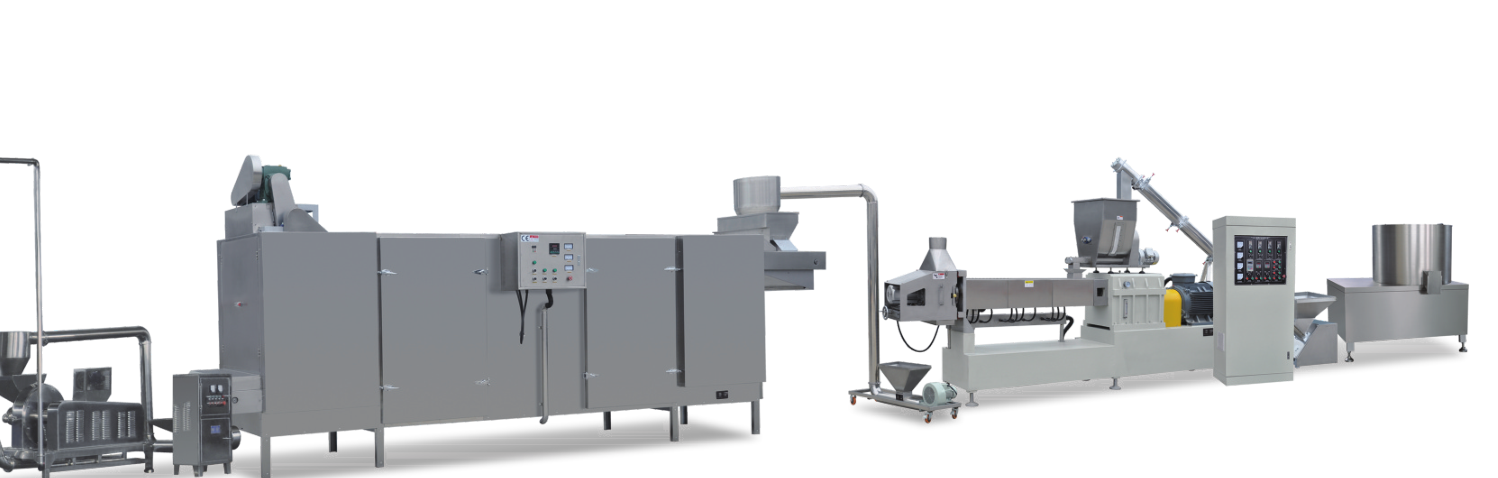
Shifting firing and drying schedules to match off-peak rate periods rarely requires new equipment; it starts with pulling the utility tariff and marking the hours when demand charges drop or time-of-use rates dip. Many plants discover that a kiln can be loaded late in the afternoon, brought through the early low-fire stage overnight, and ramped to peak temperature just as rates climb, cutting energy spend without shortening the cycle.
The same logic applies to dryers, where the warm-up and equalization phases often tolerate some flexibility. Instead of starting a dryer as soon as a batch is ready, hold it until the next low-cost window and use that waiting time for necessary maintenance or staging. Small changes like delaying the start by two hours or adjusting the ramp rate within safe limits can flatten demand charges and reduce the total bill even when total kilowatt-hours stay roughly the same.
Getting this right means treating the schedule as a variable rather than a fixed habit. Review cycle logs against the utility bill each month, and train operators to see start times, ramp rates, and hold periods as levers rather than set points. Over time, the plant builds a playbook of cycle profiles that respect both product quality and the shape of the energy market.
Rework Changeover Routines for Multi-Litter Runs
Changeover work between flocks tends to get forced into a narrow window, and with multi-litter runs the temptation is to treat every turnaround the same. A better routine starts by dividing the house into zones: remove wet or caked litter only where it has actually failed, keep dry crumbly material in place, and run air movement early to pull surface moisture down before any additive or tillage pass. This cuts the time spent hauling material and keeps the litter base biologically stable for the next cycle.
Equipment tasks should follow a fixed order, but the order should come from the last flock’s trouble spots rather than a recycled checklist. If drinker lines caused the most down time, they get serviced first, before cleanout dust settles into regulators. If feeders had repeated bridging, calibration and auger checks happen before final litter levelling. Pulling a short note from the grow-out log and attaching it to the changeover sheet keeps the routine specific to that house.
Crew flow is where most of the lost hours hide. Pre-position replacement parts, tools, and amendment material at the entry end before birds leave, and split the crew so one group handles wet litter while another handles water and feed systems. End the turnaround with a fifteen-minute dry-run: walk each zone as if birds are arriving, checking airflow, drinker height, and litter temperature, then sign off only on what was physically handled, not what was assumed.
Let Real Demand Patterns Drive Line Speed Decisions
Line speed gets set by what actually sells, not by what the calendar suggests. Most teams treat throughput as a fixed target—hit this number by Friday, keep the belt moving, fill the gap. That approach works until the forecast drifts away from what customers are actually pulling. Watching live demand instead of a spreadsheet changes the conversation. Some hours call for a slower, more careful run because the orders are complex or the mix is uneven. Other hours demand full speed because a certain product is disappearing from the shelf. Let the order book set the rhythm and you stop producing waste just to keep the line busy.
This also means line leaders need to feel comfortable changing pace without being told to. If a morning rush clears half the buffer, the afternoon can ease off instead of building more of the same. If a quiet Tuesday suddenly gets a wave of small custom orders, the line can shift to shorter runs and tighter changeovers, even if that hurts the daily output chart. The real metric is not pieces per hour; it is how well the line matches the demand that is actually arriving. When that becomes the habit, overproduction shrinks, overtime drops, and stock stops piling up in the warehouse.
Plain visibility is what makes this possible. Put yesterday’s actual sales next to today’s production plan on the same board. Mark which SKUs are running low at the distribution center and which ones have plenty of cushion. Let the operators see those numbers at the start of the shift, and ask them to make the call when demand shifts. A line that follows real demand instead of a frozen forecast does not need a manager hovering to make every small adjustment. It adjusts itself, because the people closest to the work can see what is moving and what is not.
Treat Dust Control as a Throughput Variable
Dust is rarely just an environmental issue on a processing line. When fine material escapes at a transfer point, it usually means product is leaving the flow, sensors are getting coated, and cleanup crews are spending time that could go toward keeping the circuit running. Treating dust control as a throughput variable shifts the focus away from simply meeting an air quality limit and toward measuring how dust events erode hourly tonnage. A belt running dry on one side, a chute with too much open area, or a crusher discharge that is slightly misaligned can all create enough airborne fines to reduce screening efficiency and force unplanned stops.
The practical side shows up when feed conditions change. A load of damp material may respond well to a certain spray setting, but the next haul with drier fines can turn the same setting into a clogging problem or let dust spike. Operators who watch belt speed, bed depth, and drop height together can adjust moisture or seal gaps before the dust becomes a bottleneck. That is different from adding more suppression equipment after production has already slowed. Dust control then acts like any other adjustable parameter rather than a fixed compliance step.
Putting dust indicators next to availability, feed rate, and maintenance costs on the same shift report changes how decisions get made. A rise in visible dust at a chute often signals a misaligned belt or a buildup that will eventually stop the line. Responding early protects throughput instead of interrupting it. The goal is not spotless air for its own sake, but a stable flow of material with less product loss, fewer cleanup interruptions, and fewer worn components.
Pair Maintenance Schedules With Seasonal Production Peaks
Routine maintenance often gets dropped into calendar slots like early January or mid-summer without much thought to what the line is actually doing. Plants that run on seasonal demand rarely benefit from that approach. A better starting point is to map the real production curve and let maintenance fit into the dips, not the other way around. When the heaviest repair work lands just before a known surge, the equipment enters peak season with fresh seals, calibrated sensors, and fewer mid-run interruptions.
The actual low windows aren't always obvious. A beverage plant might look quiet in late winter, but that's when changeovers for spring product launches happen. In some cold-climate construction material suppliers, the slow season isn't winter—it's late fall after the last pours but before ground freezes. Pulling a few years of output data usually reveals these pockets more clearly than a maintenance calendar created in an office. Once the pockets are identified, major overhauls can be grouped into those weeks while smaller preventive tasks continue on weekends or second shifts.
Making it work depends on maintenance and production planning sharing the same numbers. If a line is expected to run at 90% capacity for six weeks, the maintenance team needs that forecast early enough to pre-order parts and bring in extra technicians. In return, production gets fewer surprises: a compressor replacement can happen in the quiet gap instead of during the busiest order window. The schedule becomes less of a fixed annual checklist and more of a rhythm that moves with demand.
FAQ
Start with changeover time, not just order size. On many cat litter lines, switching between bentonite, tofu, and silica formulas can eat up hours in screen changes, drying adjustments, and dust collection cleanup. Grouping similar granule sizes and moisture levels often saves more capacity than chasing the biggest order first.
Build a rolling demand buffer for fast-moving formulas and keep slower SKUs on a make-to-order rhythm. It helps to reserve one line as a flexible swing line instead of spreading every product across all machines. That way peak months don't force constant teardown and reconfiguration.
Watch changeover duration, first-pass yield after every formula switch, and dust collector pressure drop. Many teams focus on tons per hour, but a fast run that creates rework or extra dust control downtime can wipe out the gain. Tracking fill weight accuracy also prevents costly giveaway on lightweight litters.
Long campaigns work well for standard clay litters if storage space and demand are stable. For specialty products like activated carbon or scented tofu blends, shorter batches reduce the risk of odor cross-contamination and aging issues. The key is to match campaign length to raw material shelf life and cleanout complexity.
Check whether the new formula can share the same sifting mesh, dryer profile, and packaging line without extensive modification. Also test how much residue remains in hoppers and conveyors. A formula that looks profitable can become a bottleneck if every run ends with a half-shift cleanup.
Use sensor trends from motor load, dryer temperature, and fill weights to spot when a line is drifting before it produces off-spec material. That helps schedule maintenance between compatible runs instead of reacting mid-campaign. Real-time dust collector readings are especially useful for scheduling filter cleaning without losing a full shift.
Lightweight litters and clumping formulas often behave differently in bagging equipment, especially at higher speeds. Filling accuracy, dust escape, and seal integrity can slow the line below rated output. Planning should treat packaging as its own capacity constraint and match bag sizes to line capabilities.
Keep at least 10-15% of weekly capacity unassigned for rush orders, raw material delays, or equipment issues. It's also worth maintaining pre-cleaned spare screens and tooling for popular formulas so a switch can happen in one shift instead of two. Flexibility usually comes from preparation, not from squeezing more runtime into the plan.
Conclusion
A cat litter machinery manufacturer suggests that smarter production planning begins with pellet density targets that follow raw material availability, not a fixed recipe. When incoming clay, bentonite, silica, or recycled fiber shifts in moisture or particle size, adjusting compaction and binder levels prevents both weak pellets and wasted additives. The same mindset applies to thermal scheduling. Kiln and dryer cycles can be shifted into lower-cost energy windows, especially overnight or on weekends, even if that means storing semi-dry material for a few hours. For plants running multiple litter types, changeover routines deserve more attention than they usually receive. Pre-staging tooling, grouping similar formulas back-to-back, and preparing additive kits before shutdown can turn an hour-long switch into a fast, predictable procedure.
Line speed should respond to actual order patterns instead of a fixed daily output target. Short, demand-driven batches reduce long warehousing periods that can cause clumping litter to absorb moisture or lightweight pellets to break down under stack pressure. Dust control also functions as a throughput variable. When extraction airflow is undersized, operators tend to slow conveyors and screens to keep airborne fines manageable, so improving cyclone performance or duct balance often restores capacity without additional equipment. Maintenance planning is more effective when aligned with seasonal peaks. Scheduling screen replacements, bearing inspections, and dryer cleaning just before spring and summer demand helps avoid mid-season failures while keeping peak capacity available.
Contact Us
Contact Person: LILY SUN
Email: [email protected]
Tel/WhatsApp: 0086-13969103791
Website: https://www.snackfoodmachinery.com/