

China Berry Wax Manufacturer Secrets to Premium Natural Formulations
2026-11-16
Every jar of natural wax tells a story—one that begins long before it reaches your shelf. Behind the glossy finish of premium formulations lies a quiet truth: sourcing from the right China berry wax manufacturer can mean the difference between a product that simply works and one that truly outperforms. Yet too many brands settle for generic supplies, never unlocking the full potential of their recipes. At XUSHI, decades of behind-the-scenes mastery have rewritten the rules of what berry wax can do. This blog pulls back the curtain on the secrets that turn ordinary blends into standout naturals—no fluff, just the raw edge your formulations have been missing.
How Berry Wax Is Harvested Without Compromising Purity
The process starts long before any fruit is touched. Timing is nudged by subtle shifts in the berry's surface—when the bloom turns from powdery to slightly tacky under the morning dew, it signals that the wax layer is thick enough to yield but still tightly bonded to the skin. Harvesters work in narrow windows, usually just after sunrise, because midday heat can soften the wax and invite impurities. Instead of stripping or scraping, they use soft silicone paddles that lift the film with a rolling motion, leaving the fruit's protective cuticle mostly intact. This way, the berry continues ripening naturally, and the wax arrives at the filtration vat carrying less debris and far fewer broken plant cells.
Temperature control through every step acts as the silent guardian of purity. Cold-chain transport from the field keeps the raw wax firm, preventing it from melding with moisture or dust. In the workshop, gentle warm-air currents—never direct heat—slowly relax the wax just enough to be sifted through a series of micro-perforated screens. What passes through is a pale, fragrant slurry, still flecked with tiny botanical remnants. Those remnants are not viewed as defects but as co-travelers that remind us the wax hasn't been chemically bleached or recklessly refined away from its origin. A final swirl in chilled water separates the pure wax, which floats, from heavier particles that sink—a quiet, gravity-led ritual that demands patience over power.
Perhaps the most overlooked element is the human hand. Experienced eyes scan each batch for color shifts: too green and it might be under-purged; too white and it risks being stripped of its natural esters. Hands stir the separation tanks at a steady rhythm, not to speed things up, but to keep the wax from matting together before it sets. Every decision—when to harvest, how long to cool, which fraction to keep—adds up to a harvest that doesn't just avoid contamination, it respects the material's own internal logic. That’s how purity becomes not a measurement on a spec sheet, but a feeling you can smell and touch when the wax is finally molded into a block.”
The Cold-Press Advantage That Most Manufacturers Overlook
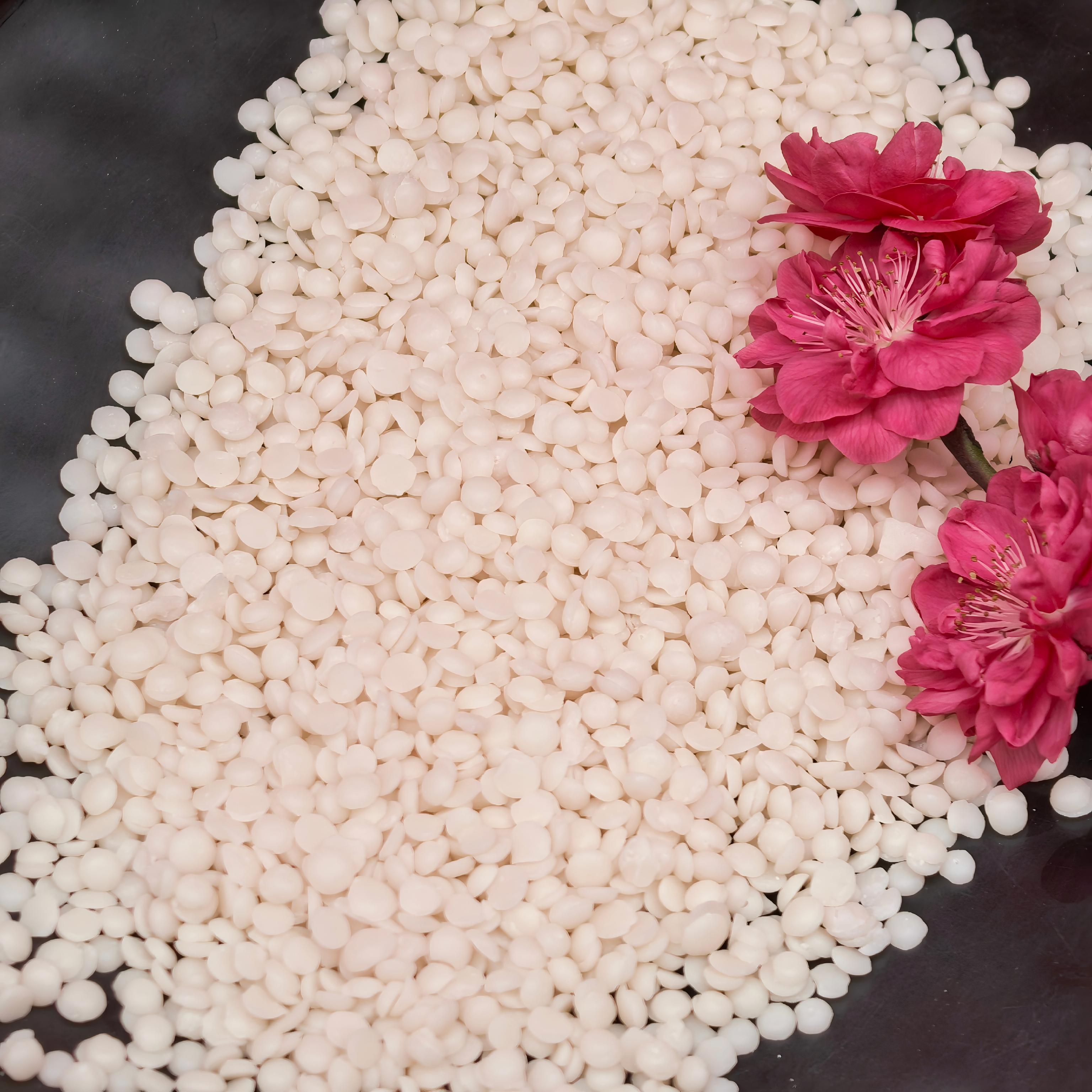
Cold-press juicing isn't just about keeping things raw—it's about what happens when juice is never heated above a certain threshold. While many manufacturers chase faster extraction or higher yields, they miss a fundamental chemical shift: certain plant enzymes and antioxidants degrade quickly once exposed to even mild temperatures generated by high-speed blades. The real advantage lies in preserving polyphenol oxidase inhibitors that would otherwise vanish within minutes. This isn't about labels; it's about the moment a cellular structure stays intact, unlocking compounds your body recognizes and uses immediately rather than filtering out as denatured paste.
What gets lost in translation is oxygen—specifically, how little of it enters the equation during a true cold-press cycle. A slow hydraulic crush doesn't whip air into the liquid, so fragile vitamins don't get chewed up by oxidation before the bottle is even sealed. Most production lines treat air exposure as an afterthought, bleaching flavor and forcing them to compensate with concentrates or natural flavors. But when you eliminate that invisible aggressor at the press stage, you carry a vibrancy through shelf life that no additive can replicate. The staying power isn't about marketing claims; it's cell-level chemistry that quietly separates a flat shelf product from something alive.
There's also a textural nuance manufacturers consistently undervalue. Because a slow masticating press barely disturbs insoluble fiber matrices, the resulting body feels softer, rounder—never gritty or separated. That subtle completeness shifts how a juice mingles with other ingredients in blends or functional shots, letting delicate notes survive instead of being bullied by a centrifuge's aftermath. It's the difference between a formula that merely lists superfoods and one that actually delivers their synergy in a sip. This isn't an incremental upgrade; it's the foundational detail that redefines how a product holds itself together long after it leaves the facility.
Why Raw Material Sourcing Decides Your Final Formula’s Texture
The moment a raw material leaves its source—whether it’s a shea nut from a specific West African region or a seaweed harvested in cold Atlantic waters—it carries a physical fingerprint that directly shapes how a cream spreads, how a serum sinks in, or how a balm melts on skin. These inherent traits, like particle size, lipid profile, and moisture content, aren’t just technical footnotes; they control the slip, the break, and the after-feel that a formulator chases. Change the origin, and you often change that fingerprint enough to turn a velvety lotion into something waxy or pilling.
What gets overlooked is how tightly processing ties back to where a material was grown or harvested. A cold-pressed oil from one cooperative might have a completely different viscosity and wax load compared to the same botanical pressed elsewhere, simply because of soil stress, harvest timing, or elevation. That variance flows straight into the emulsion—altering the way it thickens, how it shears under a homogenizer, and whether it stays stable after five temperature cycles. A formula that sings at lab scale can fail on the production floor if the sourcing isn’t dialed into how those natural inputs behave under mechanical work.
Texture isn’t just built with thickeners and emulsifiers; it’s a result of how every raw ingredient interacts, and those interactions start with the supplier’s choices long before they reach your beaker. A delivery of glycerin with trace humectant byproducts, a starch with a slightly different swelling curve, or a butter stone-ground instead of refined—these small origin details ripple outward, altering everything from phase stability to sensory payoff. The final formula doesn’t lie: it reveals every corner cut or every careful relationship maintained upstream.
Blending Berry Wax with Other Naturals Without Separation
Berry wax brings a lush, pliable texture to balms and salves, but its high melt point often throws a wrench into simple blending. When you pair it with butter-heavy oils like shea or mango, the key isn’t just temperature—it’s timing. Heat both sides separately until the wax is fully molten and the butter reaches a clear, liquid state, then combine them off heat, stirring steadily as the mix begins to cloud. This gradual cooling stops the wax from crystallizing ahead of the softer fats, which is the real culprit behind a grainy or split finish.
Lighter oils such as jojoba or fractionated coconut need extra attention if you’re skipping an emulsifier. Without a binding agent, berry wax can bead up as the mixture cools, especially when you dip below a 1:4 wax-to-oil ratio. Instead of relying on additives, try pre-blending your oil with a tiny amount of lanolin or working at a sustained warm state for a few minutes before pouring. The trick is to let the oil and wax understand each other at a molecular level before they set—rushing straight from heat to the mold is where many formulations fall apart.
If you are layering in essential oils or plant extracts, introduce them only after the base has cooled to a near-trace stage. Volatile compounds can destabilize a delicate wax-oil matrix, pushing solids out of suspension. Stir with a broad spatula instead of a whisk to avoid incorporating air, and pour into slightly pre-warmed containers. This small ritual often makes the difference between a silky, uniform product and one that separates on the shelf after a week.
Common Refining Mistakes That Dull Natural Gloss
Overzealous polishing might feel productive, but it often backfires. The instinct to keep buffing until you see a blinding reflection can actually force micro-abrasives into the clear coat, creating a haze that sits on top like a dull film. What you’re really chasing isn’t relentless friction—it’s a controlled breakdown of the product at a consistent speed. Dropping the machine’s RPM and letting the pad do the work preserves the very gloss you’re trying to amplify.
Another quiet saboteur is working with a loaded pad. When residue builds up and isn’t cleaned or swapped out, you’re no longer refining—you’re smearing broken-down compound and spent clear coat debris back onto the paint. This introduces micro-marring that flattens depth and steals that wet shimmer. A quick spur or a fresh pad midway through a section transforms the final clarity without any change in technique.
Product choice matters more than enthusiasm. Grabbing an aggressive compound for minor wash-induced swirls overcorrects the damage, leaving behind its own heavier hazing that demands yet another step to undo. Matching the cut and the pad to the actual defect severity keeps the surface progressively smoothing rather than ping-ponging between correction and new damage. Sometimes the best way to restore natural gloss is restraint: start lighter, inspect without bias, and let the paint’s feedback guide your next move.
How to Test Compatibility Before Scaling Your Formula
Jumping from a successful bench trial straight into production-scale mixing often hides subtle incompatibilities that can unravel an entire batch. A smarter route is to run a series of small-batch stress tests that mimic the chemical and physical rigors of large-volume processing. Deliberately vary shear rates, hold times, and temperature ramps beyond your typical range, then watch for phase separation, unexpected viscosity shifts, or off-gassing that signal trouble.
Another layer to add is raw material lot-to-lot variation. Source ingredients from different supplier batches and run the same pilot process side by side. Something as minor as a shift in the particle size of a thickener or a change in the impurity profile of a surfactant can quietly erode stability when you multiply volumes. Document the performance boundaries and use those limits to lock in specifications before the first production run.
Finally, accelerate aging on your most promising candidates, but don’t rely on a single condition. Combine elevated temperature cycling with freeze-thaw shocks and controlled light exposure to tease out hidden failure modes. Compare the stressed samples against a freshly made control using rheological measurements, microscopy, or colorimetric readings rather than just visual checks. The goal is to build a compatibility map that tells you not only if your formula scales, but exactly where its practical limits lie.
FAQ
China berry wax comes from the fruit of the Chinese tallow tree, mainly harvested in regions like the Yangtze River Valley. The berries are boiled until the waxy coating separates, then the raw wax is refined through a solvent-free physical filtration process that keeps its natural lipid profile intact.
Unlike petroleum-derived synthetic waxes, it’s inherently biodegradable and compatible with delicate active ingredients like plant oils and butter. It forms a lighter, more breathable film on skin without feeling greasy, and its high melting point adds heat stability to balms and stick products without the need for chemical stabilizers.
A genuine premium manufacturer controls the entire supply chain starting from berry selection, uses cold-press purification instead of solvent extraction, and maintains small-batch traceability. They often invest in proprietary refining techniques that preserve minor compounds like phytosterols, which enhance skin barrier repair, rather than focusing solely on maximum yield.
One effective method is pre-emulsifying the wax with a fraction of the total oil phase at a slightly elevated temperature, then rapidly cooling it while stirring. This creates a stable crystalline matrix that encapsulates oxidation-prone oils like rosehip or evening primrose, extending their shelf life up to 40% longer compared to standard one-pot melting methods.
The natural hue ranges from ivory to buttery yellow, depending on the fruit ripeness and refining depth. If you see stark white wax, it’s usually over-refined with bleaching agents that strip away beneficial compounds. Slight batch-to-batch variation in shade actually indicates minimal chemical interference and a truer, more functional end product.
They combine China berry wax with a small percentage (around 5-7%) of high-ester fruit waxes like sumac or myrica wax. This creates a eutectic mixture that lowers the overall melting point just enough for smooth application, while maintaining a gel-like structure resistant to thermal breakdown, so the balm stays intact even in 45°C heat.
After refining, the wax is vacuum-stripped at temperatures below 80°C to remove residual volatile compounds that carry a faint earthy note. Then they store it in nitrogen-flushed containers to prevent oxidation that can develop off-aromas, allowing formulators to work with delicate natural fragrances like jasmine or citrus without masking.
There’s a growing interest in nano-emulsifying the wax into submicron particles for fast-absorbing serums that still offer durable water resistance. Others are creating biodegradable wax-based active delivery patches and non-greasy sunscreens that maintain SPF film integrity during swimming, all based on the wax’s unique ability to form stable, flexible coatings.
Conclusion
Delivering a truly premium natural formulation starts long before the blending tank. It begins in the remote mountain groves where berry wax is harvested with a singular focus on preserving purity. Instead of harsh solvents or aggressive heat, skilled hands employ gentle mechanical separation and immediate cool storage, trapping the fruit’s innate esters and protective cuticles. This care follows the raw material straight to the press. The cold-press advantage, often rushed or skipped by volume-driven operations, is kept deliberately slow and low-temperature in advanced Chinese facilities. The result is a wax that retains its full fatty acid profile and crystalline structure, yielding a luminous, even spread without the dull after-touch that arises from over-refinement.
Still, exceptional wax is only half the story. How it’s partnered with other naturals defines the final sensory experience. Sourcing teams cross-check soil composition and harvest timing because those variables directly shape a formula’s final glide and firmness. Blending berry wax with butters, oils, or esters then becomes a test of patience: temperature ramps and controlled agitation rates are tuned to arrest separation before it starts. Many manufacturers unknowingly sacrifice natural gloss through shortcuts like excessive filtration or rapid chilling, yet the ones who achieve a lit-from-within luster are those who test early and often. Compatibility trials on a 500-gram scale reveal hidden crystallization trends, so by the time a formula scales, it behaves as a single, coherent substance rather than a fragile mixture. All of this constitutes the real secret—not a single trick, but a chain of quiet, deliberate decisions from orchard to final batch.
Contact Us
Contact Person: Alan Zhu
Email: [email protected]
Tel/WhatsApp: 8613931838766
Website: https://www.cnxushibeeswax.com