

Chinese UVLED Inkjet Printer: The Future of High-Speed, Eco-Friendly Printing
2026-06-01
Step into the future of printing with UVLED inkjet technology—where speed meets sustainability. Traditional methods can’t keep up, but with Danmajet, you’re not just printing; you’re redefining what’s possible. Discover how this eco-friendly powerhouse delivers razor-sharp results at lightning speed, leaving outdated processes in the dust.
UVLED Curing: Speed Without Compromise
Imagine kicking off a print run and watching each sheet emerge fully cured before it even hits the stacker. That’s the reality UVLED brings to the floor—near-instant solidification the moment the light hits the ink. Unlike traditional mercury lamps that need minutes to warm up and stabilize, UVLED systems fire at full intensity in microseconds. There’s no waiting, no wasted heat-up cycles, and definitely no compromise on throughput. Whether you’re running a narrow-web label press at 200 meters per minute or a high-speed sheetfed job, the cure is locked in with zero dwell time and zero smudging.
But it’s not just about raw pace. The beauty of UVLED is that you gain all this speed without sacrificing depth of cure or adhesion. The diodes emit a concentrated, narrow wavelength that’s engineered to match the photoinitiators precisely, driving complete polymerization through even thick ink films and coatings. You don’t need to slow the press to get a solid cure on dark colors or heavy coverage. In fact, many shops find they can push their presses faster than ever before and still pull perfect scratch resistance and gloss right out of the delivery. It’s a game-changer for anyone who’s ever had to choose between making deadline and making quality.
Why Chinese Manufacturers Lead in Eco-Conscious Print Tech
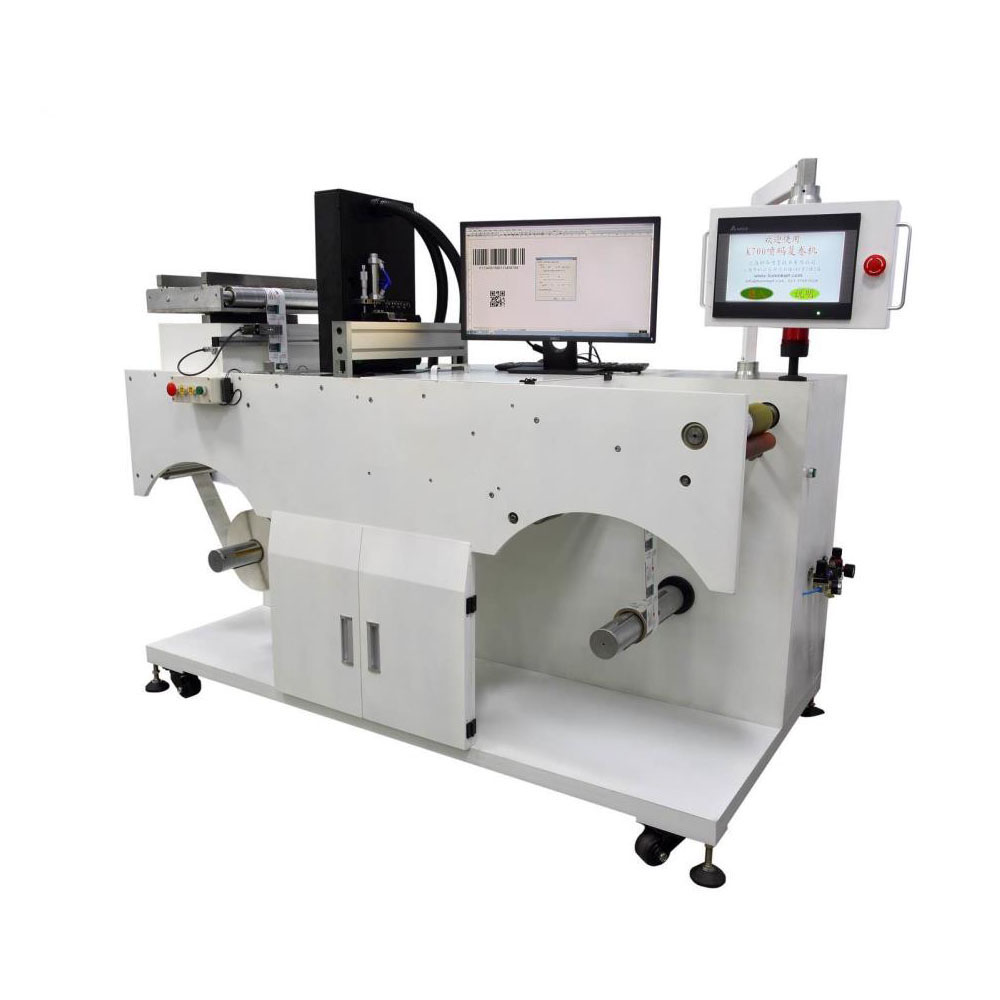
China's print technology sector has pivoted sharply toward sustainability, driven by both regulatory pressures and a genuine industrial strategy to dominate green markets. Instead of merely tweaking older models, manufacturers are engineering printers from the ground up with recycled materials, energy-efficient components, and refillable ink tanks that slash plastic waste. This proactive approach has turned a compliance obligation into a competitive edge, allowing Chinese brands to offer eco-friendly devices at price points that Western counterparts struggle to match.
The supply chain density in the Pearl River Delta gives Chinese firms a unique advantage: access to a clustered ecosystem of component makers specializing in biodegradable plastics and low-power chips. By co-developing custom parts with local suppliers, companies can rapidly prototype and iterate on cleaner print mechanisms—whether it's a cartridge-free laser printer or a thermal inkjet that uses water-based, non-toxic inks. This vertical integration compresses the innovation cycle, enabling swift commercialization of patents that may otherwise languish in overseas labs.
Beyond hardware, the software side reflects a deeper understanding of user habits. Many Chinese manufacturers now embed power management algorithms that learn printing schedules, sending the device into near-zero sleep mode during idle hours without delay on wake-up. They also partner with domestic e-commerce platforms to offer closed-loop recycling for consumables, where returned cartridges are disassembled and remolded—creating a circular economy that resonates with both cost-conscious consumers and enterprises aiming to meet ESG targets.
Inkjet Evolution: From Slow Drying to Instant Results
In the early days of inkjet printing, patience was not just a virtue—it was a requirement. Every printout emerged from the machine with a damp, vulnerable surface that could smudge at the slightest touch. Artists and office workers alike learned to handle fresh prints like wet photographs, laying them flat to dry for minutes or even hours before they could be safely stacked or displayed. The slow drying process wasn't merely an inconvenience; it introduced a nagging uncertainty into any deadline-driven task, forcing users to factor in wait time or risk ruining their work.
The turning point came with a quiet revolution in ink formulation and drying technology. Manufacturers moved beyond simple water-and-dye mixtures, embracing pigment-based inks, UV-curable chemistries, and resin-coated papers that locked color onto the surface almost instantly. Printheads got smarter too, precisely controlling droplet placement and size to minimize bleeding. Suddenly, what once took ages to dry now set in seconds, enabling duplex printing without ghosting and high-speed production runs that kept the images crisp from the first copy to the last.
That leap to instant results reshaped entire workflows. Graphic designers could proof test prints and make on-the-fly adjustments without breaking stride. Home users found that glossy photos emerged trayside ready to frame. Even industrial applications—from textile markings to packaging—gained the confidence to run continuous, smudge-free operations. The evolution from slow drying to instant results wasn't just about saving time; it flipped inkjet printing from a craft that demanded caution into a reliable, push-button tool that performs at the speed of thought.
Breaking Down the Energy Savings of UVLED Printing
UVLED printing technology replaces traditional heat-based drying methods with a cold curing process that consumes a fraction of the energy. When you fire up a UVLED system, the light-emitting diodes instantly convert electricity into ultraviolet light without the wasteful warm-up or standby phases of mercury arc lamps. This direct energy transfer means nearly all the input power goes straight into curing ink, not heating the air or the machine itself.
Older systems often run continuously at high temperatures just to be ready for the next job, bleeding electricity even when nothing is printing. UVLEDs, on the other hand, switch on only when needed and deliver full intensity immediately. That on‑demand behavior, combined with drastically lower thermal output, slashes power bills and reduces strain on facility air conditioning. Operators see the difference not just in kilowatt‑hours but in quieter, cooler pressrooms that don’t require heavy-duty exhaust systems.
Beyond the immediate electrical savings, the absence of heat broadens the range of substrates you can print on—thin films, heat-sensitive plastics, and recycled materials all become viable without warping or damage. This eliminates the energy burden of rework and waste, making the entire production line leaner. Over the life of the equipment, the cumulative savings from reduced power draw, less scrap, and simpler climate control can rival the initial investment in UVLED technology itself.
Printing Across Materials: The Hidden Flexibility of UVLED
UVLED curing has quietly reshaped what’s possible in commercial and industrial printing, largely because it sidesteps the heat-related hurdles of older drying methods. Instead of baking ink onto a surface with intense warmth, ultraviolet light triggers an instant chemical reaction that hardens the coating or ink without warping delicate substrates. This opens the door to a surprising range of materials—thin plastic films, heat-sensitive vinyl, recycled boards, even glass and metal—that would curl, bubble, or scorch under traditional lamps. The real advantage isn’t just speed; it’s the ability to print on items that once demanded costly pre-treatment or simply weren’t viable at all.
What often gets overlooked is how this cold curing process keeps the material’s surface character intact. On uncoated papers, the ink sits cleanly on top without bleeding into the fibers, preserving that soft, tactile feel many designers chase. With rigid plastics or acrylics, there’s no static buildup or film distortion, so registration stays tight across the run. Even porous substrates like wood and fabric take crisp detail without ghosting, because the UV light locks the ink in place before it has a chance to spread. It’s a quiet kind of versatility—one that doesn’t announce itself, but shows up in the everyday objects that get printed without a second thought.
Perhaps the most practical upside is how UVLED slashes the need for multiple setups or specialty machines. A single press can shift from vinyl stickers in the morning to metallic panels by lunch, without swapping out bulbs or waiting for temperatures to stabilize. Adhesion tends to be reliable across the board, which means fewer rejected batches and less tinkering with formulations. For small print houses and large manufacturers alike, that translates into less downtime and more room to say “yes” to oddball jobs. It’s not magic—just a smarter way to apply and cure that quietly expands the definition of a printable surface.
What’s Next: Trends Shaping the UVLED Inkjet Market
UVLED inkjet technology is branching out in unexpected ways. Instead of just chasing faster print speeds, manufacturers are now honing in on niche applications that demand precision and adaptability. Think direct-to-shape printing on curved surfaces, or high-opacity whites for textured packaging that feels as good as it looks. The real momentum is in making these advanced capabilities practical for short-run production, where digital flexibility finally outshines traditional analog methods without breaking the bank.
Another quiet shift is the growing emphasis on material science. Ink formulators are pushing past the usual boundaries, developing inks that bond securely to challenging substrates like untreated films, glass, and even some metals. This eliminates extra pre-treatment steps and opens doors to markets that were once off-limits. Alongside this, the push for sustainability is reshaping buyer expectations: brands are demanding low-migration inks and energy-efficient curing that aligns with stricter environmental regulations, all while maintaining the vibrant, durable output they rely on.
Perhaps the most overlooked trend is the integration of UVLED printers into broader digital workflows. Printers are no longer standalone boxes; they’re becoming data-driven nodes in automated production lines. Real-time color management, on-the-fly variable data printing, and seamless connection to web-to-print ordering systems are turning these machines into tools for mass customization, not just decoration. The next wave isn’t about reinventing the printhead—it’s about turning the printer into a responsive, connected platform that small and large businesses alike can use to react to market demands in days, not weeks.
FAQ
Chinese UVLED inkjet printers combine advanced curing technology with robust build quality, offering instant drying and sharp prints on diverse substrates. Their integration of energy-efficient LED arrays and precise ink placement sets them apart from conventional systems.
By using UV-curable inks that release almost no volatile organic compounds and consuming less power than traditional heat-based dryers, these printers significantly reduce environmental impact. Instant curing also cuts down on waste from smudges or reprints.
Absolutely. The instant curing process eliminates drying wait times, allowing continuous high-speed output without sacrificing detail. Many models achieve impressive throughput, making them ideal for busy print shops and industrial applications.
The technology adheres well to rigid and flexible media alike, including glass, metal, acrylic, wood, leather, and various plastics. This versatility opens up creative applications in signage, packaging, décor, and personalized goods.
Yes, they often deliver a lower upfront investment and competitive running costs compared to many Western counterparts. Reduced energy use and minimal maintenance needs also help small shops keep operational expenses in check while accessing professional-grade results.
UVLED produces vibrant, crisp images with excellent color saturation and sharpness. The instant cure prevents dot gain and blotting, yielding consistent output that rivals or exceeds screen printing and solvent inkjet on many materials.
Routine tasks include keeping the LED array and print heads clean, periodically checking ink lines, and using the printer regularly to prevent clogging. Overall maintenance is simpler than with solvent systems, thanks to the stable UV inks.
Chinese companies have pioneered compact designs, improved wavelength control for deeper curing, and smart features like automatic head height adjustment and integrated RIP software. These advances make the technology more accessible and efficient for global users.
Conclusion
The shift toward UVLED inkjet printing in China marks more than a technological upgrade—it’s a complete rethinking of what production speed and environmental responsibility can mean together. UVLED curing eliminates the lingering wait associated with traditional drying, delivering prints that emerge from the machine instantly ready for finishing or shipment. This isn’t just a minor efficiency bump; it transforms turnaround times from days to hours, even on demanding industrial runs. Chinese manufacturers have been particularly aggressive in refining this approach, pairing robust hardware with energy-conscious engineering that slashes power consumption while maintaining relentless output. That focus on practical, measurable sustainability—less electricity, fewer volatile organic compounds—has quietly positioned these machines as a go-to for print businesses navigating tighter environmental regulations and rising operational costs.
What truly sets the latest Chinese UVLED inkjet models apart is the breadth of materials they handle without breaking stride. Rigid panels, flexible films, textured substrates—the curing process remains consistent, opening creative and commercial doors that older inkjet tech simply couldn’t unlock. This versatility, combined with a steady stream of refinement in ink chemistry and lamp life, points to a market less concerned with incremental improvement and more focused on redefining durability and application scope. As demand grows for shorter runs and customized output, the next wave of innovation is likely to revolve around smarter automation and even lower heat output, extending UVLED’s reach into heat-sensitive substrates that were once off-limits. The result is a printing ecosystem that feels less like a compromise and more like a leap forward—quietly reshaping expectations around speed, material freedom, and ecological impact without asking users to trade one for the other.
Contact Us
Contact Person: Jacky
Email: [email protected]
Tel/WhatsApp: 086 15000607053
Website: https://www.danmajet.com