

CI Flexo Printing Machine Exporter Tips for Building a Reliable Flexographic Packaging Line
2026-11-22
A dependable flexographic packaging line is rarely the result of a single machine purchase. The real difference comes from setup, tension control, drying, and maintenance choices that many converters only notice after a CI flexo printing machine starts underperforming. HuiPeng draws on exporter-side experience to highlight those easily missed weak points before they become costly downtime.
Questions a CI Press Exporter Should Be Able to Answer
A dependable CI press exporter should quickly clarify where the underlying coverage originates and how often feeds are refreshed. That means naming the source mix, the update cadence, and whether paywalled or region-locked outlets are included or silently dropped.
The next practical question is about filtering and noise control. Ask how the exporter handles deduplication, entity matching, and false positives across different languages, because raw volume alone rarely improves a monitoring workflow.
Finally, it should be able to explain what happens after export: which formats and APIs are supported, how permissions are preserved, and whether audit trails or annotations survive the transfer. If those answers are vague, downstream teams will spend more time repairing the output than acting on it.
Build the Anilox and Sleeve Mix Around Real Orders
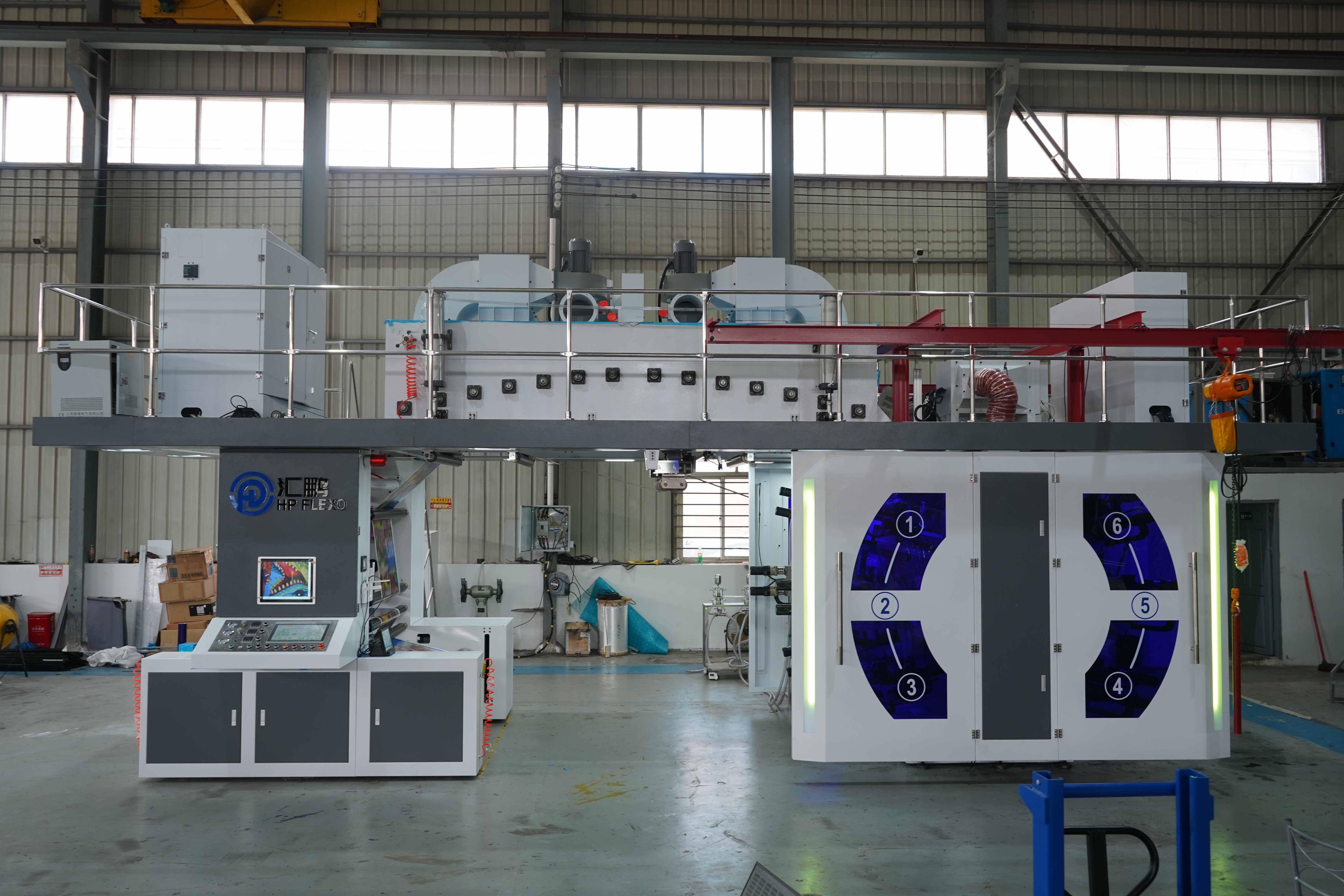
Start with what has already run through the pressroom, not with what a catalog says should be on the shelf. Pull the last twelve months of live job tickets and sort them by repeat length, substrate, line screen, and ink type. Patterns usually surface fast: a handful of combinations handle the steady work, while the rest sit idle or get forced into service only when a schedule slips.
Let those repeat combinations anchor the mix. Build depth around anilox volumes and sleeve repeats that show up week after week, and keep a ready spare for each one. For occasional jobs, look for adjacent options that can be adjusted with pressure, tape, or ink strength rather than adding more dedicated rolls that rarely turn. The goal is coverage that follows the order board, not a theoretical range.
Revisit the mix whenever the customer base or product mix changes. A new substrate, a shift toward longer runs, or a different plate durometer can quietly make a previously rare combination part of the weekly routine. Tying the inventory to real orders keeps the shelf lean without leaving the press waiting.
Dryers and Tension Zones Have to Work Together on Film
On a coating line, the dryer and the tension zones are often tuned separately, but film quality falls apart the moment they drift out of sync. A dryer that pulls too much heat or airflow into one section can shrink the web unevenly, while a tension zone set too aggressively upstream simply locks that distortion into the substrate. The real work happens when both systems are adjusted as a single moving balance: heat input softens the film just enough for the tension rollers to guide it without stretching or wrinkling.
Operators typically notice the mismatch too late, when edge curl or baggy centers show up at the winder. The fix is rarely a single setpoint change. It means walking the line and feeling how the web enters each dryer zone, then checking whether the tension readout actually matches what the film is doing. A slight drop in tension right after a high-heat section can let the web relax before it hits the next nip, preventing the permanent deformation that shows up as gauge bands or camber.
What separates a stable run from a frustrating one is how the dryer profile and the tension gradient are planned together from the start. For thinner films, lowering tension while increasing drying capacity in the first third of the oven keeps the material from necking down. For heavier gauges, a short hold-back zone before the final drying stage gives the film a chance to set its width before it gets pulled into the cooling rollers. Small adjustments like these matter more than chasing perfect zone temperatures, because film remembers every tug and every hot spot along the way.
Doctor Blade Pressure Is a Margin Leak Most Teams Ignore
Blade pressure is one of those settings that rarely gets questioned if the press is running. An operator leans on past habit, adds a touch more pressure to the blade holder, and walks away. That small over-adjustment doesn't stop production, but it starts shaving life off the blade tip and the anilox surface every time the roll turns.
What makes it a margin leak is how the cost hides. You won't see it on a daily report as a single line item. It appears as blades changed two days sooner, a worn roll that should have lasted another year, or a job that needs extra color adjustments because the ink film shifted halfway through the run. The press keeps making output, so the connection between pressure and lost profit never gets made.
Crews that treat blade pressure as a number, not a feeling, tend to find the leak quickly. They back the load down until a faint haze appears on the anilox, then bump it just enough to clear the surface. That setting gets recorded by blade type and roll line count. The result is usually fewer blade changes, less roll scoring, and less substrate thrown away when color drifts.
Inspect the Frame and Bearings Like a Rebuild Shop Would
A real rebuild shop starts by checking how the frame sits on a flat surface. Run a straightedge along the main rails and look for gaps, twists, or signs the metal has been pulled. Pay attention to the motor mount tabs, shock towers, and steering stops—small bends there throw off the whole feel and quickly wear out bearings.
Next, pull the bearings out and spin each one by hand. A good bearing rolls smooth and quiet; any notch, rumble, or sideways play means it is already done. Clean the bearing seats with a light solvent and inspect the races for fretting or discoloration. If a new bearing drops in with zero effort, the housing is stretched and needs to be addressed.
Finish by checking the steering stem and swingarm pivot the same way. Hold the parts at the actual mounting points, not just the ends, and feel for movement that only shows up under load. That is the difference between a quick visual check and actually knowing what the bike will do at speed.
Defect Recognition Matters More Than Control Panel Familiarity
An operator can move through every control panel menu without hesitation and still overlook a hairline crack, a faint color shift, or a surface texture that quietly ruins the batch. Knowing the controls keeps the line moving; it does not teach anyone what a failing part actually looks like after the machine has finished its work.
The person who catches the most problems is rarely the one who memorized the button layout first. It is the one who learned to read the product itself: how a good weld settles, how coating gathers in a corner, how a slight change in tone points to improper curing. That judgment comes from sorting through rejects and borderline samples, not from flipping through interface screens.
When training time is tight, it makes more sense to drill people on real defect examples than on panel navigation. The panel becomes familiar through daily use anyway, but telling the difference between acceptable variation and a genuine fault takes deliberate exposure and practice.
FAQ
Start with the substrate range and repeat length capabilities. A press that cannot handle the film, paper, or board you plan to run will create bottlenecks later, no matter how many color decks it has.
It often decides whether the line can sustain higher speeds without solvent retention or blocking. Interstation dryers and the main tunnel need enough airflow and temperature control for water-based or solvent inks.
The CI drum controls registration stability and web tension. A well-machined drum with precise temperature management keeps fine screens and tight register consistent across long runs.
A dependable exporter helps with installation planning, operator training, spare parts forecasting, and local service contacts. That support prevents small issues from turning into weeks of downtime.
Not always. Automation makes sense for fast changeovers and repeat jobs, but if the operation has short runs with frequent substrate changes, semi-automatic features and simpler controls may be easier to maintain.
Undersizing the ink supply, viscosity control, or web cleaning systems. The press may run well on day one, but inconsistent ink conditions and dirty webs gradually reduce print quality.
Ask for reference visits and sample runs on similar materials. A supplier that only offers a showroom demonstration may not reveal how the press behaves under production loads and local conditions.
Daily checks of doctor blade chambers, anilox condition, and dryer filters matter more than occasional major servicing. Most print defects trace back to worn blades, clogged anilox cells, or uneven airflow.
Conclusion
A flexographic packaging line rarely fails because one major component was wrong; it fails because several small decisions were made without reference to the real job mix. Before quoting a CI press, an exporter should be able to answer sharp questions about repeat length range, substrate behavior, ink volumes, and changeover frequency, not just list machine speed. The anilox and sleeve inventory needs to be built around actual orders already in the pipeline. Buying a wide range of line counts and repeats sounds safe, but it often leaves converters paying for tooling they rarely use while missing the one sleeve set that would carry the next three months of production. On film, dryers and tension zones have to be treated as one system. A dryer that delivers plenty of heat will not help if tension spikes stretch the web before it reaches the next station, and a stable tension profile will not hide insufficient airflow at higher speeds.
The smaller running adjustments are where margin leaks quietly appear. Doctor blade pressure is a good example: too much pressure wears blades and anilox surfaces quickly, while too little leaves poor wipe and forces operators to chase ink density. This should be set as a measurable range, not a feel-based habit. Frame and bearing inspections also deserve the same attention a rebuild shop would give them, because a slightly worn bearing or a loose frame connection can show up as register drift that no control system will fully correct. Operators who can quickly read dot bridging, ghosting, or pinholing and connect those defects to the right variable will keep the line far more reliable than operators who only know where buttons are on a control panel. Exporter support should therefore focus on that diagnostic skill rather than basic interface training.
Contact Us
Contact Person: Isaias
Email: [email protected]
Tel/WhatsApp: 86-13868693129
Website: https://www.hpflexo.com/