

Cyclopentasiloxane Alternative Manufacturers Leading the Shift to Silicone-Free Beauty
2026-11-28
Silicone-free beauty used to come with an unspoken trade-off: lighter textures, but less slip; cleaner labels, but faster wear. That compromise is starting to disappear. A new group of cyclopentasiloxane alternative manufacturers is moving beyond simple ingredient swaps and rethinking how replacement materials actually perform, and SQ Materials is right in the middle of that shift. This piece looks at the manufacturers leading the change, why not all silicone alternatives are equal, and what formulators should watch next.
Rethinking the Silicone-Free Supply Chain
The shift toward silicone-free formulations has mostly been framed as a raw material swap, but the deeper challenge sits further upstream. When a brand removes dimethicone or cyclopentasiloxane from a product, the effects ripple across supplier contracts, batch testing, and even the way emulsifiers behave under different humidity levels. Many manufacturers discover too late that their existing mixing equipment and stability protocols were quietly optimized for silicone’s forgiving rheology. Rethinking this supply chain means treating silicone-free development not as an ingredient replacement, but as a process redesign that starts with how raw materials are sourced, stored, and verified.
A practical bottleneck appears in the qualification of alternatives. Plant-derived esters, squalane, or hemisqualane can deliver similar slip and spreadability, yet their purity profiles and oxidation behavior vary far more between harvests and suppliers. Without silicone’s predictable inertness, quality control teams often find themselves chasing batch-to-batch drift in viscosity or scent. That forces a different kind of supplier relationship: fewer one-off transactions, more joint stability trials, and shared data on how a particular ester performs across temperature cycles. The brands that adapt fastest are usually the ones willing to shrink their approved vendor list and invest in longer pilot runs rather than rushing to market with a hurried reformulation.
Packaging and filling lines also carry hidden assumptions about silicone. Airless pumps, dropper tips, and tube orifices were frequently tuned for the low surface tension and easy flow of silicone-heavy emulsions. A silicone-free formula with a higher natural oil content may clog finer openings or separate in the neck of a bottle during shipping. Addressing that requires early collaboration between formulators and packaging engineers, something many project timelines still treat as an afterthought. Ultimately, rethinking the silicone-free supply chain is less about finding a single hero ingredient and more about rebuilding the connective tissue between sourcing, formulation, and filling so the final product stays stable without relying on the old silicone crutch.
How Formulators Are Replacing That Silky Feel
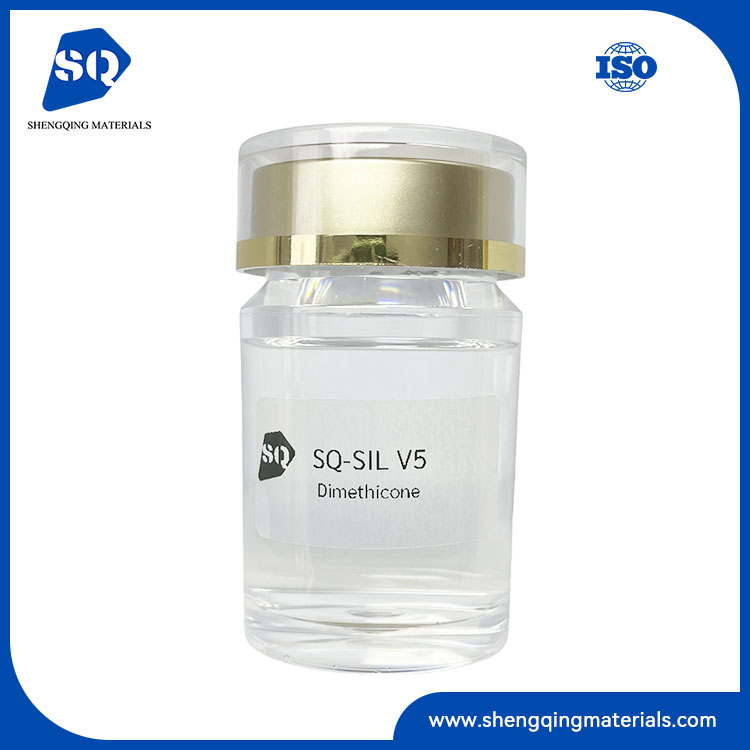
Dimethicone taught formulators what a silky finish should feel like, but a growing number of labs are now chasing that sensation through oil-phase engineering rather than a single drop-in replacement. Blends of lightweight esters, squalane, and carefully chosen plant oils are being layered to mimic the way silicones spread and then disappear, leaving behind a soft rather than greasy film.
Texture powders do some of the quiet work. Modified starches and micronized boron nitride can shift a formula from tacky to satiny in seconds, and their real value often lies in particle size distribution and surface treatment. A well-chosen powder lets a simple emulsion glide across skin like a much heavier serum, without dragging or pilling.
Some suppliers now offer pre-blended silicone replacements, but experienced formulators still rely on sensory panels and rheology tests to fine-tune the finish. The aim is rarely a strict silicone-free label claim; it is to make the switch invisible to the person applying it, so the texture feels familiar while the ingredient list has quietly moved on.
Inside the Labs Behind Lightweight Emollient Blends
A bench trial starts with a deceptively simple question: how thin can this feel before it stops protecting? The team tacks spreadability curves to the fume hood and marks off failures in grease pencil. Most light emollients are too eager; they flash off or sink without leaving any cushion. The ones we keep are the slower movers that still read as nothing on the skin.
Small formula edits matter more than the base blend. A drop in total ester content, a swap to a lower-viscosity silicone, or a half-percent addition of a dry-finish oil changes the collapse point and the after-feel at the same time. Stability cabinets pull apart those gains overnight. If a batch clouds at 4°C, it goes back to the bench, no matter how good it felt on the back of a hand.
Panel feedback is where lightweight stops being an abstraction. People notice waxiness after a phone call or tightness after a walk through air conditioning, details no instrument captures. Those comments send us back to the raw material shelf, not to the marketing brief. The final version is rarely the one we expected to pour into the jar.
Where Circular Sourcing Meets Hair Slip and Shine
The best hair days often come from ingredients that were never meant to go to waste. By pulling surplus botanicals, cold-pressed oils, and upcycled fruit extracts back into the formulation loop, each wash becomes a small act of recovery. Instead of relying on virgin crops alone, these formulas let discarded materials do the heavy lifting, turning what would have been left behind into a slick, glass-like finish.
That shift changes how the product feels, too. Hair slip comes easier when lightweight plant-derived emollients coat each strand without dragging it down, while shine builds from the inside of the fiber rather than sitting on top as a mask. Because the sourcing model is circular, the ingredient list stays tight and intentional, leaving out the filler and keeping the focus on movement and reflection.
The result is a routine that feels less extractive and more like a closed loop: what the industry once overlooked now smooths the cuticle, softens the lengths, and adds that clean, lit-from-within gleam. It is not just about better hair today, but about choosing materials that keep their value long after the bottle leaves the shelf.
The New Crop of Bio-Based Volatile Alternatives
While petrochemical solvents still dominate many industrial formulas, a quieter shift is happening in the fields where new cultivars of sweet orange, loblolly pine, and high-terpene mint are bred specifically for their volatile fractions. These are not the commodity crops of yesterday; they are selected for narrow distillation cuts, higher yields of limonene, pinene, or linalyl acetate, and resistance to pests that would otherwise alter the oil profile. The resulting materials flow into degreasers, paint thinners, fragrance carriers, and extraction solvents where a renewable carbon backbone no longer means accepting erratic performance.
The real difference shows up in blending rooms rather than in marketing claims. A bio-based volatile rarely drops into a formula as a one-for-one replacement, so chemists work with evaporation curves, Hansen solubility parameters, and flash points instead of assuming parity with toluene or methyl ethyl ketone. Some of the newer crop-derived esters and terpenes flash too low for hot-coating lines, while others hold a wet edge longer than their petroleum counterparts, forcing adjustments in co-solvent ratios and application windows. That kind of detail rarely appears on a datasheet, but it is where the adoption decision actually happens.
Supply consistency remains the quieter bottleneck. Rain timing, soil sulfur, and harvest maturity shift the ratio of minor terpenes by a few percentage points, which can be enough to change dry times or odor perception in a finished product. Growers and extractors are responding with tighter harvest windows, field-level near-infrared sorting, and molecular distillation that strips out reactive aldehydes before shipment. The result is a crop-based volatile supply that behaves less like an agricultural commodity and more like a specialty chemical, though it still carries the fingerprints of weather and soil.
What Buyers Should Ask Before Switching Suppliers
Before you cut ties with a current vendor, ask how the new one handles raw material shortages or freight delays. A supplier can look great during a routine quote, but the real test comes when a container gets stuck or a batch fails inspection. Request two or three concrete examples of recent disruptions and how they kept production moving for other clients.
Also dig into who actually owns the relationship after the switch. Will you get a dedicated account person, or will your orders bounce through a general inbox? Ask about average response time for order changes, minimum reorder windows, and what happens if a shipment arrives damaged. These details rarely show up on a spec sheet, but they decide whether the switch saves you time or drains it.
Finally, compare the hidden exit costs. The incoming supplier may require new tooling, longer payment terms, or a trial period with smaller volume. Get those numbers in writing before you sign, and ask existing customers if the quoted lead times held up in practice. A lower unit price means little if the first three months come with delays, rework, or surprise fees.
FAQ
Its poor biodegradation profile and the growing list of regional restrictions have made it a liability for brands with global distribution. Many formulators are switching before regulations force their hand.
Coco-caprylate/caprate, isoamyl laurate, hemisqualane, and hydrogenated polydecene are frequent choices. They mimic the light slip and quick evaporation of cyclopentasiloxane while offering cleaner environmental profiles.
They get close, but not identical. The initial glide can be very similar, while the dry-down may feel slightly less velvety. Blending a fast-spreading ester with a touch of squalane or a volatile alkane often closes that gap.
Consistency across batches, sensory panel results, compatibility with anhydrous systems, and updated biodegradability or ecotoxicity data. A lower price does not mean much if the ingredient destabilizes the formula.
Not always. Some are derived from petrochemicals or have land-use concerns from palm feedstock. The meaningful shift is toward materials with verified lower aquatic toxicity and better end-of-life behavior, not just a silicone-free label.
Large suppliers such as BASF, Croda, and Clariant continue to widen their ester and plant-based emollient lines. Smaller specialty producers are also pushing fermentation-derived squalane and biodegradable alkane blends that target direct sensory parity.
Color cosmetics can lose wear time or pigment dispersion, and cost per kilo often rises. Reformulation is rarely a one-for-one swap; it usually requires tuning thickeners, powders, and film formers to preserve the original texture.
Conclusion
The move away from cyclopentasiloxane has pushed manufacturers well beyond simple drop-in swaps. Supply chain teams now compare evaporation curves, flash points, and how a candidate behaves in anhydrous versus emulsified systems before it ever reaches a stability chamber. Formulators are rebuilding that fleeting silky feel with layered lightweight esters, branched alkanes, and plant-derived emollients that spread quickly but do not leave the heavy residue associated with older natural oils. Inside application labs, the work is less about replacing one molecule and more about tuning the initial slip, dry-down, and pigment wetting of a full blend. This closer look at sensorial performance is changing supplier conversations, with many manufacturers offering pre-blended systems and comparative rheology data to help brands avoid costly reformulation cycles.
At the same time, sourcing strategies are becoming less linear. Fermentation byproducts, sugar-derived isoalkanes, and upcycled botanical fractions are being positioned as renewable volatile carriers, and circular sourcing is now part of the same conversation as hair slip and gloss. Hair formulators evaluate these materials for how evenly they spread along the cuticle, how they support shine without collapsing volume, and whether they resist buildup across repeated washes. Buyers, in turn, are asking sharper questions before switching suppliers: requesting volatility data, traceability documentation, and stability results under varied pH and temperature rather than relying on a silicone-free label alone. Suppliers that provide comparative performance panels and small-scale transition kits are easing adoption, and that practical evidence is quietly resetting what the market expects from a modern alternative.
Contact Us
Contact Person: Vincent Tian
Email: [email protected]
Tel/WhatsApp: 020-3180 1834
Website: https://www.shengqingmaterials.com