

Distribution Box Selection: Which One is Best for You?
2026-08-04
Electrical systems demand more than just power—they need protection, reliability, and the right backbone to keep everything running smoothly. That’s where a distribution box comes in, yet picking the perfect one can feel like navigating a maze of technical specs. Overwhelmed by the choices? You’re not alone. From load capacity to enclosure type, every detail matters. At Chang Song, we've spent years refining designs that don’t just meet standards—they anticipate real-world challenges. Let’s strip away the confusion and explore what truly separates a mediocre box from a lasting investment.
What Exactly Does a Distribution Box Do?
At its core, a distribution box takes the main power feed coming into a building and splits it into smaller, manageable circuits. Think of it as a traffic controller for electricity—it directs where the power goes, how much each area gets, and prevents overloads by safely routing excess current to the ground. Without it, you'd have a single, dangerously overloaded line trying to do everything at once.
Inside the box, you'll find breakers or fuses arranged in neat rows, each dedicated to a specific zone or appliance. When a fault occurs—say, a short circuit in your kitchen—the corresponding breaker trips, cutting power to that circuit only. This targeted response keeps the rest of the house running while protecting the wiring from damage that could lead to fires. It's a silent, self‑contained safety net that operates around the clock.
Modern distribution boxes do more than just split power. They often include ground‑fault protection and arc‑fault detection, catching subtle electrical leaks and sparking before they become hazards. Some even come with surge protection, shielding your electronics from voltage spikes. In commercial settings, they manage three‑phase power, balancing loads across heavy machinery while keeping everything accessible for maintenance and expansion.
The Different Types of Distribution Boxes on the Market
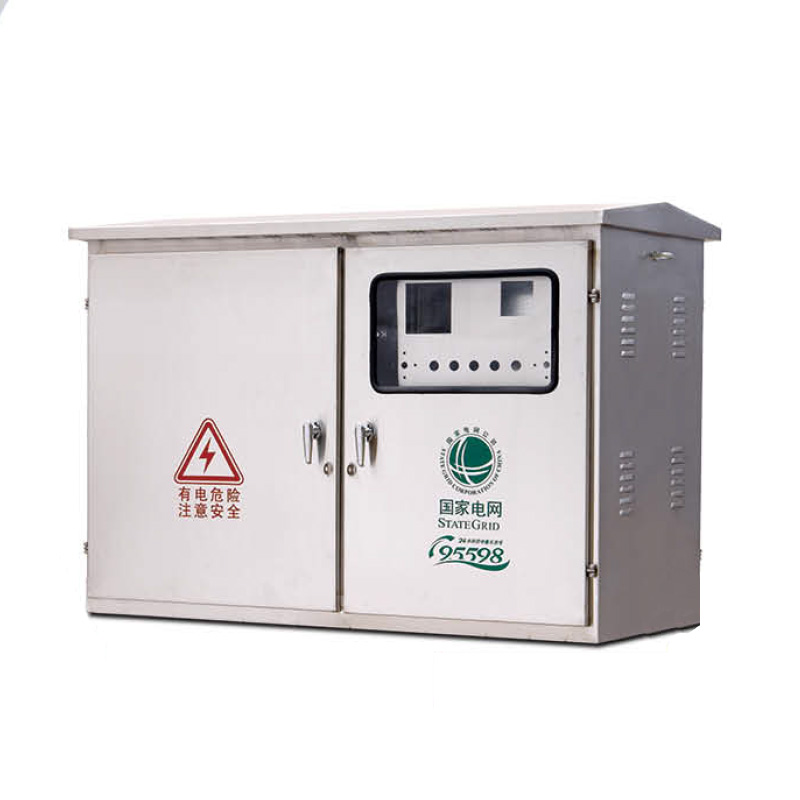
Walking through any electrical supply aisle, you'll quickly notice that distribution boxes come in a variety of shapes and configurations, each tailored to specific needs. The most familiar is the main breaker panel, often tucked away in a utility room or garage, serving as the central hub for an entire building's power. These panels house a main disconnect and a series of circuit breakers that branch out to lights, outlets, and appliances. While they seem standard, subtle differences—like plug-on neutral bars, copper bus bars versus aluminum, or outdoor-rated enclosures—can dramatically affect installation ease and long-term reliability.
Venture a bit further, and you'll encounter sub-panels, which act as satellite units fed from the main panel. These are popular in additions, workshops, or detached structures because they reduce voltage drop and allow local circuit control without running dozens of individual wires back to the main box. Another category, load centers, are essentially compact main panels designed for residential or light commercial use, often pre-assembled with a specific number of breaker slots. What sets them apart is the mix of bolt-on versus plug-in breaker styles and whether they're designed for flush or surface mounting—choices that can make or break a renovation timeline.
Then there are the specialized enclosures that don't always look like traditional panels. Meter-main combinations merge the utility meter socket and a small distribution section into one enclosure, streamlining the service entrance. On the industrial side, you'll find enclosed circuit breakers and fusible disconnect boxes that handle heavy machinery, often with visible blade switches for safety lockouts. Even within these categories, variations in NEMA enclosure ratings determine whether a box can shrug offrain, dust, or corrosive environments. Recognizing these distinctions helps avoid the costly mistake of putting an indoor-only panel where it will face the elements.
Why Material and Build Quality Matter
The longevity of any product starts with what it's made of. Premium materials like aircraft-grade aluminum, genuine leather, or high-density polymer aren't chosen just for looks—they withstand daily wear without creaking, fading, or peeling. When a device feels solid in your hands and maintains its finish after months of use, it's not by accident. It's the result of deliberate engineering that prioritizes resilience over shortcuts.
Build quality extends far beyond initial impressions. Tight tolerances prevent dust and moisture from creeping into sensitive internals, while reinforced stress points ensure hinges, ports, and buttons stay reliable over thousands of cycles. A well-constructed item distributes impact forces evenly, protecting what's inside even when you accidentally knock it against a table or drop it from pocket height.
Ultimately, the materials and construction define how the product feels in your daily life—the subtle texture that improves grip, the weight that signals substance without being cumbersome, the silent confidence that it won't let you down mid-task. This isn't about luxury; it's about crafting a tool that disappears into use, so you can focus on what matters instead of babysitting fragile gear.
Matching the Box to Your Electrical Load
Getting the right match between your electrical panel and the actual load demand is more art than most people think. You can't just grab any box off the shelf and expect it to handle everything safely. Start by taking a realistic inventory of every appliance, light, and outlet that will be running—not just what’s on paper, but what you actually use at peak times. Overlook a power-hungry workshop tool or that second refrigerator in the garage, and you'll be chasing tripped breakers before long.
Once you have a clear picture of your total load, give yourself breathing room. A panel running right at its limit is a headache waiting to happen. Adding 20–25% spare capacity to your calculated demand means you won't have to sweat when you plug in a seasonal heater or finally install that air conditioner you've been talking about for years. It's a simple buffer that keeps your system cooler, extends component life, and leaves your options open without a future panel swap.
Don't forget that local codes and the physical space matter just as much as the math. Some boxes are rated for certain environments or mounting styles, and ignoring that can cause inspection failures or real safety hazards. If you're unsure, walk through the job with an experienced electrician who can spot things a basic calculation might miss—like motor startup surges or circuits that shouldn't share a neutral. A good match isn't just about today's load; it's about how the whole installation behaves under real-world conditions for the next decade.
Indoor vs. Outdoor: Environmental Factors
The choice between exercising indoors and outdoors often boils down to environmental conditions. Sunshine, air quality, and temperature can transform a workout from invigorating to draining. While open-air sessions offer vitamin D and a mental boost, they also expose you to pollen, pollution, and harsh weather. Indoor spaces, by contrast, provide controlled climates that remove these variables—but they come with their own drawbacks, such as recycled air and artificial lighting.
Seasonal shifts add another layer of complexity. A summer run might mean dodging heatstroke, while winter jogs could lead to slippery paths and biting winds. Inside, a treadmill offers consistency, yet the lack of fresh airflow might leave you feeling stuffy. Humidity plays a role too: high moisture levels outdoors can make breathing heavy, whereas air-conditioned gyms keep sweat from becoming oppressive.
Beyond comfort, long-term health considerations matter. Urban exercisers face exposure to vehicle emissions that can irritate lungs, making indoor workouts a wiser pick on high-smog days. On the flip side, natural settings like parks reduce stress hormones and may improve focus better than a screen-filled gym. There’s no universal answer—it’s about weighing these environmental factors against your own tolerance and goals.
Smart Features and Future-Proofing Your Setup
When you're piecing together a new workspace or upgrading your current gear, it pays to think beyond just the latest specs. Smart features aren't about gimmicks—they're the small, thoughtful touches that make daily use effortless. We're talking about monitors that automatically adjust brightness based on ambient light, keyboards with adaptive actuation that learn your typing style, or desks that remind you to stand after you've been sitting too long. These aren't flashy selling points; they're quality-of-life improvements that you'll appreciate every single day, especially when they fade into the background and just work.
Future-proofing, on the other hand, is about making sure your investment doesn't feel dated six months down the line. It's tempting to chase the latest connectivity standard, but real longevity comes from modularity and compatibility. Look for gear that supports open standards—USB-C with Power Delivery, Bluetooth that won't be phased out with the next update, or audio interfaces that can grow with your routing needs. A setup built around interchangeable parts or firmware that gets meaningful updates over time will outlast any single flagship device. It’s less about having the newest thing and more about having something that adapts as your workflow evolves.
The sweet spot is where those two ideas overlap: smart design that doesn’t lock you into an ecosystem and robust hardware that won't be obsolete when the next chip generation arrives. For instance, a monitor with a built-in KVM switch and a generous port selection saves you from buying a separate dock and keeps cable clutter down, while a programmable macro pad can reinvent itself as your software toolkit changes. These are the kinds of choices that let you build a setup that actually gets better with age, not one you're itching to replace in a year.
FAQ
A distribution box, often called a breaker panel or fuse box, is the central hub that receives power from the utility and splits it into subsidiary circuits throughout your home or building. It houses protective devices like circuit breakers or fuses that safeguard your wiring from overloads and short circuits. Without a properly functioning distribution box, your electrical system would lack protection, leading to fire hazards and equipment damage.
Selecting the correct capacity depends on your total electrical load. Start by calculating the combined wattage of all appliances and devices you plan to run simultaneously, then add a 25% safety margin. Consult an electrician to perform a load calculation. Most modern homes require a 200-amp service, but smaller apartments might work with 100 amps. The physical size also matters — ensure it has enough spaces for your current and future circuits, typically 20-30 slots for a midsize house.
The most common types are main breaker panels, main lug panels, and sub-panels. A main breaker panel has a built-in main disconnect and is used as the primary service panel. Main lug panels don’t have a main breaker; they’re often used as sub-panels downstream. Sub-panels extend your system’s capacity for workshops or additions. Choose based on your setup: if you’re upgrading your main service, go with a main breaker panel; for an outbuilding, a sub-panel fed from your main panel works well. Also consider indoor vs. outdoor (weatherproof) enclosures.
Look for sturdy, corrosion-resistant materials like galvanized steel or powder-coated metal for the enclosure. The bus bars should be tin-plated copper or aluminum to prevent oxidation and ensure good conductivity. A quality panel will have clear labeling, easy access to wiring space, and a well-organized internal layout. For outdoor installations, ensure it has a high IP (Ingress Protection) rating, like IP65, to withstand dust and rain. Some panels also offer built-in surge protection modules.
The IP rating is essential if the panel will be exposed to moisture, dust, or harsh environments. An IP65 rating, for example, means it’s totally dust-tight and protected against low-pressure water jets. For indoor use in a dry location, a lower rating like IP20 may suffice. Installing a panel with inadequate protection in a damp basement or outdoors can lead to corrosion, short circuits, and safety risks. Always match the enclosure’s rating to the installation environment.
Verify that the distribution box meets local electrical codes and international standards such as IEC 61439 for low-voltage switchgear. In North America, look for UL or CSA certification; in Europe, CE marking and specific EN standards. These certifications ensure the panel has been tested for temperature rise, short-circuit withstand, and insulation properties. Never install an uncertified panel — it may fail dangerously under fault conditions and could void your insurance.
While a skilled DIYer might handle simple replacements, installing or upgrading a distribution box is highly complex and risky. It involves working with the main service wires, which are always live unless the utility disconnects them. Mistakes can cause electrocution, fires, or code violations. Most jurisdictions require a licensed electrician to do this work and obtain permits. Pros also ensure proper grounding, bonding, and load balancing, so it’s well worth the cost.
Choose a panel with more slots than you currently need — a 40-circuit panel offers ample room for expansion. Consider installing a sub-panel nearby if space is limited. Use a larger bus bar rating (e.g., 225 amps) even if your service is 200 amps, providing headroom for surge loads. Ensure the panel can accept tandem or quad breakers. If you might install solar, look for a ‘solar-ready’ panel with a dedicated breaker position and optional generator interlock kits. Planning for EV chargers means including a 240V circuit slot now.
Conclusion
Choosing the right distribution box starts with understanding its core role: safely routing electricity from a main supply to various circuits while protecting against overloads and short circuits. You'll encounter options like main breaker panels for whole-home control, sub-panels for extending capacity, and specialized types such as fused or smart panels. Material and build quality can't be overlooked—sturdy metal enclosures often outlast plastic ones in demanding environments, and robust bus bars minimize fire risks. The decision should also align with your electrical load; underestimating amperage needs can lead to tripped breakers, while overestimating might waste resources. Consider future expansion too, leaving room for additional circuits.
Where you'll install the box matters just as much: indoor units prioritize compactness and aesthetics, whereas outdoor models demand weatherproof ratings (like NEMA 3R) to withstand rain, dust, and temperature swings. Today, smart features are reshaping the landscape—think energy monitoring, remote control, and surge protection that integrate with home automation. These not only add convenience but can help you troubleshoot issues before they escalate, making your setup more resilient and adaptable to evolving tech. Balancing these factors ensures you get a distribution box that's safe, efficient, and tailored to both your current needs and tomorrow's possibilities.
Contact Us
Contact Person: Tonglun Chen
Email: [email protected]
Tel/WhatsApp: 8618906642555
Website: https://www.cncsele.com