FR Fabric Supplier: Key Factors for Selecting Quality Protective Textiles
2026-07-04
When it comes to protective textiles, the choice of FR fabric supplier can mean the difference between reliable safety and critical failure. Yet, navigating the market for quality flame-resistant materials often leaves buyers overwhelmed by technical jargon and conflicting claims. What truly defines a trustworthy partner? From rigorous certifications to consistent fabric performance, the key factors go far beyond price. In this article, we cut through the noise and spotlight how DROTEX redefines industry standards—delivering protection that professionals can depend on, project after project.
What Certifications Actually Mean for FR Fabrics
Certifications for flame-resistant fabrics can feel like a badge of honor, but they’re really just a baseline. They tell you the material passed a specific set of lab tests under controlled conditions—nothing more, nothing less. Different industries and regions rely on wildly different standards, so a shirt meeting NFPA 2112 might not be enough for someone who needs EN 11612 protection. The key is knowing what the test actually measures: some focus on after-flame time, others on heat transfer or molten metal splash. Don’t assume every certified fabric will behave the same way in the field.
The uncomfortable truth is that lab tests approximate real fire scenarios, but they can’t replicate the chaos of an actual flash fire or arc flash. A fabric might self-extinguish beautifully in a vertical flame test, yet when hit with the extreme heat flux of an industrial accident, it could fail differently. Certifications offer a snapshot of minimum performance, not a guarantee. Relying too heavily on a label can create a false sense of security—one that vanishes when conditions stray from the test rig.
Even durability factors into the equation more than most people realize. Many standards require testing after a set number of wash cycles, but an oil rig’s laundry service can be far harsher than the lab protocol. The fine print of a certification often reveals whether the flame resistance is expected to hold up through industrial laundering or just home washing. Understanding these nuances means looking past the logo on the tag and asking exactly what the certification committed the fabric to survive—and for how long.
Breaking Down the Real Performance of Protective Textiles
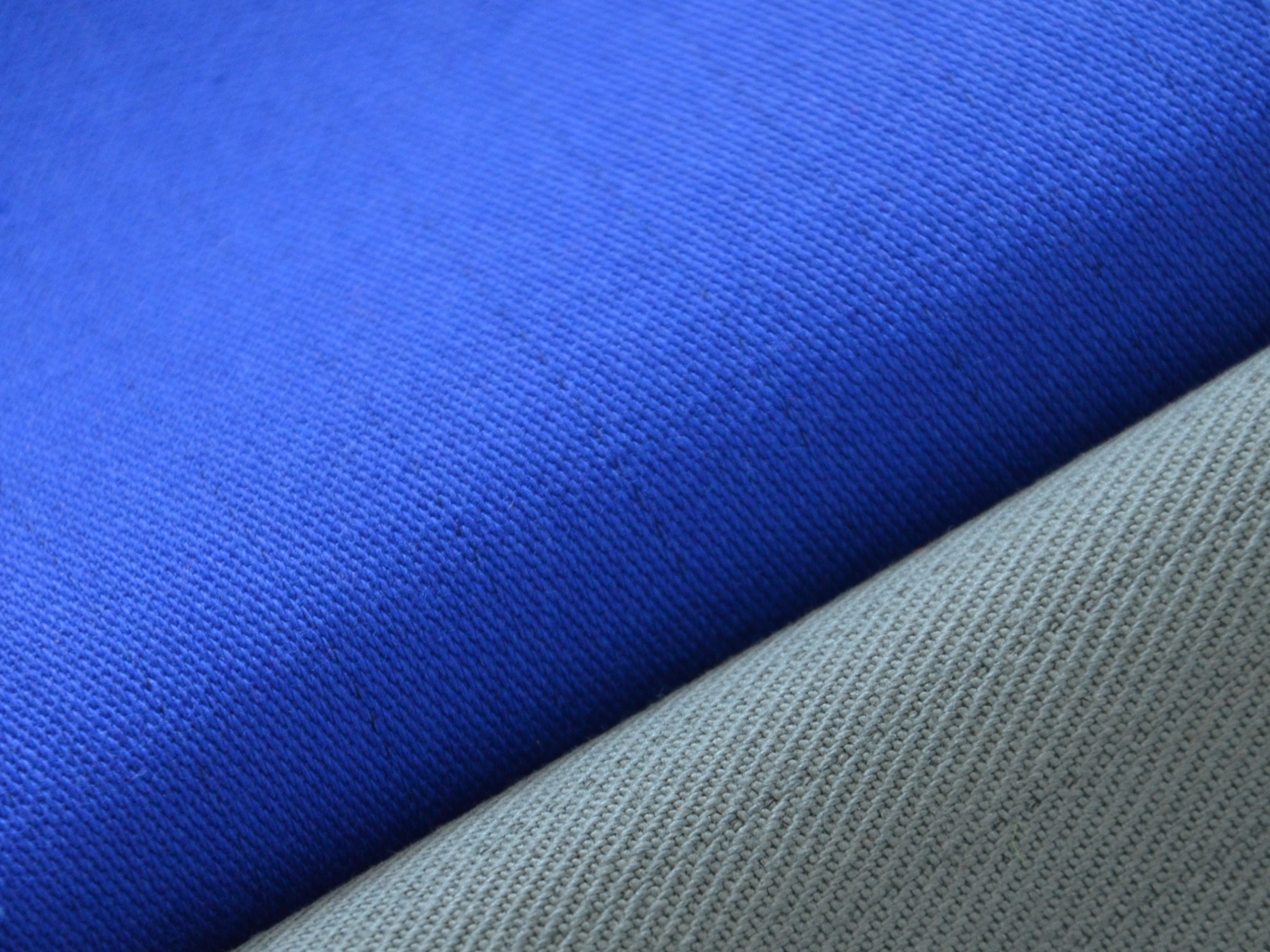
When we talk about protective textiles, it's easy to get caught up in spec sheets and lab certifications. But actual performance in the field is a different beast entirely. A fabric might ace a controlled abrasion test yet fail after a few weeks of real-world wear, where dirt, moisture, and unpredictable stress combine. The gap between standardized testing and day-to-day demands often reveals the true character of a material—something numbers alone can't capture.
Consider how different environments shape durability. A firefighter's gear faces intense heat and sudden thermal shifts, while a worker in a chemical plant deals with corrosive splashes and constant flexing. The same base material might hold up beautifully in one setting and degrade rapidly in another. It's not just about tensile strength or tear resistance; factors like stitch integrity, coating adhesion, and how the textile interacts with underlying layers play massive roles that rarely make the brochure.
Then there's the human element. Comfort affects compliance—if a protective garment is stiff or poorly ventilated, people modify it or take risks by not wearing it properly. The most technically advanced fiber is useless at the bottom of a locker. Real performance is a blend of physical endurance, environmental compatibility, and wearability. Truly understanding it means looking beyond the datasheet and watching how the textile lives and breathes on the job.
The Hidden World of Sustainable Fire-Resistant Materials
Every year, wildfires and building fires claim lives and devastate landscapes, yet the materials designed to slow these blazes often come with a heavy environmental toll. The hidden world of sustainable fire-resistant materials reveals a quiet revolution—where plant-based fibers, recycled industrial waste, and bio-inspired chemistry are replacing halogenated flame retardants and resource-intensive synthetics. These materials don’t just resist ignition; they do so without leaching toxins into soil or waterways, challenging the long-held belief that fire safety and ecological health are mutually exclusive.
Look closer and you’ll find mycelium-based panels grown from agricultural residue, which char rather than burn, forming a protective crust that insulates the material beneath. There are also transparent wood composites infused with silicon-rich compounds, offering the strength of lumber and the flame-spread performance of non-combustibles—all from fast-growing, sustainably managed forests. Even waste streams are being reimagined: industrial fly ash and discarded textiles are engineered into fire barriers that meet rigorous safety standards without adding to landfills or carbon footprints.
What makes this realm truly intriguing is its reliance on ancient lessons. Some of the most promising innovations draw from the kevlar-like toughness of spider silk proteins or the heat-dispersing geometry of certain seedpods, demonstrating that nature’s own fire-adapted species hold blueprints for next-generation protection. As regulatory pressures mount and architects seek healthier built environments, these hidden materials are slowly moving from niche research into mainstream construction, redefining what it means to build with both foresight and respect for the planet.
How Customization Shapes Better Protective Wear
In an industry where safety hinges on precision, one-size-fits-all protective gear often falls short. Standardized designs can leave workers vulnerable to hazards simply because the equipment doesn’t fit their unique body contours or movement patterns. Customization steps in to fill these critical gaps, tailoring everything from the cut of a fire-resistant jacket to the curve of a safety goggles’ frame. By factoring in individual anthropometrics and job-specific demands, customized protective wear not only boosts comfort but also ensures that coverage remains consistent and reliable during the most strenuous tasks.
Beyond pure protection, thoughtful customization directly influences how wearers interact with their gear throughout the day. A welder who can adjust the ventilation panels on their helmet will suffer less heat stress; a healthcare worker whose gown is fitted precisely to their shoulders will experience fewer restrictions when reaching for supplies. These personalized tweaks reduce the mental and physical fatigue that comes from constantly adjusting ill-fitting equipment, allowing the wearer to focus fully on the task at hand. The result is a deeper trust in the gear and a noticeable drop in risky shortcuts taken out of discomfort.
Modern customization also enables a proactive approach to workplace safety culture. When employees are involved in the design process—choosing materials, adding tool pockets, or specifying high-visibility accents—they become stakeholders in their own protection. This collaboration yields gear that aligns with actual job realities rather than generic assumptions, and it often leads to better compliance and longer equipment life. Ultimately, customized protective wear transforms from a mandatory expense into a dynamic, user-centered solution that evolves alongside the people it’s meant to shield.
Keeping Your Supply Chain Failsafe
A supply chain rarely snaps under a single, dramatic blow. More often, it unravels through small, overlooked fractures—a sole-source component running late, a logistics lane quietly clogging, information trickling in hours after the fact. True failsafe design moves past hoarding safety stock and toward embedding flexibility into every handoff. It means swapping fixed redundancies for dynamic resilience: the ability to re-route, re-prioritize, and re-calibrate in real time as conditions shift.
Smart tech can flag anomalies, but by the time an algorithm raises an alert, the damage may already be unfolding. The strongest safeguard is a team that has developed an instinct to challenge the smooth surface of operations—running unexpected stress tests, war-gaming scenarios that never made it into the formal risk register, and cross-training in ways that make formal back-ups feel obsolete.
Supplier relationships often get reduced to scorecards and SLAs, yet the most resilient networks treat key partners as mutual extensions. Sharing early-warning signals, co-investing in surge capacity, and maintaining open channels for blunt, real-time feedback turns contractual obligations into a shared survival instinct. When one path closes, the entire ecosystem already knows the next best alternative without waiting for permission.
Smart Spending Without Sacrificing Safety
Smart spending isn’t about cutting every corner—it’s about knowing where to put your money so you never have to trade safety for savings. Prioritize purchases that act as safeguards: a reliable car seat, sturdy locks, a fire extinguisher that won’t fail when you need it. These aren’t luxuries; they’re the quiet backbone of a well-protected life, and spending a bit more upfront often costs less than the fallout of a disaster.
The middle ground between cheap and reckless lies in research, not impulse. Before buying, dig into user experiences beyond the star ratings. Look for recurring complaints about durability or hidden flaws, and weigh whether a slightly pricier option has a track record of lasting years longer. Sometimes the safe choice is the one that doesn’t need replacing every few months, reducing both expense and exposure to risk.
FAQ
Focus on arc rating, heat attenuation factor, and thermal protective performance. Verify that the fabric meets relevant standards like NFPA 2112 or ISO 11612 for the intended hazard, and request third-party test reports to confirm consistent batch quality.
Ask for industrial wash cycle certifications—ideally 100+ cycles according to ISO 15797. Request samples that have undergone actual laundering to test for shrinkage, residual flame resistance, and any change in tear strength. A trustworthy supplier will provide detailed wash durability data.
The blend determines the balance of comfort, durability, and protection. Inherent FR fibers like aramids offer permanent protection, while treated cottons may lose effectiveness over time. Blends with high tenacity fibers improve abrasion resistance without sacrificing breathability.
Weight affects both protection and wearer comfort. Heavier fabrics typically provide better insulation against heat and flame, but can restrict movement and increase heat stress. Aim for the lightest fabric that meets your safety requirements, considering the climate and task duration.
Don’t rely solely on moisture vapor transmission rate (MVTR) numbers. Request total heat loss (THL) values and, if possible, conduct wear trials in representative conditions. A fabric with high THL and good air permeability reduces heat stress during physically demanding work.
Verify the origin of fibers, particularly for inherent FR materials, and confirm that the entire production chain follows ethical labor practices. Ask for chain-of-custody documentation and proof of raw material traceability to avoid counterfeits that could compromise safety.
Look for full certification from recognized bodies like UL or SGS, not just test reports. The supplier should provide certificates that list the specific fabric article, lot numbers, and scope of certification. Avoid suppliers who offer vague claims without verifiable documentation.
Hidden costs like reduced durability, more frequent replacement, and inconsistent protection. Cheaper fabrics may fail after fewer wash cycles or have lower tear resistance, leading to increased garment replacement frequency and potential safety risks. Perform a total cost of ownership analysis.
Conclusion
When evaluating an FR fabric supplier, it’s tempting to fixate on certification logos, but those stamps only tell part of the story. True protection hinges on how the fabric performs under real-world stress—how it resists tearing on a sharp edge, how it manages heat transfer, and whether that flame resistance holds up after dozens of industrial washes. A supplier worth trusting will walk you through test data, not just compliance checklists. They’ll explain why their fabric’s arc rating or char length matters for your specific workforce, and they won’t gloss over limitations. Beyond the numbers, forward-thinking suppliers are now embedding sustainability into the equation, offering inherently flame-resistant fibers derived from recycled content or bio-based sources without diluting protection. This shift doesn’t just tick a green box; it often yields lighter, more breathable materials that workers actually want to wear all shift long.
Equally critical is the supplier’s ability to tailor solutions, because off-the-shelf fabrics rarely fit every operational nuance. Whether you need hi-vis stripes integrated into the weave, embroidery-friendly surfaces for branding, or a specific hand feel for dexterity, a collaborative partner makes all the difference. Behind the scenes, supply chain resilience quietly dictates whether your order arrives on time and matches the approved sample batch after batch. Ask about their raw material sourcing, contingency plans, and quality audit frequency. Finally, cost shouldn’t be a gamble with safety. A skilled supplier helps you balance upfront fabric price against garment lifespan, maintenance savings, and the hidden expense of heat stress complaints. Smart spending means viewing protective textiles as a long-term asset, not a commodity, and choosing a partner who values your workers’ safety as much as their own bottom line.
Contact Us
Contact Person: Sandy
Email: [email protected]
Tel/WhatsApp: 86150 8310 5120
Website: https://www.frdrotex.com