

Gas Insulated Switchgear Manufacturer: Key Trends and Innovations in Power Distribution
2025-12-27
Discover how Lugao is leading the charge in modern power distribution through cutting-edge Gas Insulated Switchgear (GIS) technology. As energy demands surge and grids evolve, innovations in GIS are transforming reliability and efficiency. In this blog, we delve into the key trends—from compact designs to enhanced safety features—shaping the industry and why staying ahead matters for your projects. Join us to explore how these advancements can power a sustainable future.
Advancements in Eco-Friendly Gas Mixtures for Switchgear
Recent years have seen a surge in innovation within the electrical industry, particularly in developing eco-friendly gas mixtures for switchgear applications. Traditional sulfur hexafluoride (SF6), long favored for its excellent insulating and arc-quenching properties, faces growing scrutiny due to its high global warming potential. In response, researchers and manufacturers are actively exploring and testing alternative gas blends that maintain performance while significantly reducing environmental impact. These advancements are driven by stringent regulations and a global push toward sustainable energy infrastructure, making them a critical focal point for modern power systems.
New gas mixtures, such as those combining fluoronitriles with carbon dioxide or oxygen, have emerged as promising replacements, offering lower greenhouse gas emissions without compromising on safety or efficiency. Field trials and laboratory studies have demonstrated that these mixtures can effectively handle high-voltage switching and insulation demands in various conditions. By tailoring compositions to specific operational needs, engineers are achieving a balance between eco-footprint reduction and reliable electrical performance, paving the way for greener grid components that align with global climate goals.
Looking ahead, ongoing research aims to optimize these gas mixtures further, enhancing their cost-effectiveness and expanding their applicability across different switchgear types. Innovations in monitoring and maintenance technologies also support their adoption, ensuring long-term reliability. As industries worldwide transition to cleaner energy solutions, these advancements in eco-friendly gas mixtures for switchgear not only mitigate environmental risks but also foster innovation, making them a key element in the future of sustainable power distribution.
Integration of IoT and Smart Monitoring Capabilities
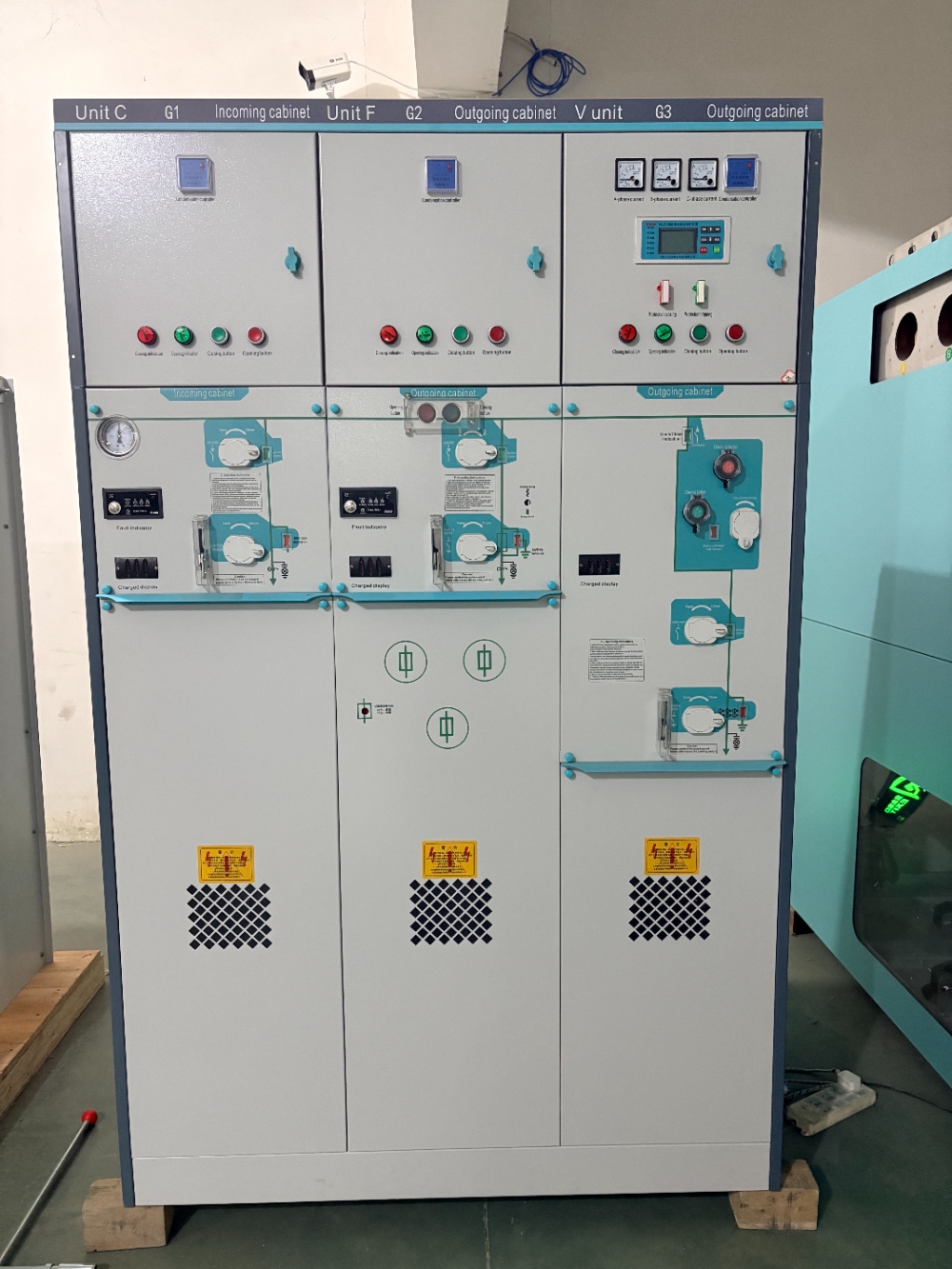
At the core of modern technological advancements, the integration of IoT and smart monitoring capabilities is revolutionizing how we interact with and manage our environments. This synergy allows for seamless connectivity between devices, enabling real-time data collection and analysis across various sectors such as healthcare, manufacturing, and urban infrastructure. By harnessing IoT sensors and smart systems, organizations can monitor critical parameters, predict potential issues before they arise, and automate responses to optimize efficiency and safety. This interconnected approach not only enhances operational transparency but also drives innovation by providing actionable insights that were previously inaccessible, making it a fundamental shift in how we approach problem-solving and resource management.
In practice, the integration involves embedding sensors and communication modules into everyday objects and systems, creating a network of intelligent devices that continuously gather and transmit data. For instance, in agriculture, IoT-enabled soil moisture sensors can monitor crop conditions, while smart monitoring systems analyze this data to adjust irrigation schedules automatically, conserving water and boosting yields. Similarly, in healthcare, wearable devices track patient vitals and send alerts to medical professionals in case of anomalies, enabling proactive care and reducing hospital readmissions. This hands-on application demonstrates the tangible benefits of merging IoT with smart monitoring, transforming passive observation into dynamic, responsive actions that align with specific needs and goals.
Looking ahead, the evolution of IoT and smart monitoring capabilities holds immense promise for shaping more sustainable and resilient communities. As technologies like edge computing and artificial intelligence become more integrated, systems will not only monitor but also learn and adapt autonomously over time. For example, in smart cities, traffic management systems could use real-time data from IoT sensors to optimize traffic flow, reduce congestion, and lower emissions, while energy grids might dynamically adjust supply based on consumption patterns. By prioritizing user-centric design and robust security measures, this integration is set to foster environments that are not just smarter but also more intuitive and responsive, paving the way for a future where technology seamlessly supports human well-being and environmental stewardship.
Modular and Compact Designs for Enhanced Space Efficiency
In today's fast-paced world, maximizing every inch of space has become a crucial consideration, whether in urban living, mobile devices, or commercial settings. Modular and compact designs address this need by offering flexible, scalable solutions that adapt to various constraints. By breaking down systems into interchangeable units, these designs allow users to customize layouts without wasteful gaps, promoting a clutter-free environment that enhances both functionality and aesthetics.
For instance, in residential architecture, modular furniture like foldable tables or stackable storage units can transform a small apartment into a multi-functional space. Similarly, in technology, compact designs in electronics—such as modular smartphones with swappable components—reduce e-waste and improve repairability, aligning with sustainability goals. This approach not only saves physical space but also streamlines workflows, as seen in office setups with modular desks and wall-mounted systems that free up floor area for collaboration.
Beyond practicality, these designs foster innovation by encouraging creative problem-solving. By prioritizing efficiency over bulk, they often lead to sleeker, more intuitive products that resonate with modern consumers who value minimalism and versatility. From kitchen appliances with removable modules to portable workstations that collapse for travel, the emphasis on space-saving solutions continues to redefine how we interact with our surroundings, making everyday life more organized and adaptable.
Improved Fault Detection and Diagnostic Systems
Modern fault detection and diagnostic systems have evolved significantly, integrating advanced sensor networks and machine learning algorithms to identify anomalies in real-time. These systems not only alert operators to potential issues but also provide actionable insights, reducing downtime and maintenance costs by pinpointing root causes with unprecedented accuracy. By leveraging data analytics, they enable proactive maintenance strategies, transforming how industries manage equipment health and operational efficiency.
One key innovation in these systems is the use of predictive modeling, which analyzes historical and real-time data to forecast failures before they occur. This approach shifts maintenance from reactive to preventive, allowing businesses to schedule repairs during non-critical periods and minimize disruptions. Enhanced connectivity through IoT devices further boosts diagnostic capabilities, creating a seamless feedback loop that optimizes performance and extends asset lifespan across various sectors.
Additionally, user-friendly interfaces and customizable dashboards make these systems accessible to non-experts, facilitating quicker decision-making and collaboration among teams. By incorporating cloud-based platforms, organizations can scale their fault detection efforts, ensuring robust monitoring in complex environments. This adaptability not only enhances safety and compliance but also drives competitive advantage by fostering a culture of continuous improvement and technological agility.
Focus on Material Durability and Longevity in Harsh Environments
In extreme settings where conditions push materials to their limits, durability isn't just a feature—it's a necessity for survival. Whether it's withstanding relentless salt spray, intense UV exposure, or corrosive chemicals, the right materials must be engineered to resist degradation over time. This means going beyond standard specifications to consider real-world stressors, ensuring that every component can handle long-term exposure without compromising its structural integrity.
Longevity in harsh environments often hinges on innovative material blends and advanced surface treatments. For instance, hybrid polymers or specialized coatings can provide an extra layer of protection against abrasion and thermal fluctuations. By focusing on such tailored solutions, we aim to deliver products that not only meet but exceed expectations, minimizing maintenance needs and extending service life even in the toughest conditions.
It's about building resilience into the very fabric of a product, anticipating challenges and addressing them proactively. Through rigorous testing and continuous improvement, we ensure that our materials are up to the task, offering peace of mind and reliability when it matters most.
Adoption of Digital Twins for Real-Time Performance Analysis
The adoption of digital twins for real-time performance analysis marks a significant leap in how industries monitor and optimize their operations. By creating a virtual replica of physical assets, systems, or processes, organizations can simulate scenarios, predict outcomes, and adjust strategies on the fly. This technology allows for continuous data streaming from sensors and IoT devices, feeding into dynamic models that provide instant insights into performance metrics. For example, in manufacturing, a digital twin of a production line can detect inefficiencies as they occur, enabling immediate corrective actions to minimize downtime and boost productivity. This real-time capability shifts performance analysis from periodic reviews to a proactive, always-on approach, empowering businesses to stay ahead of potential issues and seize opportunities more swiftly.
Beyond manufacturing, sectors like energy, healthcare, and urban planning are harnessing digital twins to enhance operational agility. In energy management, digital twins of power grids analyze real-time data to balance supply and demand, preventing overloads and reducing waste. In healthcare, replicas of human organs or hospital systems help simulate treatments and resource allocation, improving patient outcomes through timely adjustments. Unlike traditional models that rely on historical data, digital twins incorporate live feeds, making performance analysis more responsive and context-aware. This integration not only refines decision-making but also fosters innovation by allowing safe experimentation in a virtual environment before implementing changes in the real world.
The widespread adoption of digital twins is driven by their ability to bridge the gap between physical and digital realms, offering a holistic view of performance. Real-time analysis through these models enables predictive maintenance, where equipment failures are anticipated before they happen, slashing repair costs and extending asset lifespans. Moreover, by leveraging advanced analytics and AI, digital twins can uncover hidden patterns and correlations that might go unnoticed in static reports. This depth of insight helps organizations tailor strategies to specific conditions, enhancing resilience and competitiveness. As more companies embrace this technology, real-time performance analysis becomes not just a tool for optimization but a cornerstone of agile, data-driven operations, transforming how industries operate in an increasingly complex world.
FAQ
The GIS sector is seeing a shift towards increased digitization and smart grid integration, with trends focusing on enhanced monitoring systems, eco-friendly SF6 alternatives, and modular designs for easier installation and maintenance in urban and renewable energy projects.
Innovations include advanced sensor technologies for real-time condition monitoring, improved arc-quenching mechanisms, and robust sealing techniques to prevent gas leaks, coupled with AI-driven predictive maintenance tools that help prevent failures and extend equipment lifespan.
Sustainability is driving research into low-GWP (global warming potential) gas alternatives to SF6, such as fluoronitriles or dry air mixtures, alongside efforts to reduce material waste through recyclable components and energy-efficient manufacturing processes.
Renewable integration demands GIS units that can handle variable power flows and grid instability, leading to innovations like compact, weather-resistant designs for offshore wind farms and solar plants, and enhanced capabilities for grid stabilization and frequency control.
Challenges include balancing cost pressures with the high R&D investments needed for new materials and technologies, meeting stringent regulatory standards for safety and emissions, and scaling production to keep pace with global infrastructure upgrades and urbanization.
Recent breakthroughs include the development of hybrid GIS systems combining gas and solid insulation for better performance, IoT-enabled devices for remote diagnostics and control, and innovations in busbar technology that reduce energy losses and improve thermal management.
Conclusion
The evolution of gas insulated switchgear (GIS) manufacturing is increasingly driven by a focus on sustainability and advanced digital integration. Significant advancements in eco-friendly gas mixtures, such as those utilizing nitrogen or air-based alternatives, are reducing reliance on traditional sulfur hexafluoride (SF6), thereby lowering environmental impact and enhancing safety. Concurrently, the integration of IoT and smart monitoring capabilities allows for real-time data collection, predictive maintenance, and remote diagnostics. This synergy between eco-friendly materials and digital connectivity not only improves operational efficiency but also aligns with global energy goals, ensuring reliability while minimizing ecological footprints in power distribution systems.
Innovations in design and diagnostics are reshaping GIS for modern grid demands. Modular and compact designs optimize space usage, enabling flexible installations in constrained urban or industrial settings. Enhanced fault detection and diagnostic systems, supported by digital twins for real-time performance analysis, provide precise insights into equipment health, reducing downtime and extending lifespan. Material durability and longevity in harsh environments ensure robust performance under extreme conditions. Together, these trends foster resilient, efficient, and scalable power distribution networks, positioning GIS as a cornerstone of future energy infrastructure.
Contact Us
Contact Person: Doreen
Email: [email protected]
Tel/WhatsApp: 8618057712366
Website: https://www.liugaopower.com/