

Grain Oriented Electrical Steel Wholesalers Are Key to Reliable Transformer Manufacturing
2026-10-19
Most transformer failures never make headlines. They show up as subtle losses in efficiency, creeping heat, or shortened service life—almost always tracing back to the core material. That's why the choice of grain oriented electrical steel wholesalers is far more strategic than it appears. A reliable wholesaler does more than move inventory; it safeguards the magnetic performance that transformers are built on. Jiangsu Baowu New Materials understands this deeply, supplying steel that meets the exacting demands of modern manufacturing. But what should you look for in a wholesale partner? Let's break it down.
Sourcing Grain Oriented Steel Without the Guesswork
Finding reliable grain oriented electrical steel suppliers used to mean weeks of back-and-forth emails, sample requests that never arrived, and conflicting specs from mills that simply didn't answer the phone. The real problem isn't a lack of material—it's the fog of uncertainty around what you're actually buying. Without verified data on core loss, permeability, and dimensional tolerance, every purchase feels like a roll of the dice. Smart buyers stop guessing by demanding mill test certificates upfront, checking batch traceability, and comparing laser scribing patterns under a microscope before a single coil ships.
The guesswork largely disappears once you standardize your incoming inspection routine. Instead of trusting a supplier's word on grade, test the Epstein samples yourself at multiple frequencies and flux densities. Keep a reference library of grain size images and domain refinement markings from accepted lots, then use that as a baseline for every new shipment. When a new source claims to match your current steel, ask for side-by-side test data generated under identical conditions—not just their marketing brochure numbers. This small upfront investment in verification pays off in fewer scrapped transformer cores and fewer line stoppages during slitting.
Another overlooked way to remove guesswork is to work backward from your final product's performance. Define the maximum acceptable no-load loss and A-weighted noise level for your finished transformer, then communicate those targets to potential suppliers in plain engineering terms. A mill that can't or won't discuss how their steel behaves at your specific operating point is a mill you can't afford to experiment with. Pair that with a simple scoring system for delivery consistency, packaging damage, and edge burr quality, and you'll quickly build a short list of sources that behave more like partners than vendors. That's how sourcing grain oriented steel becomes a repeatable process rather than a monthly gamble.
When Core Losses Start at the Supplier
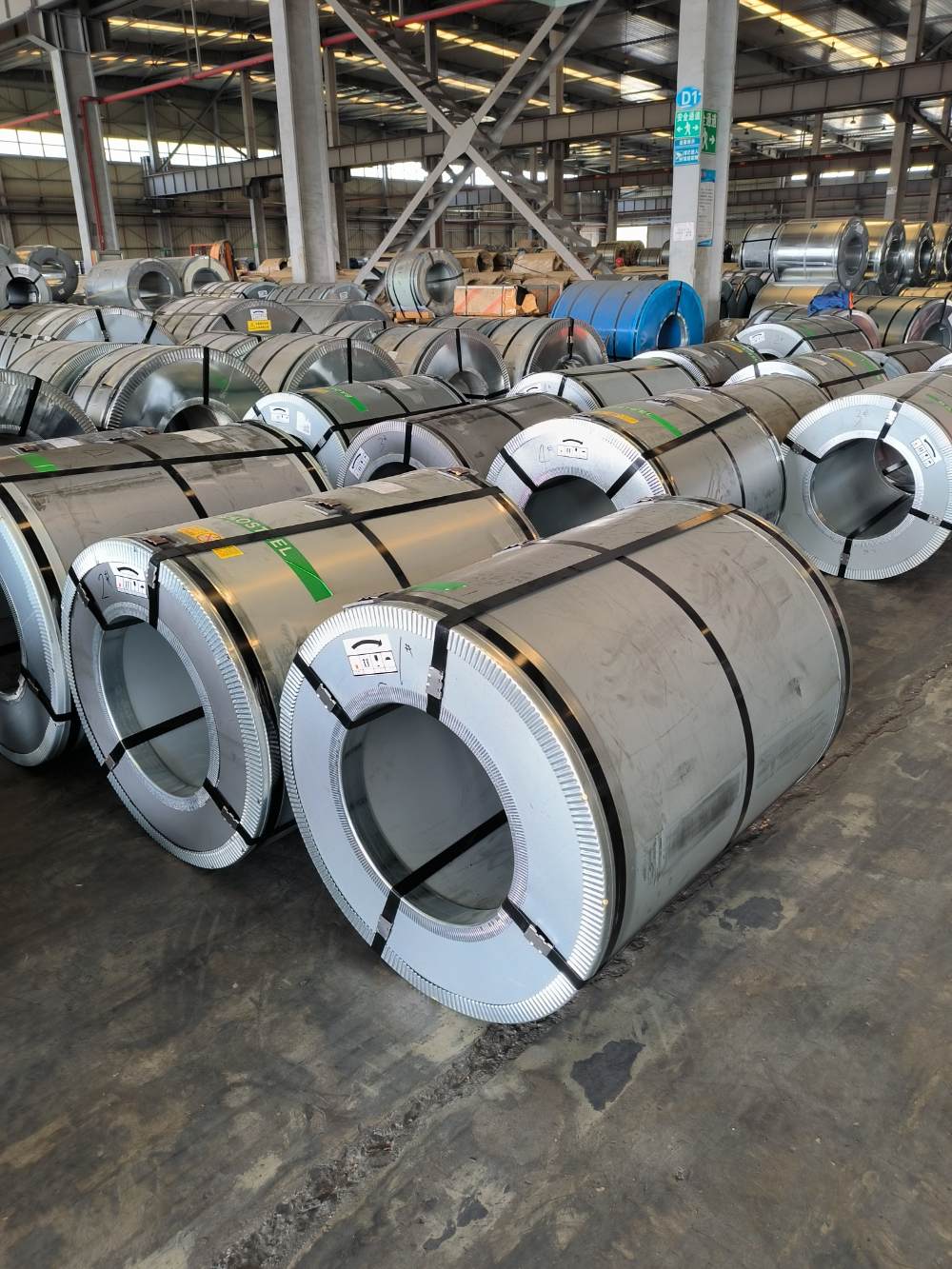
A core can be perfectly wound and still underperform if the material arrived with hidden stress. Lamination suppliers may ship steel with inconsistent grain orientation or residual strain from slitting, and those flaws rarely show up on a datasheet. By the time the core reaches final test, the losses are already baked in.
Procurement teams often chase cheaper raw stock without realizing how much eddy current and hysteresis margin they give away. A few microns of extra coating thickness or a slightly wider burr on the cut edge shifts losses in ways that no downstream annealing step can fully recover. The supplier's process becomes the designer's constraint.
Close collaboration with the mill matters more than a spot-check audit. Requesting batch-level Epstein frames, controlling slitting tool wear, and specifying maximum burr height before lamination stacking keeps the problem upstream where it belongs. When core losses start at the supplier, your own floor can only contain the damage.
The Unseen Role of Wholesalers in Transformer Longevity
Wholesalers sit quietly between manufacturers and utilities, yet their decisions ripple through every stage of a transformer's life. They act as gatekeepers for component authenticity, filtering out substandard bushings, tap changers, and insulation materials that would otherwise shorten operational lifespans. A wholesaler with deep supplier relationships can demand batch-level test reports and traceability, ensuring that each part meets the original equipment specifications. Without that quiet oversight, counterfeit or mismatched components enter the supply chain and surface years later as premature dielectric failures.
Storage and handling practices at the wholesale level often determine whether a transformer arrives on-site in factory-fresh condition or with hidden degradation. Moisture ingress in cellulose insulation, subtle oil contamination, and micro-fractures from improper lifting do not always announce themselves immediately. Reputable wholesalers maintain climate-controlled warehouses, use desiccant breathers during storage, and train staff to avoid stress points when moving heavy cores and coils. These unglamorous routines preserve the internal geometry and chemical stability that a transformer relies on for decades of service.
Long after installation, the wholesaler's influence continues through the availability of compatible spare parts. A failing gasket or worn contact on a load tap changer can be replaced quickly if the distributor has maintained a thoughtful inventory rather than waiting for a factory lead time. Experienced wholesalers also flag known weaknesses in certain transformer families, suggesting upgraded seals or improved cooling components before minor issues become forced outages. That kind of behind-the-scenes support keeps aging units in service far longer than nameplate expectations, not through dramatic intervention but through sustained, informed reliability.
From Mill Specs to Magnetic Performance
Most engineers treat the mill test report as a starting point, not a promise. A heat of silicon steel can come back with the right grade, thickness, and coating, yet still behave differently once it's stamped, wound, or annealed. Small variations in rolling direction, grain size, or residual stress quietly shift hysteresis losses and permeability long before the part reaches a test bench.
That gap between mill specs and finished performance is where magnetic character gets decided. Slitting and punching introduce edge burrs and localized strain that pin domain walls. Core assembly compresses laminations unevenly, changing air gaps and flux distribution. Even a well-documented alloy can lose a noticeable slice of efficiency if these steps aren't checked against actual BH curves rather than catalog values.
Closing the loop means measuring early and often. A quick Epstein frame test on incoming coils catches drift that a chemistry report won't show. Toroid or ring samples cut after stamping reveal how much damage the tooling really did. When these mid-process numbers are fed back into the design assumptions, the final motor or transformer stops being a bet on mill specs and starts behaving like the magnetic performer it was meant to be.
Why Stock Availability Can Make or Break Production Schedules
Stock availability sits at the center of any realistic production schedule. When a key component is missing, the entire line can grind to a halt, forcing planners to shuffle orders, split batches, or pay for expedited freight just to keep things moving. It's not simply about having enough parts on hand—timing matters as much as quantity. A delivery that shows up a day late can be as disruptive as one that never arrives.
Many manufacturers walk a tightrope between carrying too much inventory and running too lean. Holding excess stock ties up working capital and eats into warehouse space, but cutting buffers too aggressively leaves operations vulnerable to supplier delays, quality rejects, or sudden demand spikes. The companies that manage this well tend to treat stock levels as a dynamic variable, adjusting safety stock based on changing lead times and historical variability rather than relying on static rules from a spreadsheet.
Real-time visibility into inventory across multiple locations gives production planners the confidence to commit to dates without guessing. When systems flag low stock before it becomes a crisis, teams can reroute parts from another facility, negotiate a quicker replenishment, or temporarily adjust the schedule with minimal disruption. In contrast, discovering a shortage only when the line stops often means hours of idle labor, missed shipping windows, and a cascade of rescheduling that can take days to untangle.
Building Trust with Steel Partners Who Understand Core Design
Real trust doesn't come from a polished quote or a quick turnaround promise. It grows when your steel partner asks the right questions about load paths, weld access, and how a tolerance stack might shift under thermal cycling. We've spent years in shops where a missed radius on a gusset meant rework, not just conversation—so when we review a drawing, we're not just checking dimensions. We're looking at how the part will actually behave once it leaves our floor and lands in yours.
That depth of understanding changes the nature of collaboration. Instead of back-and-forth clarification emails, you get a partner who flags a potential buckling mode before you've finalized the analysis. Instead of generic material substitutions, you get recommendations tied to your specific fatigue environment. The result is a relationship where the steel itself becomes a shared language—and the trust built on that fluency means fewer surprises, tighter lead times, and a design that stays true to your intent from first cut to final inspection.
FAQ
The material's magnetic properties are aligned in one direction, which dramatically reduces core loss when the transformer is energized. Without this grain orientation, alternating current would generate far more heat and waste energy, so the steel directly dictates how efficient and cool-running the finished transformer will be.
A dependable wholesaler does more than move material; they ensure every coil or sheet arrives within the agreed grain structure, thickness tolerance, and surface insulation. Any deviation here forces the manufacturer to adjust lamination cutting, stacking, or annealing, which introduces variability that can shorten transformer life.
Look beyond price. Ask for mill test certificates for each batch, traceability back to the original cast, and evidence of proper storage to prevent rust or coating damage. A good wholesaler will also offer technical guidance on grade selection for distribution versus power transformers.
Even small shifts in silicon content or rolling reduction can change magnetic permeability and core loss. If the wholesaler mixes batches from different mills without clear labeling, the manufacturer ends up with laminations that behave differently under load, causing hot spots and audible noise that are hard to diagnose later.
Yes, through smart inventory planning and cut-to-length services. A wholesaler that stocks multiple widths and grades can supply exactly what a producer needs, reducing scrap rates on the lamination line. Lower scrap means fewer rejected cores and better overall yield without compromising magnetic performance.
Moisture can attack the insulation coating and cause edge rust, which increases interlaminar losses and can lead to premature core failure. A responsible wholesaler keeps the material dry, wrapped, and off concrete floors, and they rotate stock so older coils ship first.
Distribution transformers often use conventional grain oriented grades with slightly higher loss but lower cost, while large power transformers demand high-permeability, domain-refined grades that keep no-load losses extremely low. The wholesaler should know which grade suits the rated voltage, kVA, and operating temperature of the specific design.
The shift toward higher-efficiency regulations is pushing manufacturers to adopt thinner gauge, laser-scribed grades. Wholesalers are responding by holding more premium grades in stock and offering smaller minimum order quantities so smaller producers can access these advanced materials without overcommitting capital.
Conclusion
Transformer builders know that grain oriented electrical steel is not a commodity to be bought on price alone. A wholesaler with real technical depth removes the guesswork from sourcing by verifying mill certifications, checking magnetic properties, and matching material to specific core designs. Core losses are often decided before the steel ever reaches the factory floor; if a supplier delivers sheets with inconsistent orientation or poor insulation coating, the finished transformer will run hot and waste energy. The best wholesalers act as an extension of the manufacturer's quality control, rejecting lots that fall short of guaranteed Epstein test values and documenting every heat number. This quiet oversight protects long-term reliability, because a transformer's efficiency and thermal aging depend on the steel's permeability and hysteresis behavior from the very first cut.
Beyond technical filtering, inventory depth separates dependable wholesalers from order-takers. Production schedules for distribution transformers can collapse when a specific gauge or laser-scribed domain-refined grade is backordered for months. A stock-focused partner holds buffer inventory across multiple widths and coatings, allowing manufacturers to shift builds without idling lines. Trust grows when the wholesaler understands not just the mill specs but how the steel will be slit, stacked, and annealed in a particular core geometry. They suggest alternatives that preserve flux density and reduce core loss per kilogram, not merely cheaper substitutions. That kind of partnership turns supply risk into a managed variable, helping transformer makers deliver products that meet efficiency regulations and survive decades in the field. Without such wholesalers, reliable transformer manufacturing becomes a much harder bet.
Contact Us
Contact Person: Zoe Liang
Email: [email protected]
Tel/WhatsApp: 86 189 2128 6299
Website: https://www.jycomat.com