

Hot Knife Laminating Machine Exporters: What Global Buyers Need to Know
2026-11-18
Most export guides start with machine specs. This one starts with a harder question: will your supplier still answer the phone after the invoice is paid? When you're comparing hot knife laminating machine exporters from outside the market, the real differences show up in build consistency, spare parts availability, and how clearly they communicate before—not after—you commit. That's exactly what this guide unpacks, with a close look at the factors global buyers tend to overlook. If you want to skip the guesswork, XIAOPAI is one exporter worth checking early.
How a Hot Knife Laminating Machine Really Runs on Your Floor
Out of the crate, the machine looks like a compact cart, but once it is on the floor the first thing you notice is how little it moves under load. The low frame keeps the feed path close to the ground, so long pieces do not tip or wobble the way they would on a bench. That changes the work rhythm: you guide the material through with a slight forward lean, and the floor itself becomes part of the setup. Before the first real run, operators usually spend ten minutes finding the level spot and adjusting the small feet at the base, because even a slight dip in the concrete will show up as a wavy edge.
The hot knife is not a blade that slices; it heats its way through the surface film and leaves a sealed line behind. Warm-up takes longer than the manual suggests on a cold morning, and the first pass after heat-up is normally the one you throw away. Feed speed is controlled less by the dial and more by the sound of the machine—when the pitch drops, you are pushing too fast. A concrete floor draws heat out of the lower part of the machine, so on cold days the edge quality improves after a few scrap pieces have warmed the immediate area.
Running it on the floor also means managing the space around the machine, not just the feed line. The power cord becomes a trip hazard within minutes unless it is taped flat, and the heat coming off the knife is easy to feel a step away. Once you find the right pace, the work becomes almost automatic: steady pressure, a half-turn of the material at the end of each pass, and a quick wipe of the blade before the next sheet. It is not the fastest machine on the floor, but the edge consistency is what keeps people using it.
Why Lowball Quotes From Exporters Usually Have a Catch
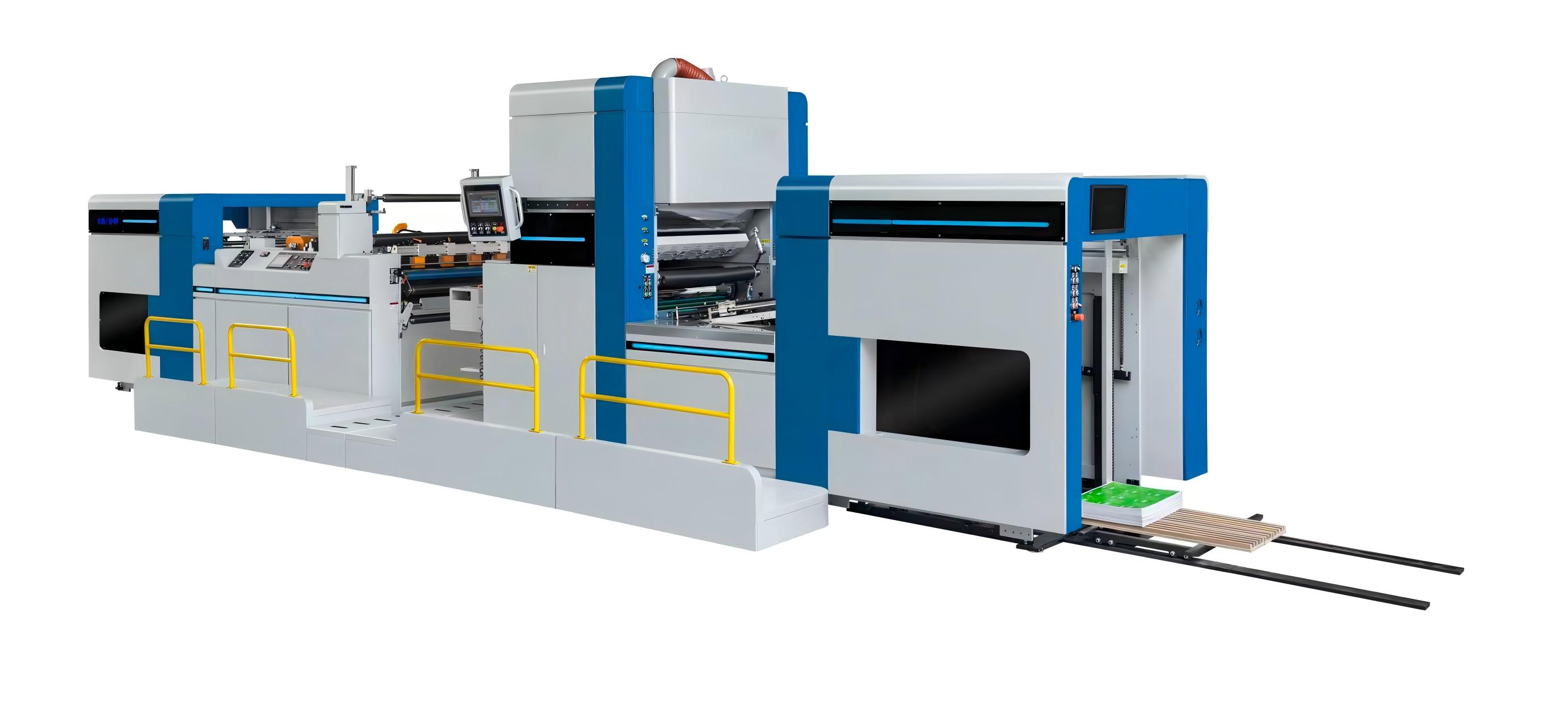
A price that sits far below every other bid is rarely an accident. Exporters know their costs, and when a quote arrives with a number that seems too good to be true, the gap usually comes from somewhere: thinner material, fewer accessories, slower shipping routes, or a specification that quietly drifts from what was requested. The initial figure looks sharp on a spreadsheet, but the real cost shows up later as rejected batches, longer lead times, or the need to fix what should have been correct from the start.
Some suppliers use the low opening price as a way to get a foot in the door, then recover margin through substitutions once the order is locked in. Others base the quote on a stripped-down version of the product and treat the features you actually asked for as add-ons. The pattern is predictable enough: the lowest quote often wins the first round and loses on total cost. Buyers who compare only the numbers on the first page end up paying for the difference after delivery.
That does not mean every low quote is a trap, but it does mean the burden of proof sits with the exporter. A credible low price should come with a clear explanation, not vague assurances. Ask for a breakdown of materials, packaging, transportation and inspection. If the supplier cannot show exactly where the savings come from without weakening the product, the cheap quote is probably carrying a catch that will arrive with the shipment.
The Spec Details That Separate a Workhorse From a Backup
The gap rarely shows up in headline horsepower. It sits in axle ratio, transmission cooling, and alternator output. A true workhorse tends to run a numerically higher axle ratio, giving up some highway speed for low-end shove when the bed is loaded. The backup may carry the same engine code but gets taller gearing, a smaller radiator, and a transmission calibration that was never meant to hold lower gears under heavy load all afternoon.
Payload stickers tell the story more plainly. Compare the door jamb numbers and the workhorse usually shows heavier springs, stiffer frame bracing, or stronger axle shafts. None of that improves the ride. It just keeps the rear end from sagging, the coolant from spiking, and the axles from snapping when the trailer is behind it. A backup can handle the job once. The workhorse is specced to handle it again tomorrow.
Electrical and fluid choices stack up too. Higher-output alternators, auxiliary battery trays, oil coolers, and upsized brake pads tend to appear on the one meant for daily labor. On paper the two machines look close. Under sustained use, the differences show up as heat, wear, and fatigue.
What Build Quality Tells You Before the First Shipment
Build quality acts as an early signal if you know where to look. Before a container leaves the dock, the gaps around a housing, the consistency of screw torque, and the way a cable sits after repeated flexing reveal whether the line is stable or just on its best behavior for the sample room.
Small quirks in pre-production units rarely stay small. A connector that needs a little extra push, a seam that closes only after pressure, or a finish that varies between batches usually means the process hasn't been locked down. Those are the signals that later show up as return requests and angry unboxing videos, except nobody can trace them back to a single faulty part.
More importantly, build quality tells you whether the factory understood the design or simply copied it. When assemblers compensate with extra adhesive, trimmed edges, or non-standard torque, they aren't fixing defects; they're hiding process drift. That's the kind of information a spec sheet won't carry, but the first shipment definitely will.
Freight, Duties and the Charges Missing From Most Offers
Most buyers stop at the headline price, but that number rarely tells the whole story. Freight, customs duties, port handling fees, and other charges often appear only after the order is already moving. If a quote doesn't itemize these costs up front, you could be left absorbing surprises that quietly erase any initial savings.
A reliable offer should show exactly what is included and what isn't. Ask whether the price covers inland trucking, insurance, terminal charges, or currency conversion. Vague wording like "shipping extra" or "duties as applicable" usually means the final invoice will look very different from the first one you approved.
Comparing two offers becomes meaningless when one already bundles those extras and the other hides them in the fine print. Before you commit, request a complete landed cost breakdown. That single step can save you from a deal that only looked cheaper on the surface.
Getting Genuine After-Sales Help Across Time Zones
When your equipment runs around the clock, waiting for a reply that arrives after your shift ends isn't just inconvenient, it's costly. The real test of global support is whether a human being with the right technical knowledge can pick up the phone or join a remote session at an hour that suits your schedule, not theirs. Some vendors list regional offices but still funnel every request through a single queue, creating delays disguised as coverage.
Look for a support model built on overlapping service windows, where engineers in different regions hand off active cases with full context instead of asking you to repeat the problem from scratch. This matters most during commissioning, upgrades, or emergency troubleshooting, when a fifteen-minute time zone gap can stretch into a full day of idle machinery. A genuinely useful after-sales team will also maintain local spare parts caches and offer documented escalation paths that don't require navigating a phone tree.
It helps to test the vendor before signing. Send a technical query late in your working day and see when the first substantive answer arrives, whether the reply is in clear English or translated boilerplate, and whether follow-up questions get handled by the same engineer or someone unfamiliar with the case. Real after-sales help across time zones rarely announces itself with a slogan; it shows up as a fast, informed, and personalized response exactly when you need it.
FAQ
Check whether the exporter actually builds or modifies the heating and cutting assembly rather than simply reselling standard laminators. Ask for a live workshop walk-through and recent shipment records showing machines configured for your voltage and frequency.
A machine set for 220V/60Hz can behave unpredictably on 380V/50Hz if the heating element and motor are not properly matched. Buyers should request the exact component specifications instead of accepting a generic export version label.
Temperature consistency at the blade, low-speed control stability, and the material guide alignment are common weak points. Request a sample run on your actual film or fabric thickness; if the exporter is reluctant, that hesitation usually means limited production capability.
Be specific about heating element lifespan, controller board replacement, and remote support. Many exporters offer twelve months of coverage but exclude heating elements from the warranty or require the buyer to pay freight both ways on replacement parts.
Ask for labeling samples, electrical drawings, and references from nearby countries. If the exporter cannot provide documentation for CE, UL, or equivalent standards that your customs authority expects, you should budget for delays or independent certification.
Yes, specialized shops are often more willing to adjust roller width, blade stations, or guide systems. Large traders may negotiate freight better, but their technical depth is often thinner when a heating or speed issue appears after installation.
Put a technical annex in the purchase contract covering the temperature controller brand, roller material, safety guards, frame steel thickness, and blade type. Request photos before crating and ask the exporter to complete a signed final inspection checklist.
Order critical parts with the machine instead of waiting for a breakdown. Heating blades, belts, sensors, and controller units are inexpensive at the time of purchase, but air freight and downtime later can easily exceed their original cost.
Conclusion
Hot knife laminating machines rarely fail in dramatic ways. The real problems show up in uneven edge finishing, inconsistent temperature recovery between feed cycles, or a frame that starts flexing after a few weeks of continuous shifts. That is why a factory-floor view matters more than a glossy spec sheet. Exporters who push rock-bottom prices often pair those offers with thinner heating elements, smaller drive motors, and controls that cannot hold a set point under load. Buyers who compare only wattage or roller width miss the details that decide whether a machine runs as a daily workhorse or a backup: voltage tolerance, duty cycle ratings, accessibility of wear parts, and whether safety interlocks are mechanical or purely software-based.
Build quality shows before the first shipment if you ask for the right evidence. Weld finish on the frame, the brand and origin of the electrical cabinet components, and how the manufacturer handles shipping brackets say more than a catalog photo. Freight and duty are another place where offers quietly diverge. Some exporters quote FOB prices that leave port handling, import duties, and customs bonds off the table, which turns a cheap invoice into an expensive dock surprise. After the machine lands, real support depends on whether the exporter has trained service partners or just a sales agent forwarding WhatsApp messages. Time-zone coverage, video inspection routines, and parts stocked in a regional hub matter more than a long warranty paragraph.
Contact Us
Contact Person: Kellen Chen
Email: [email protected]
Tel/WhatsApp: 8613806536768
Website: https://www.cnxiaopai.com