

Natural Preservative Company Questions to Ask Before You Commit
2026-11-25
Choosing a natural preservative supplier isn’t just about comparing spec sheets—it’s about stability, compatibility, and whether the answers hold up when production is already waiting. Too many brands only discover the gaps after a batch fails or a claim gets challenged. Before you commit to ZIPIN or any other candidate, ask the questions that reveal who can actually deliver beyond the sample. Here’s where to start.
What Their Spec Sheet Actually Means by Natural
A walk down the mattress aisle shows the word “natural” doing a lot of heavy lifting. On one tag it might mean the foam core contains a splash of plant-based oil. On another, it refers to an organic cotton cover wrapped around a fully synthetic interior. Without a regulated definition in the bedding world, the label often points to a single ingredient while the rest of the product remains engineered in a lab. Reading the fine print becomes less about trusting the marketing and more about spotting what the brand chose to highlight—and what it quietly left out.
The real story usually hides in the percentages. A spec sheet might boast “natural latex,” but a careful look reveals a blend where synthetic latex makes up the majority. Similarly, “natural wool” could be a thin flame barrier layered over petroleum-based memory foam. Even “plant-derived” can be misleading: some bio-foams replace only a small fraction of petrochemicals with castor or soybean oil. What the sheet omits matters more than what it prints. Certifications like GOLS or GOTS help, but only when they cover the entire product, not just one component.
For anyone comparing options, the safest move is to ask which materials are actually natural, in what amounts, and where they sit. A mattress with a natural latex comfort layer over a polyurethane support core is not the same as one built entirely from latex, cotton, and wool. If the brand cannot answer those questions directly—without leaning on vague phrases like “eco-friendly” or “green”—the spec sheet has already told you what you need to know. Natural, in many cases, is less a promise and more a stylistic choice.
Stability Data They Rarely Offer Up Front
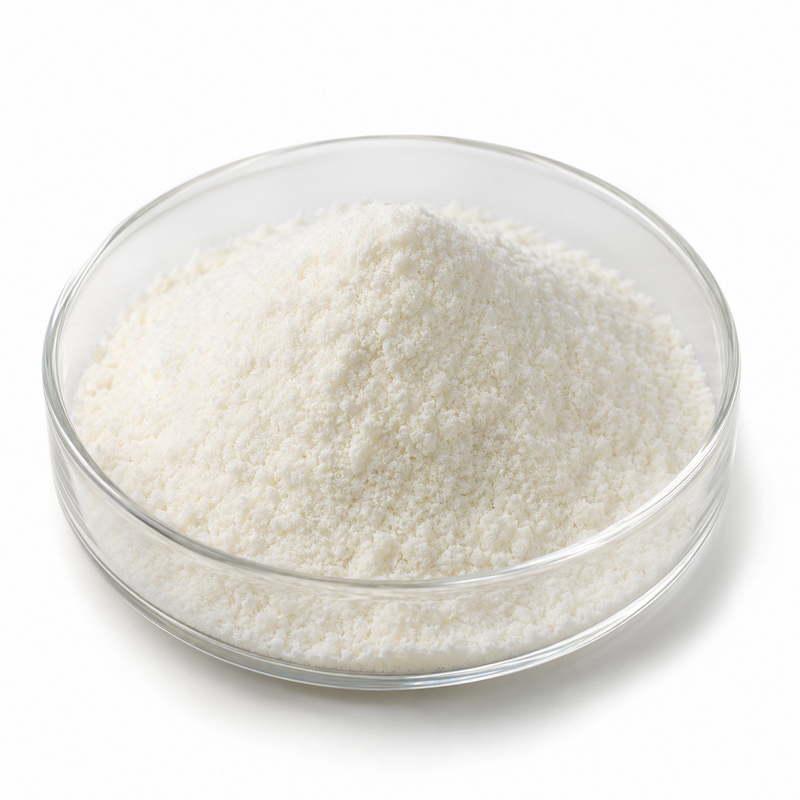
Most suppliers will hand over a short-term chart or a forced-degradation summary and call it stability data. That rarely tells you what happens after months on a shelf, inside actual packaging, at fluctuating warehouse temperatures. You usually have to ask directly for the later pull points, the real-time condition logs, and any out-of-specification results that were set aside.
The more revealing numbers are often buried in appendices: batch-to-batch drift, shifts in related substances, moisture uptake, or changes in dissolution after transport. If a vendor is reluctant to show those, treat the omission as a signal. A clean one-page summary is easy to produce; a complete stability file is harder to fake.
Traceability Questions That Expose Supply Gaps
Most supply chains look solid until someone asks where a specific batch actually went. Tracing one component through every handoff often shows that records stop at the warehouse door, skip a subcontractor, or quietly change part numbers mid-flow. The questions that matter are not broad ones about having traceability; they are narrower: which lot numbers were blended, which line ran which order, and who signed off when the scanning system was down. Those small details are where the gaps tend to sit.
A handful of pointed questions can pressure-test a system faster than a standard audit. Ask when the team last simulated a recall and whether they could rebuild the full distribution path in under four hours. Ask whether every supplier uses the same identifier or whether codes get remapped somewhere between the dock and the production floor. Ask what happens to a batch that is split, repacked, or sent back. If the answer depends on one person's memory or a spreadsheet nobody else can explain, the traceability is more of a story than a working record.
The point of asking is not to assign blame. Naming a gap, such as a third-party warehouse that logs dates but not locations or a co-packer whose internal codes do not connect to the brand's system, is the first step toward fixing the data flow. That work becomes far easier when it happens before a recall rather than during one.
How They Handle a Failed Batch or Recall
A failed batch rarely triggers panic in their facility. The first thing the team does is lock down the lot number and pull every related record, from raw material invoices to the exact shift that ran the line. There is no finger-pointing at this stage, just a quiet race to map the scope before anyone outside the building has to be notified.
If the problem can be traced to a specific ingredient or a machine calibration drift, the fix happens fast. But when the cause stays unclear, they hold the entire batch in quarantine and run a second, more aggressive round of testing. Every hour of delay costs money, yet rushing a questionable product back into circulation is never treated as an option.
For a full recall, the tone shifts from investigation to direct action. Customers get a clear, factual notice without corporate hedging, and the company sets up a dedicated return line rather than hiding behind a generic contact form. What stands out is how they document everything for regulators and then circle back weeks later to show which process changes actually stuck.
Who Owns the Regulatory Paperwork Burden
The burden rarely sits where the regulation was drafted. It lands on the person who fills out the same form for the third time at a kitchen table after closing up shop. A small landscaping company with four employees has no compliance department, so the owner becomes the data entry clerk, the records keeper, and the person who worries about a missed filing deadline while scheduling next week's jobs. Larger firms carry the cost differently, but they still carry it through staff hours, software subscriptions, and the quiet drift of attention away from actual work.
There is also a second, less visible owner: the frontline employee who collects information under pressure and the customer who waits while it is verified. In health clinics, nurses and receptionists spend part of each shift on forms that have little to do with care. The paper burden becomes a tax on patience and on the human moment. Regulatory agencies own a share too, because someone must process, store, audit, and defend the data long after it has been submitted.
The harder question is not whether paperwork exists, but whether its weight is distributed on purpose. Too often the cost falls on those with the fewest buffers, while the benefits remain diffuse and hard to see. Owning the burden should mean owning decisions about how much information is truly needed, who can realistically provide it, and when a shorter path would serve the public better. Absent that, the default owner will always be the person least able to push back.
The Lead Time Red Flag Worth Probing Early
A quoted lead time that moves from two weeks to three may not look like much on a spreadsheet, especially when procurement teams are juggling dozens of parts. But the direction and timing of the change matter more than the size. When the extra days appear right after a quote revision, or when the supplier cannot say which process step needs the buffer, that is exactly when a short call is worth making. Early probing tends to reveal whether the vendor is protecting itself against unreliable raw material deliveries, managing internal bottlenecks, or quietly accepting orders it cannot really schedule.
The most useful question is rarely whether they can do better; it is where the extra time came from. A supplier that answers with a clear, itemized breakdown usually has control of its planning. One that responds with vague references to market conditions or capacity without specifics often has a deeper problem that will resurface later. Confirming that the revised date is tied to an actual production slot, rather than a rough estimate, is a low-cost way to prevent a small delay from turning into a late customer shipment.
FAQ
We ask for real shelf-life records from formulas similar to ours, along with challenge test results at multiple pH levels. A supplier that only offers theoretical curves or a single model system usually has not spent enough time in actual production environments.
We want to know the country of origin, the harvest window, and whether they have a second qualified supplier already approved. If the answer is vague about backup sourcing, a seasonal shortage can quietly force a reformulation.
We expect a complete package: composition, allergen statements, residual solvent data, and any regional restriction notes. If we have to chase the technical team for basic paperwork, that friction tends to continue once we are in the middle of production.
A practical partner will run compatibility screens in our base instead of blaming the formula. We look for people who offer adjustment guidance, not just a replacement recommendation.
We need a clear breakdown of carriers, processing aids, and any non-botanical fractions. Some blends sound natural but contain synthetic boosters, so we ask for full disclosure before committing.
We request batch certificates for several consecutive production runs, not just one golden sample. Consistent preservation with botanical inputs is harder than with synthetics, so the quality system matters more than the marketing story.
We want a named technical contact and a defined investigation process. A supplier that disappears after the first purchase order is not a partner; they are just a vendor.
Conclusion
A natural preservative supplier can sound convincing on a discovery call while leaving the harder operational questions unanswered. Before committing, ask what "natural" actually means on their spec sheet: origin of the feedstock, extraction method, residual carriers, and whether the blend is standardized for active compounds. That matters less than the stability data they rarely volunteer. Request challenge tests and real-time shelf-life results from formulas that resemble yours in water activity, pH, and packaging, because a preservative that survives an oil-based serum may fail in a high-water cream. Traceability questions expose supply gaps quickly. Ask for batch-level documentation linking the preservative to a specific harvest, processing facility, and transport lane, and find out how they manage seasonal variation or a failed supplier audit.
The way a company handles failure is more telling than its sales deck. Get a concrete description of their failed batch investigation process, how they communicate a recall, and who covers the cost of testing and disposal. At the same time, clarify who owns the regulatory paperwork burden in each country where you sell. Some suppliers provide documentation only for the raw material, leaving you responsible for finished product safety substantiation and label compliance. The lead time red flag deserves attention early as well. Ask what happens to delivery promises when a botanical harvest is short, a certification renewal stalls, or a key shipment is held at customs. If those answers are vague or shifted back to your team, the partnership may create more reformulation risk than it removes.
Contact Us
Contact Person: TANG JUN
Email: [email protected]
Tel/WhatsApp: +86-523-87608619
Website: https://www.zipinbiotech.com