

ODM Facial Cupping Cups Are the At-Home Beauty Tool You Need for Firmer Skin
2026-11-25
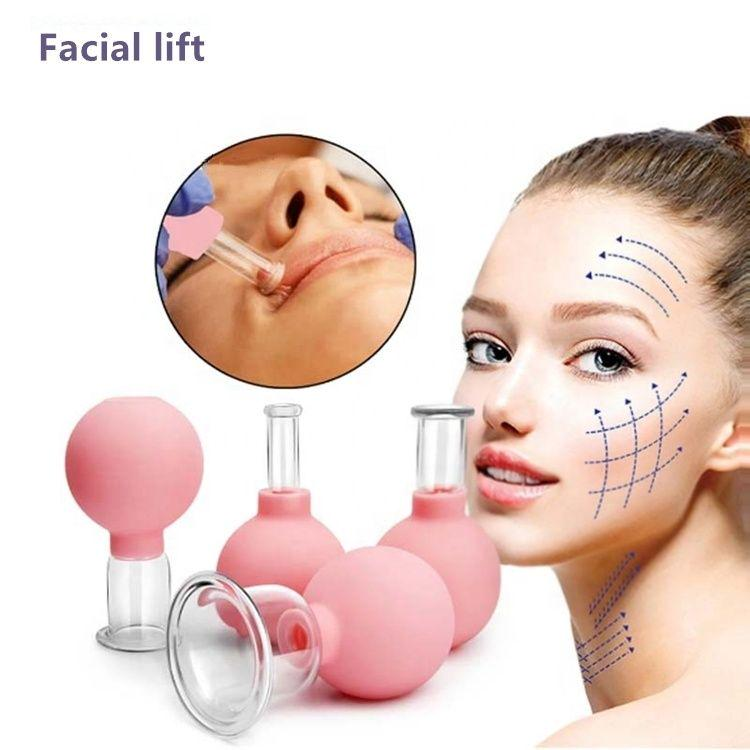
If your skin is starting to look less firm than it did last year, you don’t need another complicated gadget or an extra hour in front of the mirror. Facial cupping has quietly become one of the easiest ways to bring back that lifted, awake look at home—and not all cups are made equal. HAOSHUFU ODM facial cupping cups are built for real routines, balancing suction, shape, and durability so you can target puffiness and sagging without overthinking it. Here’s why they might be the missing step in your skincare lineup.
What Your Skin Gets From Cupping That Your Fingers Can't Copy
Fingers can press, knead, and glide across the surface, but they cannot lift the skin away from the tissue underneath. Cupping does exactly that. The vacuum draws the upper layers upward, creating space between skin, fascia, and muscle. That space is where stuck movement starts to change. It is not about pressing harder; it is about giving tissue enough room to shift without force.
The suction also moves fluid in a way manual work cannot reproduce. Blood and lymph gather beneath the cup, triggering a local response that increases circulation and helps clear stagnant waste. Tissue that has been holding tension for too long receives fresh oxygen, and the skin begins to feel less congested and more responsive to movement.
There is also a sensory difference. The steady, even pull of the cup sends a quieter signal to the nervous system, often allowing muscles to release without the guarding that can follow deep finger pressure. The skin becomes more pliable, and the marks that sometimes appear are not simple bruises but a sign of old fluid being brought to the surface where the body can process it.
The Lightest Suction Setting Is Often the One That Actually Works
Cranking the suction to maximum feels like the obvious move, but on a lot of floors it just makes the head stick and the brush roll struggle. A lower setting lets the roller actually spin against the surface instead of clamping the intake to it, which means the bristles can flick dust and hair out of the gaps instead of dragging the whole unit forward.
On hard floors, full suction tends to push debris around or send it skittering away from the nozzle before it gets pulled in. Dialing it down gives dust and crumbs a chance to ride the airflow in rather than being blasted sideways. The same applies to lightweight rugs and bath mats, where high suction can lift the fabric and choke the airflow completely.
Start with the lowest setting that still moves visible debris, then bump it up only if you hear the motor laboring or see strands left behind. More often than not, the lighter setting cleans faster because the tool stays moving and the airflow remains steady.
A Five-Minute Jaw and Cheek Sequence Before Your Serum
Start with the hinge of the jaw, just below your earlobes. Use your middle and ring fingers to press into the masseter in slow circles, then drag the pressure down along the bone toward your chin. It should feel like a dull, releasing ache rather than a sharp pain. Repeat that path three times before switching to upward sweeps from the chin toward the ears to wake up the lower face.
Move to the cheeks by placing your thumbs inside your mouth, one at a time, and pinching the tissue between thumb and knuckle on the outside. Work from the corner of the mouth up toward the cheekbone in small, deliberate squeezes. If that feels like too much, keep your hands on the outside and use the length of your index fingers to lift from the sides of the nose toward the temples. Either version brings heat and movement to areas that tend to hold tension or excess fluid.
By the time your skin feels slightly warm and more pliable, you are ready for serum. Apply it while the face is still flushed from the work, pressing rather than rubbing so the product follows the paths you have just opened up. This is less about sculpting and more about giving your serum a clearer, softer surface to sink into.
The Fine Line Between a Healthy Flush and a Bruise
A flush arrives with heat and fades like a passing thought, usually mirroring exertion, emotion, or a quick sip of something warm. A bruise, by contrast, lingers at the surface with a deeper, bluish undertone and tells a story of impact rather than circulation. The real giveaway is often the texture and timing: flushes feel warm but smooth, while bruises tend to be tender when pressed and can shift color over days instead of minutes.
Where things get tricky is when broken capillaries or faint pressure marks mimic the look of a healthy glow. If the redness blanches under gentle pressure and returns quickly, it is more likely tied to blood flow. If it stays put, darkens at the edges, or follows the outline of a grip or bump, the skin is probably processing a minor injury rather than simply reacting to heat.
Watching how the mark behaves over the next hour helps settle the question without overthinking. A healthy flush cools and disappears as the trigger does, while a bruise may feel dull or sore and develop a yellowish-green cast before finally clearing. Neither is usually cause for alarm, but knowing which one you are looking at makes aftercare simpler and a lot less guesswork.
How to Stop the Cups From Dragging on Dry Skin
Dry skin creates friction at the rim long before you feel the cup catch, so the fix starts with a proper glide layer. Warm a few drops of massage oil, jojoba, or a light lotion between your palms and press it into the area until the skin looks soft but not slick. You want enough slip for the cup to move without grabbing, but not so much that it slides around on its own.
The way you hold the cup matters just as much as what’s on the skin. Keep the cup slightly tilted and let the suction do the work instead of pressing down hard; extra downward pressure only digs the edge into dry patches. Move it in short, slow passes, and if you feel resistance or hear the skin tugging, break the seal, add a little more moisture, and start again rather than pushing through.
Once you finish, wipe away the remaining oil and follow with a fragrance-free moisturizer while the skin is still warm. This helps keep the barrier from tightening up between passes and makes the next session feel smoother from the start.
Cup Size Matters More Than You'd Expect on the Face
Facial cupping tends to go sideways when the cup is just a little too big for the area it sits on. The skin around the eyes and across the cheekbones has almost no padding underneath, so a wider rim pulls tissue from two different planes at once. The result is not a deeper treatment; it is a flushed, overstretched look that lingers around the orbital bone.
On the other end, a cup that is too small turns suction into a pinched ring. You feel the edge more than the lift, and the jaw or forehead can show circular marks long after the session. Spending a minute sizing the cup to the curve of the face does more than prevent bruising: it lets the glide stay smooth and the pressure stay useful.
FAQ
They’re small silicone cups designed for gentle suction on the face and neck. Unlike body cupping sets, these have a softer pull and are sized to follow facial contours without leaving intense marks.
The suction draws blood to the surface and encourages circulation. Over time that extra flow can plump the area, soften tension, and make the skin look more lifted and awake, though it works best when done consistently.
Yes, as long as you keep the suction light and keep the cups moving. Glide them over a serum or oil so they don’t tug, and avoid broken skin, active breakouts, or areas with fillers.
Two or three times a week is plenty for most people. If your skin tends to be sensitive, start once a week and see how it responds before adding more days.
They shouldn’t. You’ll feel a light pulling sensation, but not pain. If a cup feels like it’s pinching, release the pressure and re-suction with a gentler squeeze.
Cleanse first, apply a facial oil or slippery serum, then move the cups upward and outward from the center of the face. Keep each pass short, around three to five strokes per area, and follow with moisturizer.
The design leans toward beginner-friendly use. The cups are soft, easy to control, and sized to reach areas like the jawline and under-eye without excessive suction.
Conclusion
Facial cupping sounds intense until you realize the real trick is restraint. Unlike your fingertips, the cups create a sustained lift that pulls skin away from the muscle for a few seconds, encouraging circulation and a smoother look without pressing and dragging. The lightest suction setting tends to do the most because stronger pull quickly turns a healthy flush into something closer to a bruise. I use the small silicone cups on damp, serum-coated skin and glide them slowly upward along the jaw and cheeks for about five minutes before pressing in the rest of my routine.
If the cup starts to skip or tug, add more slip rather than more pressure; dry skin ruins the effect. Cup size also changes the result: a smaller cup handles the hollows under the cheekbones and around the jaw, while a slightly larger one covers flatter areas like the forehead or the sides of the neck. The goal is a warm, even tone, not marks, so stop as soon as one area looks more red than flushed. That combination of gentle suction, the right cup size, and a short pre-serum sequence gives the firming effect fingers alone cannot copy.
Contact Us
Contact Person: Wang Chong Fong
Email: [email protected]
Tel/WhatsApp: 8618926872832
Website: https://www.dgxiangqin.com