

ODM Garment RFID Labels: Transforming Inventory Management for Apparel Brands
2026-05-20
Imagine a world where every garment tells its own story—where it’s been, when it arrived, and exactly where it belongs on the sales floor. For apparel brands drowning in inventory chaos, this isn’t a fantasy; it’s the quiet revolution powered by ODM garment RFID labels. At the heart of this shift is OSRFID, turning ordinary stockrooms into hubs of real-time visibility and precision. But what does it take to untangle decades of supply chain knots with a tiny tag? Let’s unravel the thread that’s reshaping how brands track, manage, and sell.
Instant Inventory Counts in Seconds, Not Days
Manual inventory counts have long been a bottleneck for warehouses and retail stores, often demanding full shutdowns that stretch on for days. Teams spread out with clipboards and scanners, working overtime to reconcile what the system says with what’s actually on the shelf. The process is not just slow—it’s prone to fatigue-induced mistakes that ripple through ordering and fulfillment for weeks.
A combination of fixed sensors, RFID tags, and lightweight computer vision now does the same work in seconds, without interrupting daily operations. Shelves and bins report their own contents automatically, while algorithms cross-check movements in real time. The result is an always-accurate view of stock that updates with every pick, putaway, or return.
Shifting to instant counts means planning teams finally work with live data instead of stale snapshots. Replenishment triggers become precise, overstock situations drop off, and the tedious cycle of full physical inventories becomes a thing of the past. Staff reclaim hours once lost to counting, focusing instead on customer-facing tasks that actually grow the business.
Eliminating Manual Errors with Automated Tracking
Manual tracking often feels like juggling fragile items blindfolded—one slip and the damage is done. Each keystroke, copy-paste action, or spreadsheet update carries the risk of introducing an error that can ripple through downstream processes. Automated tracking sweeps away these risks by capturing and recording data in real time without human intervention. It transforms a chaotic chain of manual steps into a seamless, invisible thread that reliably links every action to its outcome.
Beyond simple data capture, automation introduces a layer of validation that catches inconsistencies on the fly. For instance, when equipment logs usage data or inventory moves from one location to another, the system instantly cross-checks entries against predefined rules and flags anomalies before they become costly mistakes. This proactive error detection means fewer late-night reconciliations and more confidence in the figures that guide critical decisions.
Ultimately, automated tracking fosters a culture of accuracy where teams spend less time firefighting and more time refining their craft. When people trust the data at their fingertips, they spot subtle trends faster and respond to shifts with agility. The result isn’t just a reduction in mistakes—it’s a steady uplift in consistency, clarity, and peace of mind across the entire operation.
Real-Time Visibility Across Every Store and Warehouse
Imagine watching your inventory move in sync across all locations, as if each item had its own heartbeat. Our system surfaces that pulse instantly—whether a shipment just landed at a mall kiosk or a pallet shifted in a regional hub, you see it the moment it happens. No more guessing games or lagging reports that leave you a step behind customer demand.
This isn’t a dashboard overloaded with every possible metric. Instead, we cut through the noise and surface the few critical signals your team actually needs: stock that’s about to run out, deliveries that veer off schedule, or a sudden spike in returns from a single site. Managers on the ground and executives at headquarters stay aligned on what matters right now, not what mattered yesterday.
Blending offline and online inventory into one view changes how decisions get made. When a customer orders online and picks up in-store, the system instantly recalculates counts everywhere, so you never accidentally sell an item twice. It’s the kind of quiet efficiency that builds trust with customers and takes pressure off your operations teams, letting them focus on growth instead of firefighting.
Preventing Loss and Theft with Smart Tagging
A tiny tag attached to a bag or keychain might seem like a simple gadget, but its real power lies in the quiet reassurance it offers when things go missing. Instead of retracing your steps in a panic, a quick check of your phone shows the last known location, often accurate to within a few meters. It’s a small shift in behavior that turns a stressful scramble into a matter of minutes.
The tracking network behind these tags is what makes them surprisingly effective. When you mark an item as lost, every nearby device in the community silently picks up the tag’s signal and relays the location back to you—privately and automatically. This means that even if your wallet is left on a bus or tucked under a café cushion, the system can often lead you right to it before anyone even realizes it’s there.
Security features have also evolved to keep unwanted tracking at bay. If an unfamiliar tag is traveling with you over time, a notification pops up on your phone, and in some cases, the tag itself emits a sound to help you locate it. This dual-purpose design—protecting your belongings while preventing misuse—makes smart tagging a practical, low-effort approach to everyday loss prevention.
Data-Driven Decisions That Boost Profit Margins
Shifting from intuition to insight transforms how businesses protect and grow their margins. By tracking granular operational metrics—like cost per acquisition, inventory turnover rates, and customer lifetime value—teams can spot inefficiencies that silently eat into profitability. Instead of guessing which products to promote, leaders can use real-time sales data to double down on high-margin offerings and discontinue underperformers before they drain resources. This approach turns raw numbers into actionable strategy, ensuring every decision is backed by evidence rather than hunches.
Advanced analytics tools now make it possible to model scenarios with precision, revealing the true impact of pricing changes, supplier negotiations, or marketing spends. When a company experiments with dynamic pricing or bundles, the data reveals exactly how demand and margin shift in response—no more relying on broad market assumptions. These insights create a feedback loop where small adjustments are continuously tested and refined, steadily lifting profitability without major overhauls. The key is embedding this analytical mindset across departments, so procurement, sales, and finance all operate from the same set of verified signals.
Seamless Integration Without Disrupting Operations
Integration projects often carry the fear of downtime, but the right approach can make the transition invisible to end users. By leveraging asynchronous replication and phased cutover strategies, new systems can run in parallel with legacy ones, allowing data to synchronize quietly in the background. This means no overnight scrambles, no “system maintenance” notices, and no lost transactions—just a gradual, comfortable handover that feels like business as usual.
The secret lies in modular, API-first design that treats existing workflows with respect. Instead of demanding a full rip-and-replace, modern connectors plug into the current stack like an add-on, not a disruption. Teams can test and refine each component independently, catching edge cases before they reach production. The result is a non-linear migration where stability never takes a back seat, and the only clue anything changed is a new set of capabilities quietly appearing in the toolbox.
FAQ
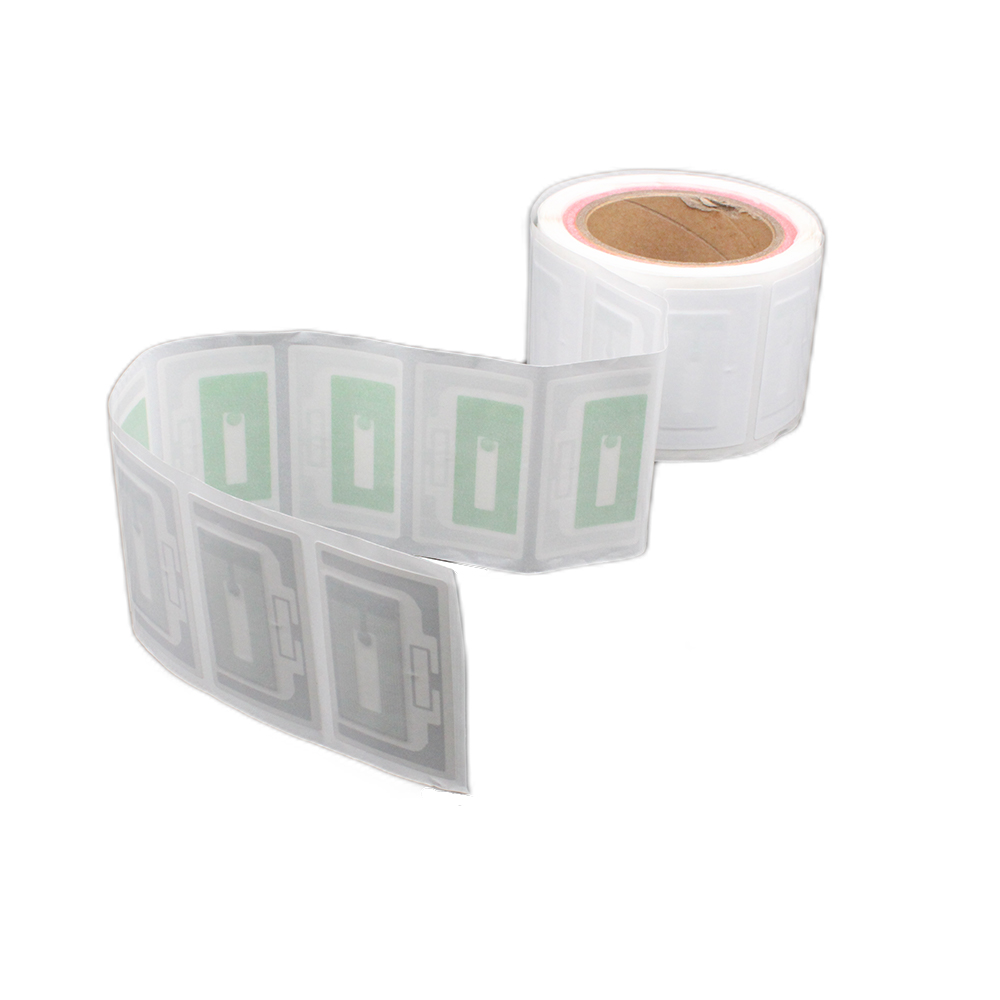
ODM garment RFID labels are specialized radio frequency identification tags designed and manufactured by original design manufacturers specifically for apparel. Unlike standard barcode tags that require line-of-sight scanning, these labels can be read in bulk without direct visibility, and they are often customized to withstand washing, stretching, and the rigors of the supply chain.
Speed and accuracy are the main drivers. A single RFID reader can capture hundreds of items in seconds, cutting stock-taking time by over 90% compared to manual barcode scanning. This real-time visibility drastically reduces out-of-stock situations, prevents overstocking, and gives brands a clear picture of what's actually on the floor, not just what the system thinks is there.
It transforms everything from receiving shipments to fitting room analysis. Staff can instantly verify incoming deliveries without opening every box, conduct cycle counts during business hours with minimal disruption, and even track which items are frequently tried on but not purchased. This data feeds into better replenishment decisions and helps store associates become more consultative rather than spending hours counting stock.
Absolutely. ODM providers engineer garment tags with robust materials like TPU or silicone that bond seamlessly to the fabric and withstand high temperatures, harsh detergents, and mechanical pressure. The chips are typically EPC Gen2 compliant and can endure over 200 wash cycles without signal degradation, making them ideal for rental uniforms, healthcare scrubs, and hotel linens.
From cutting and sewing factories to distribution hubs, each tag creates a digital thread. Brands can monitor work-in-progress at contract manufacturers, authenticate products to combat counterfeiting, and automatically generate shipping manifests. This granular traceability helps enforce ethical sourcing commitments and quickly isolate defective batches before they reach customers.
Expertise in textile integration is critical—look for a partner who understands fabric stretch, seam placement, and care label regulations. They should offer inlay design flexibility to match different item shapes, provide reliable read rates on challenging materials like denim or leather, and have the capacity to deliver consistent quality across millions of units. Compliance with ARC and other industry standards is a good starting point.
The return on investment scales to businesses of all sizes. While large retailers gain millions in loss prevention and labor savings, smaller boutiques benefit from features like instant inventory reconciliation across pop-up locations, theft alerts triggered by tags passing through exits, and personalized loyalty programs linked to item interaction history. The per-tag cost has also dropped significantly, making it accessible for limited-edition collections.
Conclusion
In the fast-moving world of apparel, traditional inventory methods often buckle under the weight of massive SKU counts and distributed supply chains. ODM garment RFID labels flip this script by turning a days-long stock audit into a matter of seconds. With a single sweep of a handheld reader, entire racks are counted instantly, freeing up staff to focus on customer experience rather than backroom chores. This speed eliminates the manual keying errors that have long plagued spreadsheets, replacing guesswork with automated tracking that catches every piece from factory floor to fitting room. The result isn’t just accurate numbers—it’s a live, breathing view of what’s on hand, what’s on the move, and what needs to be reordered before the shelf goes bare.
Beyond the count, these smart tags inject real-time visibility into every store and warehouse, stitching together a unified inventory narrative. RFID acts as a silent watchdog, drastically cutting loss and theft by alerting teams the moment an item strays off course. This constant stream of location data feeds into sharper, data-driven decisions: brands can pinpoint which styles are languishing, which are flying off shelves, and how to reallocate stock for maximum margin. Integration is surprisingly painless, weaving into existing point-of-sale and ERP systems without grinding operations to a halt. By embedding intelligence directly into the garment label, ODM RFID technology quietly rewires inventory management from a reactive scramble into a proactive profit engine.
Contact Us
Contact Person: Esme Mo
Email: [email protected]
Tel/WhatsApp: 0086 191 2931 7837
Website: https://www.osrfidglobal.com/