

OEM Car Floor Liners Deliver the Perfect Fit and Lasting Protection
2026-11-21
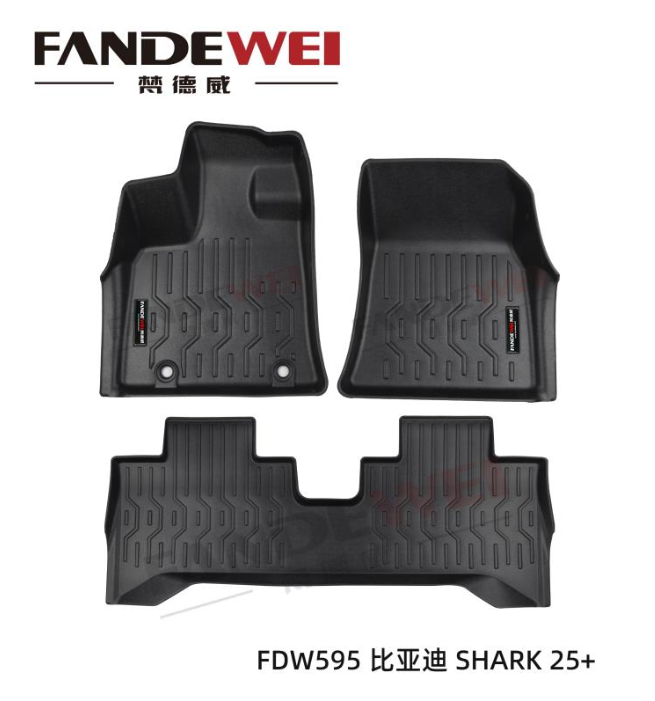
A loose or sliding floor mat is more than a nuisance—it’s a daily reminder that your car’s interior was never truly finished. OEM Car Floor Liners change that by hugging every contour of your footwell, so protection stays exactly where it belongs. Whether you’re tracking in slush, mud, or spilled coffee, the precision fit keeps messes contained and cleanup simple. And when you want liners built to handle real life without compromise, FANDEWEI delivers the kind of lasting protection that feels custom-made from day one.
How OEM Floor Liners Mirror Every Contour of Your Cabin
A well-made OEM liner begins with the floor itself. Instead of starting from a flat pattern, the mold is shaped from a digital capture of the bare floor pan, including the tunnel, seat mounts, and the slight rise near the door sill. That data gets baked into the forming tool, so the liner arrives already aware of where the floor curves upward or drops away.
The payoff shows in the cramped spots aftermarket mats usually approximate. The liner hugs the base of the dead pedal without creeping into pedal travel, leaves just enough clearance for the seat rails, and follows the firewall angle instead of bridging across it. Because the low channels sit where the floor actually channels liquid, slush and melted snow stay inside the liner rather than wicking under the edge. It is a fit that feels less like an added layer and more like the original surface was given a tougher skin.
Trim-to-Fit Pads Fall Short—Here’s What OEM Precision Does Instead
A pad that arrives with “almost fits” written into every edge usually means one thing: you are about to spend more time at the bench than behind the wheel. Trimming backing plates or shaving friction material to clear a bracket can throw off the contact patch, leave sharp edges that chatter, and introduce uneven wear that shortens service life. The few dollars saved on a cheaper part disappear once the caliper has to come apart a second time.
OEM-spec pads skip that improvisation entirely. They are shaped at the factory to match the original caliper, carrier, and retention hardware for a specific model, so the ears seat cleanly, the pad slides without binding, and the friction surface lines up with the rotor from the first stop. There is no bench grinder, no guesswork, and no compromise on the chamfers or slots that keep noise and heat in check.
What you are really buying is repeatability. With trim-to-fit parts, every installation becomes a small experiment in tolerance stacking; with OEM precision, the dimensions that matter are already locked in. That means shorter installs, calipers that stay cleaner, and braking behavior that stays consistent as the pads bed in and wear.
Daily Grime, Road Salt, and Spills Meet Their Match
Most entryways lose the battle against wet shoes, crumbs, and clumsy hands around the third week of January. The grime arrives in layers: fine dust first, then darker smears near the door, then little piles of grit that no one remembers tracking in. What makes the difference here is that none of it gets a chance to settle for long. A pass with a damp cloth lifts the top layer, and the surface underneath still looks like it belongs to the room rather than to the street.
Winter brings its own abrasive personality. Road salt clings to boots, melts into slush, and dries into pale crusts that usually demand real effort to remove. On this surface, those crusts stay on top instead of bonding. Warm water softens them enough that they slide off, and a quick towel pass handles the rest. No specialty sprays, no endless scrubbing, just a simple reset before the next round of weather.
Spills happen in the middle of a conversation, during a rushed breakfast, or right as the dog decides the doorway is a launchpad. The moment matters less when the liquid stays put. Rather than soaking through immediately, most spills bead or pool long enough to be caught. That pause is the whole game. It turns a potential stain into a five-second cleanup.
Raised Side Walls Keep Liquids From Reaching the Carpet
The raised edges along the sides of these floor mats do more than just look structured—they form a shallow basin that keeps melted snow, spilled coffee, and muddy water from sliding off onto the carpet. Instead of soaking into the fibers and leaving behind stains or musty odors, liquid stays contained until you're ready to dump it out.
During wet seasons or after messy jobs, that built-in lip makes a noticeable difference. You can step in with damp boots, and the water pools in the mat rather than spreading toward the door sill or under the pedals. It's a small design detail that protects the underlying carpet from long-term wear and discoloration.
Cleaning is also more straightforward because the raised walls keep debris from scattering. A quick lift and tilt lets you pour out the collected liquid, then wipe the surface dry. For anyone who deals with rain, snow, or frequent spills, this containment feature saves time and keeps the vehicle interior noticeably cleaner.
Materials That Stay Flexible in Cold and Stable in Heat
Most polymers turn brittle once temperatures drop because their molecular chains lose the small-scale motions that absorb impact. Silicone-based compounds sidestep this by using a silicon-oxygen backbone, which rotates far more freely than a carbon chain even at -40°C, while keeping enough crosslink density to avoid creep when the same part sees engine-bay heat.
The harder balance appears in parts that must survive both extremes without a change in feel. Blends of ethylene acrylic elastomer with carefully chosen plasticizers work well for cable jackets, but the plasticizer choice matters more than the base resin. High-molecular-weight esters stay put in cold weather instead of separating, and they resist volatilizing at sustained temperatures around 150°C.
For seals and gaskets, a better route is often a dynamically vulcanized thermoplastic elastomer. The rubber phase is crosslinked during melt mixing, so it keeps elastic recovery in winter while the thermoplastic phase holds dimensions when temperatures climb. Pairing that structure with a narrow molecular weight distribution helps avoid sticky surfaces in summer and stiff spots in ice water.
The Built-In Look That Aftermarket Options Struggle to Copy
There is a particular confidence to the way the original bodywork meets the glass, the trim, and the wheels. It is not just a matter of panel gaps or paint depth, though those play their part. The factory design carries a full set of visual decisions that were locked in before the first prototype ever turned a wheel. Aftermarket pieces, no matter how well moulded, usually end up looking like guests at a party where everybody else grew up together.
Watch how the light runs along the lower sill, or how the front bumper pushes its mass outward before tucking back toward the tyre. Copying that shape in a mould is the easy part. Matching the grain of the black plastic, the slight radius on an edge, or the way a surface reflects a city street at dusk is much harder. These are small things, but together they give the vehicle a settled stance that bolt-on alternatives rarely achieve.
That is why so many modified examples feel restless. A new diffuser or side skirt can sit proud of the original lines, breaking the shadow that the designer intended to leave uninterrupted. The original specification may not shout, but it holds together over time. That built-in look is not about one dramatic piece; it is about everything agreeing with everything else before you even notice why.
FAQ
They are molded from digital scans of the actual floor pan, so every contour, anchor point, and tight corner is built into the shape. There is no trimming or hoping a generic rectangle will stay in place.
The raised outer edges keep liquids and debris on the liner instead of letting them run into the carpet. Most spills just puddle on the surface and can be wiped up without soaking through.
Not really. They drop onto the factory anchors or clips and stay put once they click in. Removal takes a few seconds when you need to clean them, and you don't need tools or seat adjustments.
Quality OEM liners are made from rubberized polymers or similar flexible materials that resist cracking in freezing temperatures and recover their shape after being bent. Heavy salt and grit won't grind them down the way they do carpet fibers.
Yes, because they block moisture from reaching the underlying carpet and padding. That reduces the damp, musty odor that often develops after repeated exposure to wet shoes and snow.
In most cases, yes. Pull them out, rinse off the dirt with a hose, use mild soap if needed, and let them air dry. They won't trap water or sour smells like soaked carpet can.
A properly designed OEM liner won't. It follows the factory contours and locks into the original anchors, so it stays clear of the accelerator, brake, and seat hardware. That secure fit is a major safety benefit over loose aftermarket mats.
For most owners, yes. Cheap mats often need replacing every year or two, while a well-made liner keeps the original carpet protected for the life of the vehicle. The upfront cost usually pays for itself in reduced wear and easier upkeep.
Conclusion
The difference between a liner that simply sits on the floor and one that really belongs to the vehicle comes down to how it follows the space. OEM floor liners are mapped from actual cabin data, so they wrap around the seat tracks, follow the transmission tunnel, and stay clear of pedal travel in a way generic trim-to-fit mats never can. That precision means no awkward gaps or bunched edges where dirt can slip through. It also means the liner stays put underfoot, which matters more than people expect when shoes are wet or muddy. Raised side walls add another layer of defense, catching melted snow, spilled coffee, and road salt before they reach the carpet. Because the edges rise along the footwell contours, liquids pool on the liner’s surface instead of bleeding into the fibers underneath.
Material choice matters just as much as shape. Good OEM liners are made to stay flexible in freezing temperatures and firm, not soft or sticky, when summer heat builds inside a parked car. That stability keeps the liner from curling at the corners or losing its grip on the retention points. Daily grime does not get a chance to grind into the carpet, and cleanup tends to be faster because the surface is made for wiping or rinsing rather than scrubbing. There is also a visual side to it. The liner follows the cabin’s trim lines and fits tightly around the sill plates, so it reads as part of the interior instead of an accessory dropped on top. Aftermarket options often try to copy that built-in look with generic shapes and wider tolerances, but the result usually feels slightly off, either too high at the door edge or too short near the firewall. With OEM liners, the subtle alignment is already there, and that is what keeps the cabin looking intentional season after season.
Contact Us
Contact Person: Jet
Email: [email protected]
Tel/WhatsApp: 8619903745266
Website: https://www.fandewei.com/