

Optimizing Production Efficiency with Advanced Strip Rolling Mills
2026-01-26
In the competitive world of metal production, efficiency isn't just a goal—it's a necessity. Imagine transforming raw strips into precision-engineered products with unparalleled speed and accuracy. This is where advanced strip rolling mills come into play, revolutionizing how industries meet demanding specifications. At GRM, we've harnessed cutting-edge technology to push these boundaries further, ensuring every roll counts toward peak performance. Curious about how modern mills can elevate your operations? Dive in as we explore the game-changing innovations that are setting new standards in production efficiency.
Enhancing Output through Precision Strip Rolling Technology
Precision strip rolling technology represents a transformative approach to manufacturing thin metal strips, where meticulous control over rolling parameters ensures consistent thickness and superior surface finish. This method leverages advanced sensors and real-time feedback systems to adjust pressure, temperature, and speed dynamically during the rolling process. By minimizing deviations, it directly boosts production output while reducing waste from imperfect strips, making it a cornerstone for industries like electronics and automotive that demand high-precision components.
What sets this technology apart is its ability to handle a wide range of alloys, from stainless steel to copper, without compromising on quality or efficiency. Innovations such as automated tension control and predictive maintenance algorithms allow manufacturers to push throughput limits while maintaining tight tolerances. This not only enhances output volumes but also extends equipment lifespan, offering a competitive edge in fast-paced markets where speed and reliability are paramount.
Beyond mere production increases, precision strip rolling fosters sustainability by optimizing material usage and energy consumption. Its adaptability supports custom orders and rapid prototyping, enabling businesses to respond swiftly to changing demands. As industries increasingly prioritize both performance and eco-efficiency, this technology stands out as a key enabler for achieving higher outputs with fewer resources, reshaping how we think about modern manufacturing workflows.
Streamlining Operations with Automated Mill Control Systems
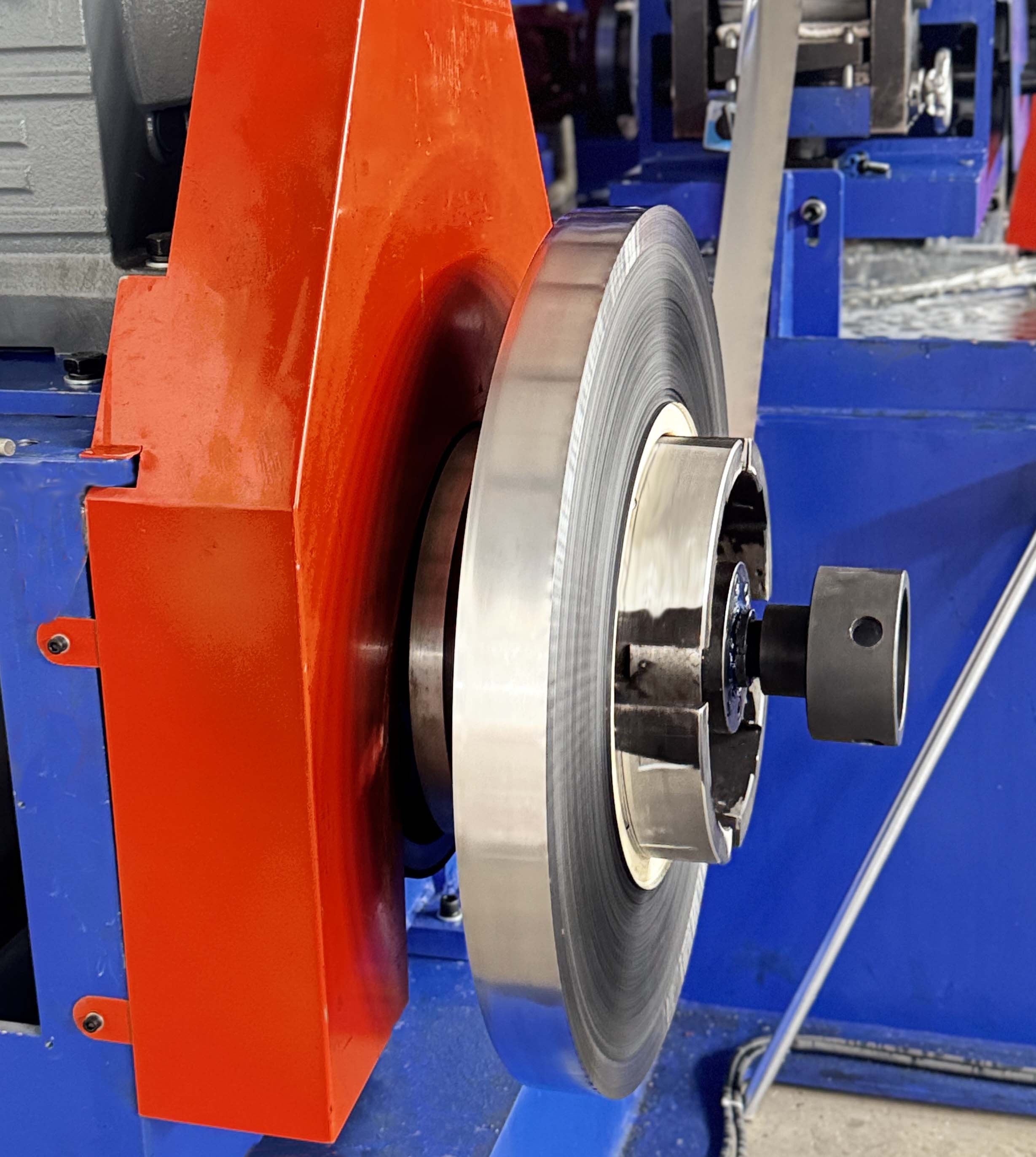
One of the most transformative advancements in industrial manufacturing is the deployment of automated mill control systems. By integrating sensors, software, and data analytics, these systems enable real-time monitoring and adjustment of milling processes, which significantly reduces manual intervention. For instance, in metalworking or paper production, operators can now rely on automated controls to maintain precise tolerances and optimize material usage, leading to fewer errors and less waste. This shift not only enhances product quality but also frees up human resources for more strategic tasks, fostering a more agile and responsive operational environment.
Beyond basic automation, modern systems leverage artificial intelligence and machine learning to predict maintenance needs and adapt to varying production demands. Instead of following static schedules, mills can dynamically adjust parameters based on incoming data, such as temperature fluctuations or material properties. As a result, downtime is minimized, and energy consumption is often reduced by up to 20%, offering substantial cost savings over traditional methods. Companies adopting these solutions report improved throughput and better resource allocation, making them competitive in fast-paced markets.
The impact extends to safety and compliance, as automated controls help mitigate risks associated with manual operations in hazardous environments. With features like remote monitoring and automated shutdown protocols, workers are less exposed to potential accidents, while regulatory standards are consistently met through precise record-keeping and reporting. Ultimately, implementing such systems streamlines mill operations by creating a seamless, data-driven workflow that prioritizes efficiency, safety, and innovation, setting a new benchmark for industrial excellence.
Reducing Material Waste via Advanced Rolling Innovations
In the quest to minimize material waste, advanced rolling technologies have emerged as game-changers in manufacturing. By refining the process of shaping metals and other materials into sheets or profiles, these innovations allow for more precise control, reducing the amount of scrap generated. For example, computer-controlled rolling mills can adjust parameters in real-time, ensuring that every inch of raw material is utilized efficiently, which not only cuts down waste but also boosts overall production yields.
One standout approach involves the integration of predictive analytics and IoT sensors into rolling operations. These tools monitor factors like temperature, pressure, and material flow, enabling operators to preemptively address issues that might lead to excess waste. By catching deviations early, manufacturers can maintain consistency in output, reducing the need for rework and saving valuable materials that might otherwise end up discarded.
Moreover, the adoption of customized rolling techniques, such as incremental or multi-pass rolling, has shown significant promise in waste reduction. These methods allow for gradual material deformation, minimizing stress and avoiding defects that often result in scrap. As industries increasingly prioritize sustainability, such innovations not only enhance economic efficiency but also contribute to a greener manufacturing footprint by conserving resources.
Improving Product Quality with Real-Time Monitoring Solutions
In today's competitive market, ensuring high product quality is no longer a luxury but a necessity for businesses aiming to maintain customer trust and operational efficiency. Real-time monitoring solutions offer a proactive approach to quality management by continuously tracking production processes and product performance as they unfold. By leveraging advanced sensors, IoT devices, and data analytics, these systems can detect anomalies, deviations, or potential defects instantly, allowing teams to intervene before issues escalate. This immediate feedback loop not only reduces waste and rework but also enhances overall product consistency, leading to fewer returns and higher customer satisfaction.
Unlike traditional quality checks that rely on periodic sampling or post-production inspections, real-time monitoring provides a dynamic, 24/7 view into every stage of manufacturing or service delivery. For instance, in a manufacturing setting, it can monitor variables like temperature, pressure, or assembly accuracy in real time, flagging any drifts from set standards. This continuous oversight helps identify root causes of quality lapses more swiftly, enabling data-driven decisions that improve processes over time. As a result, companies can achieve a more resilient supply chain and adapt quickly to changing demands without compromising on quality benchmarks.
Implementing such solutions doesn't just safeguard against defects; it transforms quality assurance into a strategic asset. By integrating real-time data with predictive analytics, businesses can forecast potential quality issues and preemptively adjust parameters, moving from reactive fixes to preventive measures. This shift fosters a culture of continuous improvement, where insights from monitoring feed into innovation cycles, helping refine product designs and operational workflows. Ultimately, adopting real-time monitoring empowers organizations to deliver superior products reliably, building a reputation for excellence that sets them apart in crowded markets.
Boosting Sustainability through Energy-Efficient Rolling Processes
Energy-efficient rolling processes are revolutionizing the manufacturing landscape, offering a direct pathway to enhanced environmental stewardship. By optimizing energy consumption in metal-forming operations, industries can significantly reduce their carbon footprint while maintaining high-quality output. This approach not only minimizes operational costs but also aligns with global sustainability goals, making it a smart investment for forward-thinking companies.
Implementing these advanced techniques involves deploying precision controls and innovative equipment designs that slash energy waste. For instance, modern rolling mills integrate smart sensors and automated systems to fine-tune parameters like temperature and pressure in real-time. Such optimizations lead to smoother, more efficient material processing, cutting down on unnecessary power usage without compromising on the integrity or performance of the final products.
Beyond immediate energy savings, energy-efficient rolling contributes to a circular economy by lessening the overall environmental impact of production. It supports resource conservation and reduces emissions, providing a competitive edge in markets where eco-conscious practices are increasingly valued. Adopting these methods doesn't just meet regulatory standards—it sets a new benchmark for industrial responsibility and innovation.
Integrating Smart Technologies for Future-Ready Production Lines
Imagine stepping into a factory where machines whisper data into the cloud, anticipating their own maintenance needs before a single bolt loosens. This isn't science fiction; it's the reality of integrating smart technologies to build production lines that adapt and thrive in an unpredictable world. By weaving together IoT sensors, AI-powered analytics, and robotic automation, manufacturers can create systems that learn from every cycle, optimizing energy use and material flow in real-time.
What truly sets these future-ready lines apart is their ability to pivot swiftly without human intervention. When a supply chain hiccup occurs, embedded AI algorithms can recalibrate workflows on the fly, sourcing alternative materials or rerouting tasks to keep output steady. This resilience transforms factories from static setups into dynamic ecosystems, where each component communicates seamlessly, reducing downtime and slashing waste by up to 30% in some pioneering cases.
Beyond efficiency, this integration fosters a culture of innovation, empowering teams to focus on creative problem-solving rather than routine monitoring. As production lines evolve into intelligent partners, they unlock new revenue streams through customisable, on-demand manufacturing—ensuring businesses not only survive but lead in tomorrow's competitive landscape.
FAQ
Key factors include precision control systems, automation of processes, and real-time monitoring to minimize downtime and ensure consistent quality.
They use adaptive rolling techniques and adjustable roll gaps to efficiently process a range of thicknesses from thin to thick strips.
Regular predictive maintenance, such as vibration analysis and thermal imaging, helps prevent breakdowns and extends equipment lifespan.
Yes, by incorporating energy-efficient motors and heat recovery systems, these mills can significantly lower power usage and operational costs.
Data analytics enables trend analysis and optimization of rolling parameters, leading to faster adjustments and reduced waste.
Modern mills feature enhanced safety protocols, like automated emergency stops and protective enclosures, reducing risks for operators.
Through connectivity with IoT devices and enterprise software, they allow for seamless data sharing and coordination across the production line.
Challenges include high initial costs, the need for skilled technicians, and potential resistance to change from traditional practices.
Conclusion
In the steel industry, advanced strip rolling mills have revolutionized production efficiency by integrating precision technology and automation. By enhancing output through high-precision strip rolling, these mills ensure uniform thickness and superior surface quality, reducing defects and downtime. Automated control systems streamline operations, allowing for seamless coordination between processes and minimizing human error, which boosts throughput and reliability. Moreover, innovations in rolling techniques significantly cut material waste, optimizing resource use and lowering costs. These improvements collectively drive a more efficient production line, setting new standards for operational excellence.
Beyond efficiency gains, advanced mills focus on enhancing product quality and sustainability. Real-time monitoring solutions enable continuous adjustments during rolling, ensuring consistent quality and quick response to deviations. Energy-efficient processes reduce power consumption, contributing to environmental sustainability and long-term savings. The integration of smart technologies, such as IoT and AI, creates future-ready production lines that adapt to market demands and predictive maintenance. This holistic approach not only improves overall efficiency but also positions facilities for competitive advantage in a rapidly evolving industrial landscape.
Contact Us
Contact Person: Rayna
Email: [email protected]
Tel/WhatsApp: 86 -173 1474 6343
Website: https://www.grmrollingmill.com/