

Polymer-Based Soil Stabilisers: The Future of Sustainable Construction and Erosion Control
2026-07-05
As the construction industry grapples with the environmental toll of traditional cement-based stabilisers, a quiet revolution is taking root beneath our feet. Polymer-based soil stabilisers are emerging not just as an alternative, but as the cornerstone of next-generation, eco-conscious infrastructure. At the forefront of this shift is MST, delivering bio-inspired polymer solutions that turn native soil into durable, erosion-resistant building blocks—without the heavy carbon footprint. The result? Roads that last longer, projects that cost less, and landscapes that stay intact. Dive in to discover how this chemistry is rewriting the rules of sustainable construction.
Rethinking Soil Stability: How Polymers Are Changing the Game
For decades, the standard approach to soil stabilization leaned on mechanical compaction or cement-based binders—methods that demand heavy machinery, high carbon footprints, and often fail in the long run against erosion and water damage. The real problem isn’t just stabilizing soil; it’s doing so without suffocating the ground’s natural ability to absorb and release moisture. That’s where polymer-based treatments flip the script entirely, offering a way to reinforce soil structure at a molecular level while keeping it breathable and flexible.
Unlike rigid cement or lime, polymer binders form a flexible, web-like matrix between soil particles, locking them together yet allowing the ground to move and settle without cracking. This means roads, slopes, and foundations last longer with less maintenance, especially in areas prone to heavy rainfall or freeze-thaw cycles. What makes it truly a leap forward is the tunable nature of these polymers—engineers can now adjust viscosity, curing time, and bonding strength to match specific site conditions, something that was simply impossible with one-size-fits-all conventional mixes.
On job sites, the shift is palpable. Instead of hauling in massive volumes of aggregate and binder, crews can often treat existing soil with a liquid polymer solution that’s simply sprayed and mixed in place. This cuts transport costs, reduces dust, and slashes overall project timelines. It’s not hyperbole to say that polymers are redefining what we consider “stable ground,” turning problematic soils into reliable construction platforms, all while being gentler on the environment than the cement-heavy techniques of the past.
Beyond Cement: The Eco-Friendly Shift in Ground Engineering
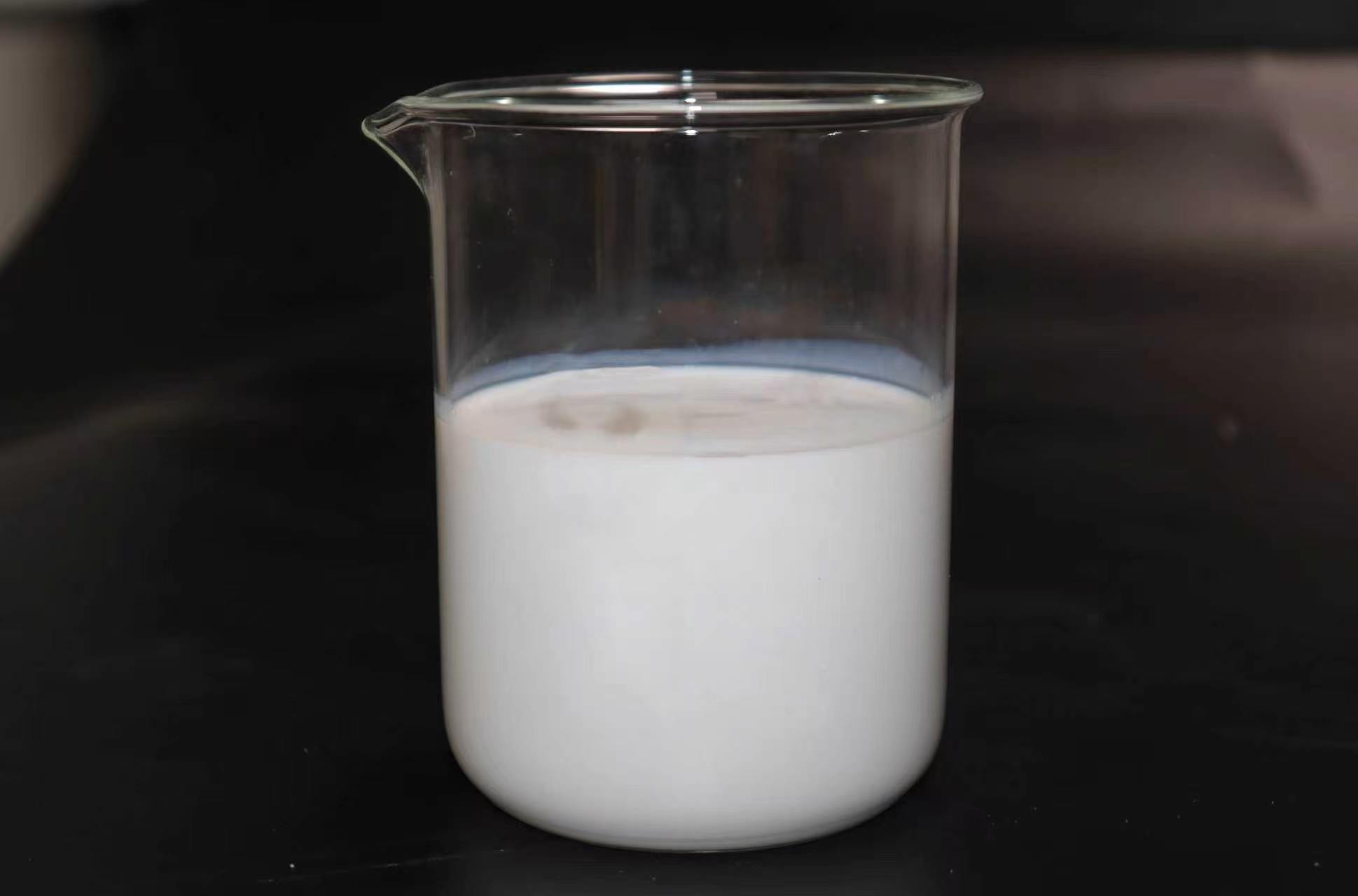
Traditional ground engineering has long leaned on cement as the backbone of stabilization and support, but its heavy carbon footprint is driving a quiet revolution. Alternatives like bio-cementation, which harnesses bacteria to naturally bind soil particles, and geopolymers derived from industrial waste are stepping into the spotlight. These methods don’t just replicate cement’s strength—they often improve upon it, offering reduced permeability and greater resistance to chemical attack, all while slashing the embodied energy of a project.
The shift goes deeper than swapping materials. It’s reshaping how engineers think about the ground beneath our feet. Instead of forcing the earth to conform to rigid, energy-intensive solutions, the new mindset works with natural processes. Fungi-based mycelium networks, for instance, can reinforce soil while sequestering carbon, and electrokinetic stabilization uses low-voltage currents to dewater and consolidate weak substrates without a single bag of cement. These techniques often require a more nuanced understanding of site-specific biology and chemistry, but the payoff is a living, breathing foundation that ages gracefully.
Adoption isn’t just a matter of idealism—economics and regulations are kicking the door open. As carbon taxes rise and building codes tighten, contractors are finding that these once-fringe methods can underbid conventional approaches on everything from remote roads to urban underpinning. The learning curve is real, but early movers are reporting faster curing times, minimal disruption to surrounding ecosystems, and a finish that blends seamlessly into the landscape rather than dominating it.
Erosion Defense: Nature-Inspired Solutions That Actually Work
We've spent decades fighting erosion with concrete walls and riprap, often ignoring the fact that nature already cracked this code millennia ago. Living shorelines, for instance, blend native grasses, oyster reefs, and graduated slopes to absorb wave energy rather than deflecting it downstream where it scours someone else's property. The plants' deep roots knit the soil together while their flexible stalks bend under storm surges, reducing impact forces by up to 90% compared to bare banks. It's not just soft engineering—it's a design language borrowed from coastal marshes that have weathered hurricanes since long before we started mapping coastlines.
What's rarely discussed is how these systems self-maintain and adapt. A well-established willow fedge (a fence made of living willow stakes) doesn't just hold a streambank; it grows denser every year, its root mass expanding laterally while the lattice structure catches silt and gradually terraces the slope. In arid regions, people are rediscovering qanat-style drainage coupled with deep-rooted shrubs like vetiver, which punch six-foot roots through compacted subsoils, creating natural rebar that channels water underground instead of letting it race across the surface. These aren't sentimental 'green' gestures—they're calculated restorations of processes that saved soil long before bulldozers and concrete trucks arrived.
From Lab to Land: Real-World Applications of Polymer Soil Stabilisers
Moving polymer soil stabilisers from controlled laboratory conditions into the field presents a fascinating shift, where theory meets the unpredictable forces of nature. In lab tests, we can isolate variables—moisture content, polymer concentration, and curing time—to prove that a synthetic binder can turn loose sand into a solid, erosion-resistant surface. But out on actual construction sites or farm roads, the same polymers must contend with variable soil types, fluctuating weather, and heavy machinery. Early adopters have used these materials to build temporary haul roads in mining operations, where the ability to rapidly stiffen the ground without importing gravel reduces both cost and environmental footprint. The real lesson is that success hinges on site-specific adaptation: adjusting polymer dilution rates, mixing techniques, and application timing based on local soil chemistry and climate.
One striking real-world application lies in the stabilisation of unpaved rural roads, which are often plagued by dust, rutting, and washboarding. Instead of conventional methods that require frequent grading and fresh aggregate, maintenance teams now spray diluted polymer solutions directly onto the road surface, allowing the liquid to percolate and bind the existing soil particles. This creates a durable, semi-flexible crust that resists erosion from rain and traffic. Communities in semi-arid regions have reported that treated roads remain passable during seasonal rains, cutting down on repair cycles and keeping markets accessible. The polymer essentially transforms the local soil into a construction material, reducing the need for trucked-in stone and lowering long-term maintenance budgets.
Beyond roads, polymer stabilisers are making inroads into agricultural settings, where soil erosion and water management are perpetual challenges. Farmers have begun using polymer-based crusts to reinforce irrigation channel banks, preventing collapses that waste water and damage crops. In vineyards and orchards on sloping terrain, topical application of biodegradable polymers helps hold the topsoil in place during heavy downpours. Unlike hard engineering solutions, the treated soil remains permeable, allowing water infiltration while resisting surface flow. These on-farm trials show that polymer stabilisation can be integrated into routine land management, offering a middle ground between purely vegetative cover and concrete lining. As more practitioners share their field results, the gap between lab data and land performance narrows, building confidence in these adaptable solutions.
The Long-Term Payoff: Durability Meets Sustainability
When a product is built to last, it quietly sidesteps the cycle of constant replacement. Every item that doesn't need to be thrown away means fewer raw materials extracted, less energy spent on manufacturing, and a lighter load on landfills. This simple equation transforms durability from a mere feature into a genuine act of environmental stewardship. Instead of chasing trends, we lean into quality that ages gracefully, proving that real sustainability is rooted in things that stick around.
From a wallet-friendly perspective, choosing longevity over disposability reshapes how we spend. A well-crafted jacket, a sturdy piece of furniture, or a repairable gadget might cost more upfront, but its lifespan spreads that cost thin, often making it cheaper in the long run. There's also a quiet satisfaction in owning something that tells a story through its wear, rather than joining the mountain of discarded goods. This shift in mindset moves us away from impulse buys and toward intentional, enduring value.
For businesses, embedding durability into their products does more than earn customer loyalty—it rewrites the playbook for long-term success. Companies that prioritize timeless design and modular repairs tap into a growing appetite for responsible consumption, standing out in a market flooded with short-lived alternatives. This approach not only cuts down on warranty claims and return hassles but also aligns with circular economy principles, where materials remain in use for as long as possible. The payoff isn't just ethical; it's a strategy that turns resilience into profit.
What’s Next: Innovations Shaping the Future of Soil Treatment
The next wave of soil remediation is moving beyond simple chemical neutralization or hauling contaminated earth away. We’re seeing a surge in bioremediation techniques that harness native microorganisms, often enhanced through targeted nutrient amendments, to break down pollutants in place. Parallel to this, phytoremediation is getting a modern twist with genetic modifications that allow plants to hyperaccumulate heavy metals or metabolize complex hydrocarbons more effectively. These living systems operate with minimal energy input and can restore soil health while actually improving its structure and microbial diversity, turning a cleanup project into an ecosystem reboot.
Material science is also entering the picture in unexpected ways. Engineered nanoparticles, such as nano zero-valent iron, are being deployed to travel through contaminated soil matrices and neutralize chlorinated solvents or heavy metals on contact. Meanwhile, biochar—a carbon-rich material derived from agricultural waste—is gaining traction as a multi-tool: it locks in contaminants, sequesters carbon, and improves water retention, all while providing habitat for beneficial microbes. These advancements are complemented by real-time monitoring systems that use spectral imaging and IoT sensors, allowing site managers to track degradation pathways and adjust treatment strategies on the fly without disruptive manual sampling.
Perhaps the most transformative shift, however, lies in the move from remediation to regeneration. Future soil treatment will increasingly blend cleanup with the production of value—think brownfield sites that become bioenergy parks where dedicated crops both draw out pollutants and generate feedstock for renewable fuels. Closed-loop systems are on the horizon, where waste streams from one industry become the treatment media for another’s contaminated land. This interconnected thinking signals a departure from linear “dig and dump” logic, positioning soil not as a passive receiving body but as a dynamic, living resource that can be healed and harnessed simultaneously.
FAQ
They're engineered additives, typically liquid polymers or powders, that mix with soil to improve its physical and chemical properties. Unlike cement or lime, they often work by coating soil particles or binding them through cross-linking, increasing strength, reducing water absorption, and enhancing durability without making the ground excessively rigid.
Many of these polymers come from renewable feedstocks or industrial by-products, and their production often requires less energy than cement. On-site, they can significantly reduce the carbon footprint by cutting transportation needs—treated local soil replaces imported aggregates—and they minimise water usage compared to traditional compaction methods.
Yes, quite effectively. When applied, the polymer forms a hydrophobic crust or a resilient matrix on the surface, binding particles together and resisting rain impact and surface runoff. Some formulations also encourage vegetation growth, adding root reinforcement to the stabilised layer, which is a game changer for long-term erosion control.
Acrylic polymers, polyvinyl acetates, and polyurethanes are popular synthetic options. On the bio-based side, lignin, starch, chitosan, and even some gums are gaining traction. Each type has unique traits—acrylics offer strong water resistance, while bio-polymers are often chosen for temporary applications or where biodegradability is a priority.
Some polymers can be sensitive to ultraviolet light or microbial degradation, so performance may degrade over a few seasons without proper formulation. Also, initial cost can be higher, though lifecycle cost analyses often show savings from reduced maintenance and lower material volumes. Expertise in mixing and curing is crucial; improper application can lead to uneven results.
They shine in projects where conventional methods fall short—dust control on unpaved roads, stabilising sandy or silty soils with poor cohesion, rapid reinforcement of emergency access routes, and protecting archaeological sites during excavation. Road shoulders, canal linings, and temporary workspace pads also benefit immensely from polymer treatments.
Cement production accounts for roughly 8% of global CO₂ emissions; polymer stabilisers generally have a much lower carbon footprint per square metre treated. They also avoid the high alkalinity of lime, which can harm surrounding vegetation and groundwater. However, the full picture depends on the polymer's origin—synthetic polymers from fossil fuels carry a different burden than bio-based ones.
We're moving toward 'smart' polymers that respond to environmental triggers like moisture or temperature, self-healing capabilities, and hybrid systems that combine polymers with natural fibres or bacteria for self-repairing bio-cementation. As green building certifications tighten, demand for these solutions will push innovation in both performance and sustainability metrics.
Conclusion
Soil stabilization has long relied on cement and lime, methods that carry a heavy carbon footprint and often disrupt local ecosystems. Polymer-based stabilisers are rewriting this narrative by offering a versatile, low-impact alternative. These synthetic and biopolymer formulations work by binding soil particles at the molecular level, enhancing cohesion and load-bearing capacity without the brittle failure common in traditional treatments. Beyond mere strength, they introduce a paradigm shift toward eco-conscious construction: production requires significantly less energy, and many polymers are biodegradable or derived from renewable sources. Simultaneously, nature-inspired designs—mimicking the adhesive properties of plant roots or mollusk secretions—have resulted in erosion control solutions that outperform conventional matting or riprap. By forming a flexible, permeable crust, these polymers resist wind and water forces while allowing vegetation to establish, effectively merging engineering with ecology.
Field applications are expanding rapidly, from reinforcing highway subgrades and stabilizing mine tailings to protecting coastal dunes and agricultural lands. Real-world trials confirm that polymer-treated soils exhibit prolonged durability under cyclic loading and extreme weather, reducing maintenance cycles and life-cycle costs. Crucially, the long-term payoff extends beyond immediate performance: reduced material transport, lower water usage, and compatibility with in-situ soils shrink project footprints. Looking ahead, research is steering toward smart polymers that respond to moisture or temperature changes, self-healing formulations, and additives tailored to local soil chemistries. Advances in applying techniques—such as precision injection and drone spraying—promise even greater efficiency. Polymer soil stabilization is not merely a technical upgrade; it represents a fundamental rethinking of how we build on and with the ground, aligning infrastructure development with planetary boundaries.
Contact Us
Contact Person: Helen
Email: [email protected]
Tel/WhatsApp: 86 18630661160
Website: https://www.roadmilestone.com/