

Power distribution box selection guide: Top 10 picks for efficient energy management
2026-01-09
In today's era of soaring energy demands, efficient power distribution is the linchpin of sustainable operations. Choosing the right distribution box can dramatically streamline energy management, reduce waste, and enhance safety. This guide, presented by Lugao, delves into the top 10 picks for reliable and efficient power distribution boxes. We'll explore key factors like durability, smart features, and scalability—helping you make an informed decision that aligns with your energy goals. Let's navigate the essentials together and empower your system with optimal performance.
Key Features to Look for in a Power Distribution Box
When selecting a power distribution box, prioritize features that ensure reliability and safety in various environments. Look for robust construction materials like metal or high-grade plastic, which can withstand physical impacts and harsh conditions. Additionally, consider the ingress protection (IP) rating to gauge resistance against dust and moisture, crucial for outdoor or industrial settings where durability is non-negotiable. A well-built box not only protects electrical components but also extends the lifespan of your equipment, making it a smart long-term investment.
Versatility in connectivity options is another key aspect to examine. Opt for models offering multiple outlet types, such as NEMA configurations or universal sockets, to accommodate diverse devices without the need for adapters. Some advanced units include USB ports for charging modern electronics, adding convenience in home or office setups. This flexibility allows you to power everything from heavy machinery to personal gadgets seamlessly, enhancing overall utility without cluttering your space with extra accessories.
Don't overlook integrated safety mechanisms, which can prevent hazards like overloads or short circuits. Features such as circuit breakers, surge protection, and ground fault circuit interrupters (GFCIs) are essential for protecting both equipment and users. For instance, GFCIs are particularly valuable in wet areas, automatically cutting power to avoid electric shocks. By ensuring these safeguards are in place, you can operate with peace of mind, knowing your setup minimizes risks in everyday use. Ultimately, a thoughtful choice here can save you from costly repairs or dangerous incidents down the line.
Comparing Box Capacities for Different Energy Loads
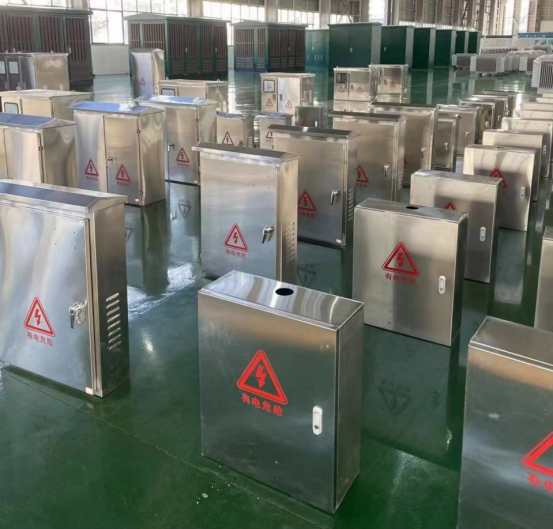
When selecting a power supply box for your project, it's not just about the total capacity; you need to compare how different boxes handle varying energy demands. For instance, a standard 1000VA box might seem ample for a small office setup, but if your equipment includes high-startup devices like compressors or motors, the surge current could overwhelm it. Look for boxes with specifications that detail peak load handling or surge ratings, as these directly impact reliability under dynamic conditions. Consider testing scenarios where energy loads fluctuate, such as during startup phases or when multiple devices operate simultaneously, to gauge how well the box maintains performance without tripping or overheating.
Diving deeper, it's crucial to match box capacities to real-world energy profiles rather than just maximum ratings. Many manufacturers provide load curves or efficiency graphs that show how a box performs at different percentages of its capacity. For example, a box rated at 2000VA might operate most efficiently at 50-80% load, whereas others could handle spikes better near full capacity. Analyze your system's typical and peak energy loads, including any seasonal variations or planned expansions, to ensure the box isn't underutilized or pushed to its limits. This comparison helps avoid overspending on oversized units or risking downtime with undersized ones, balancing cost and reliability effectively.
Another key aspect is the compatibility of box capacities with renewable energy sources or backup systems. If you're integrating solar panels or generators, compare how different boxes manage the transition between grid power and alternative sources, as this can affect energy load distribution. Some boxes offer smart features that adjust capacity based on incoming power quality, providing a smoother experience during load shifts. By simulating scenarios with mixed energy inputs, you can assess which boxes offer the best flexibility and durability, ensuring your setup remains robust whether dealing with steady daily loads or unexpected surges from intermittent sources.
Safety and Protection Mechanisms Built into Top Models
Today's leading models incorporate sophisticated safety protocols that extend far beyond basic error handling. These systems are engineered with multi-layered safeguards designed to proactively identify and mitigate potential risks before they escalate. For instance, real-time monitoring tools continuously analyze operational parameters, while adaptive algorithms can adjust performance thresholds based on environmental feedback. This proactive approach ensures that the model remains stable under varying conditions, reducing the likelihood of unexpected failures. Additionally, built-in redundancy features provide backup pathways in critical components, allowing seamless operation even if one part encounters an issue. By prioritizing prevention over reaction, these mechanisms help maintain the integrity and reliability of the model throughout its lifecycle.
Beyond technical safeguards, top models integrate ethical and contextual protection measures to align with human values and societal norms. Advanced filtering systems are employed to screen outputs for inappropriate or harmful content, leveraging natural language processing to understand nuanced contexts. These models also include customizable settings that allow users to define boundaries, such as restricting certain types of information or tailoring responses to specific audiences. Moreover, ongoing training with diverse datasets helps the model recognize and avoid biases, ensuring fair and balanced interactions. This holistic approach not only enhances user trust but also fosters responsible usage in diverse applications, from customer service to creative endeavors.
In the backdrop of increasing digital threats, top models are fortified with robust security measures to protect against external vulnerabilities. Encryption protocols are implemented to secure data transmissions, while access controls restrict unauthorized usage through authentication mechanisms. Regular security audits and updates address emerging risks, keeping the model resilient against cyberattacks like data breaches or manipulation attempts. Furthermore, many models feature self-diagnostic tools that can detect anomalies and trigger alerts or automated responses. By combining these defensive strategies with user education on safe practices, these models offer a comprehensive shield that safeguards both the system and its stakeholders from potential harm.
How to Match Distribution Boxes with Specific Energy Systems
When integrating distribution boxes with specific energy systems, it's crucial to consider the unique requirements of each setup. For instance, solar energy systems often demand robust surge protection and DC compatibility, whereas grid-tied setups might prioritize safety features like automatic shutdown during outages. Start by assessing the system's voltage, current ratings, and environmental factors to ensure a seamless match.
Beyond technical specs, factor in future scalability and maintenance needs. In hybrid systems combining solar and battery storage, choose distribution boxes that accommodate multiple inputs and outputs, avoiding bottlenecks as you expand. A mismatch can lead to inefficiencies or safety hazards, so double-check certifications and manufacturer recommendations before finalizing your selection.
Practical tips include consulting with installers who have hands-on experience with similar setups and testing components under real-world conditions. This approach helps tailor the solution to your energy goals, whether you're optimizing for cost savings or reliability.
Innovative Materials and Durability in Modern Designs
In the realm of modern design, the integration of innovative materials has revolutionized how products and structures achieve durability. From self-healing polymers that mend cracks on their own to lightweight, high-strength composites like carbon fiber, these advancements are not just about extending lifespan but also enhancing performance under extreme conditions. For instance, in architecture, materials such as fiber-reinforced concrete and smart glass adapt to environmental changes, reducing maintenance costs while ensuring long-term resilience. This shift toward smarter, more robust materials reflects a broader trend where durability is no longer an afterthought but a core design principle, seamlessly blending aesthetics with endurance.
Beyond traditional metals and plastics, designers are increasingly turning to bio-based and recycled materials, which offer surprising durability while addressing sustainability concerns. Materials like mycelium-based composites or recycled ocean plastics are crafted into durable furniture, building components, and consumer goods, proving that eco-friendliness and strength can coexist. In industries like automotive and aerospace, this translates to components that withstand harsh conditions without compromising on weight or efficiency. By prioritizing innovative materials, modern designs push the boundaries of what's possible, creating products that not only last longer but also adapt to evolving needs, making durability a dynamic feature rather than a static trait.
The emphasis on durability in modern designs is also driving innovation in testing and manufacturing processes, ensuring that new materials perform reliably over time. Advanced techniques like 3D printing and nanomaterial engineering allow for precise control over material properties, leading to bespoke solutions tailored for specific environmental challenges. Whether it's in high-end electronics with scratch-resistant coatings or outdoor gear that resists wear and tear, the result is a more resilient world where design longevity becomes a competitive edge. This holistic approach ensures that durability is embedded from the outset, leading to smarter, more sustainable creations that endure in both form and function.
Installation Tips and Maintenance Practices for Long-Term Efficiency
Getting things set up right from the start can save you a world of trouble down the line. It's not just about following the manual step-by-step—though that's crucial—but also considering your specific environment. For instance, ensuring proper ventilation and level surfaces during installation can prevent overheating and uneven wear, which often go unnoticed until performance drops. Taking that extra time to double-check connections and calibrate settings might feel tedious, but it's the kind of upfront effort that pays off in smoother, more reliable operation for years.
Maintenance isn't a chore to dread; think of it as your system's regular check-up to keep it humming along efficiently. Instead of waiting for signs of trouble, adopt a proactive approach with scheduled inspections and cleaning routines tailored to your usage patterns. Simple habits like keeping components free of dust build-up or regularly updating software can dramatically extend lifespan and reduce energy consumption. By catching minor issues early—like a loose bolt or a slight vibration—you avoid the cascading failures that lead to costly repairs and downtime.
For long-term efficiency, blend these practices into a cohesive strategy that adapts over time. Track performance metrics to spot trends and tweak maintenance schedules as needed, maybe after noticing seasonal changes in usage. Investing in quality parts and training users on proper handling can seem like extra steps, but they foster a culture of care that sustains peak performance. Ultimately, it's about building a resilient system where installation precision meets ongoing vigilance, ensuring it not only lasts but thrives in delivering consistent results without hiccups.
FAQ
Key factors include the box's capacity, compatibility with existing systems, safety certifications, energy efficiency ratings, and cost-effectiveness to ensure optimal performance and compliance.
These picks often feature advanced technologies like smart monitoring, modular design for easy upgrades, and high-quality materials that minimize energy loss and allow for better load management.
Model X from the list stands out for its robust construction and plug-and-play installation, ideal for quick deployments without compromising on longevity or reliability.
Look for features such as overload protection, fire-resistant enclosures, secure locking mechanisms, and compliance with international safety standards to prevent hazards.
Most models in the top 10 include automatic load balancing, surge protection, and scalable components that adjust to fluctuations, ensuring stable power supply under different conditions.
Yes, several picks prioritize sustainability through recyclable materials, energy-saving modes, and designs that reduce overall carbon footprint during operation.
Conclusion
Selecting the optimal power distribution box is crucial for enhancing energy management efficiency, and this guide highlights top picks by focusing on key features like robust safety mechanisms and material durability. When evaluating boxes, consider protection features such as circuit breakers and surge protection, which are essential for preventing electrical hazards in various environments. Modern designs often incorporate innovative materials like flame-retardant plastics and corrosion-resistant metals, ensuring long-term reliability even in harsh conditions. By matching these features with specific energy systems, users can achieve better performance and safety, making informed choices that go beyond basic specifications to address real-world operational needs.
Effective installation and maintenance practices further contribute to long-term efficiency, as proper setup minimizes risks and maximizes the lifespan of distribution boxes. Comparing capacities allows for tailored solutions that handle different energy loads without overloading, while integration tips ensure compatibility with existing infrastructure. This holistic approach, blending safety, durability, and practical advice, helps users navigate the market to find boxes that not only meet technical requirements but also offer innovative advantages for sustainable energy management. Ultimately, the top picks in this guide stand out by combining advanced features with user-friendly design, supporting efficient and reliable power distribution in diverse applications.
Contact Us
Contact Person: Doreen
Email: [email protected]
Tel/WhatsApp: 8618057712366
Website: https://www.liugaopower.com/