

Professional Boiler Suit Styling Ideas for a Sharp, Modern Look
2026-11-24
There’s a reason the boiler suit has quietly moved from workshop staple to fashion-week favorite — it delivers that sharp, modern edge without trying too hard. But pulling it off takes more than just zipping up and heading out. From tailoring tricks to layering choices, the right details separate a forgettable outfit from a standout one. In this guide, we’re breaking down professional boiler suit styling ideas that feel polished, current, and anything but costume-like. And when you’re ready to invest in a piece that works as hard as you do, DROTEX offers designs built for exactly this kind of effortless authority.
The Tailored Fit That Changes the Whole Silhouette
The cut doesn't stop at the shoulders. It tucks through the waist just enough to draw a clean vertical line, then lets the back panel trace the spine instead of pulling against it. Because that adjustment is so precise, the fabric falls in a way that reads sharp from the front and relaxed from the side.
A typical narrow fit flattens everything into one long tube, but this version keeps a little room in the chest and lifts the sleeve head slightly higher. The hem lands right at the hip, so the torso looks elongated without the jacket clinging anywhere. That balance is what gives the whole frame a sharper outline.
On the body, the change is immediate. There's no tugging at the buttons or bunching at the shoulders, yet the shape still comes through clearly. The middle narrows, the shoulder line stays square, and the lower half drops straight. It's the kind of quiet precision that makes the piece feel like it was cut for one person rather than a size run.
Monochrome Layering for a Cleaner Workwear Line
A tonal palette does the heavy lifting here, pulling coats, overshirts, and utility trousers into a single calm register. Matching shades of stone, charcoal, or washed olive remove the visual noise that often comes with contrast-heavy uniforms, leaving only silhouette and fabric weight to define each piece.
Layering becomes an exercise in texture rather than color. A dense canvas jacket over a merino crewneck and a stiff cotton work shirt creates depth without breaking the monochrome rule. The eye notices the slight sheen of pressed wool, the grain of twill, and the soft fall of a garment-dyed chino before it registers any single item.
For the wearer, the payoff is a sharper, less cluttered daily uniform. One-color dressing flattens decision fatigue and lets cut, proportion, and hardware carry the character. A concealed placket, a double knee, or a matte snap closure reads more clearly when it is not competing with color-blocking or loud branding.
Footwear Choices That Shift the Boiler Suit Mood
A boiler suit reads instantly more utilitarian with chunky-soled trainers, but swapping those for a slim leather sneaker or a minimalist canvas plimsoll tugs the whole silhouette toward weekend ease. The ankle crop suddenly matters, so a low-profile shoe lets the hem do the talking instead of fighting it.
When the mood needs to feel sharper, ankle boots with a slight heel change the stance entirely. The leg line gets longer, the fit looks more deliberate, and the same one-piece suit shifts from workshop to evening without a single other adjustment.
Loafers or backless mules offer a quieter kind of polish, especially in patent or deep burgundy. They soften the workwear stiffness and make the boiler suit feel more like a considered outfit than borrowed gear.
Outerwear Proportions Worth Playing With
A cropped, boxy jacket does most of the work when you pair it with something long and fluid underneath—think a tunic, a slim maxi skirt, or even a shirt that falls past the hips. The abrupt stop at the waist creates a clean horizontal line, while the longer layer underneath keeps the eye moving. It is an easy way to feel put-together without relying on anything tight.
Shoulder volume tends to read as deliberate when the rest of the silhouette stays narrow. A slightly extended shoulder or a drop-shoulder coat can make straight-leg trousers and a simple knit look sharper, especially if the sleeve hits right around the knuckle. You are not adding width everywhere; you are just shifting the visual weight up top.
Then there is the long, almost dramatically oversized topcoat over something short—a mini skirt, tailored shorts, or cropped denim. The coat swallows the frame just enough that the flash of leg becomes the focal point. It works best when the coat is left open and the fabrics underneath are lighter in weight, so the proportions feel intentional rather than heavy.
Minimal Accessories That Sharpen the Finish
A single slim watch or a pair of small sculptural earrings often does what a pile of statement pieces cannot. The eye needs somewhere to land, and when there are too many competing details, the outfit loses its point of view. Choosing one quiet metal tone—brushed silver, soft gold, matte black—keeps the look coherent without feeling overplanned.
Texture matters more than size here. A narrow leather belt with a slightly grained surface, a polished signet ring worn alone, or a pair of acetate sunglasses with clean lines can sharpen the edges of a simple jacket and trouser combination. The goal is not to decorate the outfit but to give it a final sense of intention.
What you leave out is as important as what you put on. If the shirt has an interesting collar, skip the necklace. If the trousers have a strong silhouette, let the hem and shoe do the talking. Minimal accessories work best when they respond to the clothes instead of competing with them, and that restraint is usually what makes the finish feel sharp rather than bare.
Color Blocking With a Workwear Edge
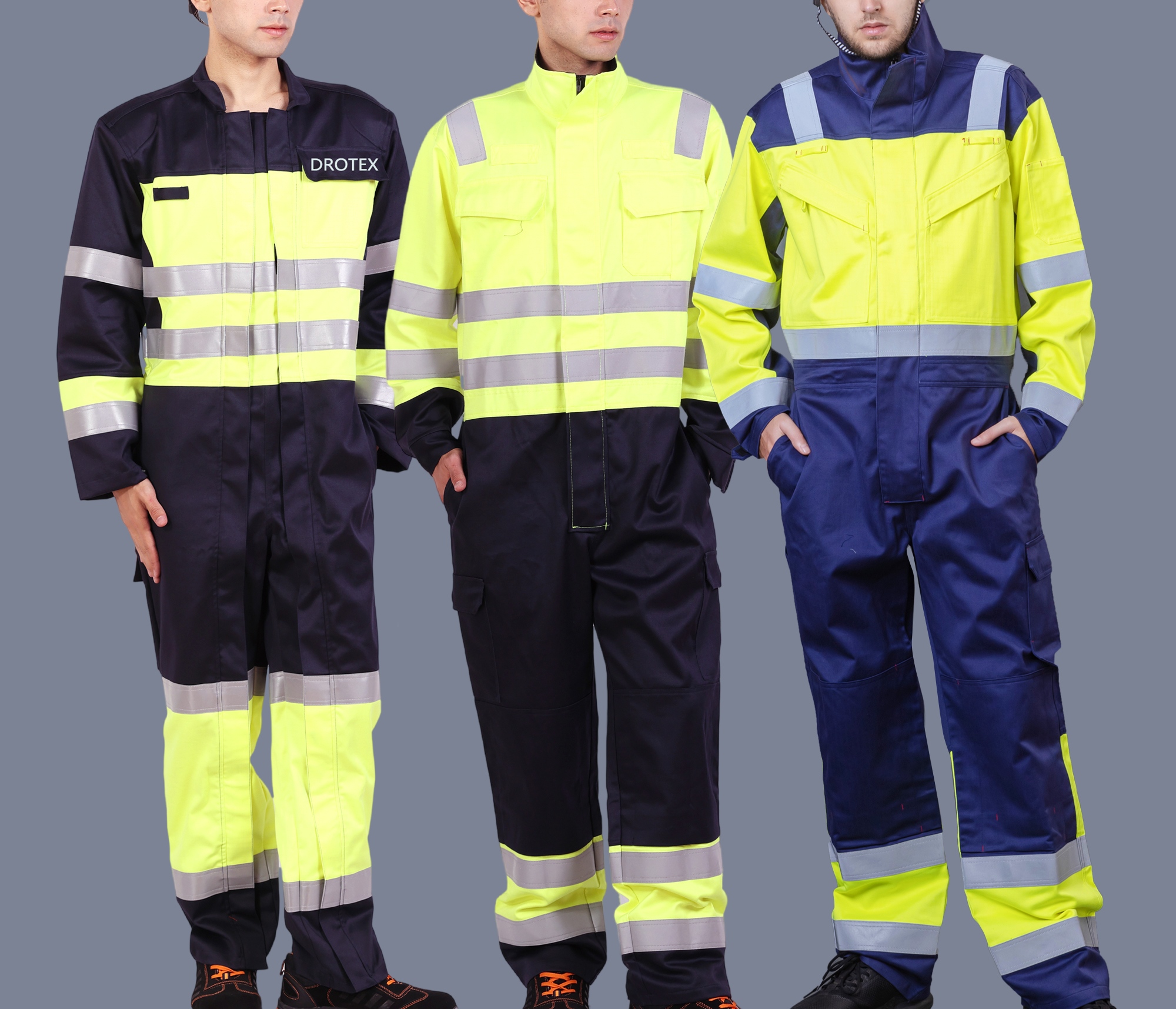
The color blocking here doesn't feel like a graphic experiment. It borrows its logic from classic workwear, where panels follow stress points and pocket openings rather than random cuts. A deep oxblood shoulder yoke sits against a tobacco canvas chest, while the forearms and collar are picked out in muted olive. The boundaries are not hidden; they're stitched flat with heavy contrast thread and punctuated by rivets, which gives each block a structural reason to exist.
Fabric choice keeps the palette grounded. Dry cotton twill, brushed flannel and garment-washed canvas absorb the brighter hues, so even a burnt orange side panel or dusty blue placket reads more practical than loud. The cut stays roomy through the shoulders and tapers just enough at the waist, letting the blocked sections register as part of the garment's architecture. Patch pockets, hammer loops and double knees appear in alternating tones, breaking the silhouette without changing its workwear posture.
Wear it against simple bases: faded indigo, chalk white, or dark grey. The blocked colors will do the talking, especially when the rest of the outfit stays matte and unadorned. A scuffed boot or canvas tote feels more natural here than anything polished, and that tension between deliberate color placement and rough utility is what makes the combination stick.
FAQ
Look for cotton twill, garment-dyed poplin, or a wool blend with a bit of structure. Anything too shiny or stiff reads industrial, while soft matte fabrics drape more like tailoring. A small amount of stretch helps the suit stay neat through a full day, but avoid techy finishes if you want it to feel office appropriate.
Keep the silhouette slim but not tight, and swap the belt for a leather one with a low-profile buckle. Roll the sleeves once or twice and wear a fine-gauge knit underneath so the collar looks deliberate. If your office leans conservative, choose a dark neutral and add loafers instead of boots.
Yes, if the details are clean. Pick a suit with a pointed collar, hidden placket, and no oversized chest pockets. Layer a tailored blazer or chore coat over it in a matching tone. The goal is for people to notice the outfit, not the fact that it is a boiler suit.
Sleek leather loafers, minimal Chelsea boots, or low-profile derbies work best. Avoid chunky soles and heavy work boots because they drag the look back toward utility. In warmer months, a clean leather sneaker can work if the rest of the suit is sharp.
A slim leather belt, a simple watch with a metal bracelet, and maybe a fine chain under the collar are enough. Skip carabiners, bandanas, and anything that feels like workwear cosplay. Sunglasses in a classic shape add polish without trying too hard.
The shoulder seams should sit right at the edge of your shoulder. The waist should be slightly shaped but not cinched, and the leg should taper gently toward the ankle. If there is excess fabric pooling around the hips or knees, it looks borrowed rather than styled.
Charcoal, ink navy, olive, and warm taupe are the most forgiving. Black can look great but needs sharp tailoring to avoid a mechanic vibe. If you want something lighter, try stone or sage in warmer weather, just keep the accessories dark and simple.
Wear a merino roll neck or a fitted button-up underneath, but keep the collar points tucked in. A structured topcoat or a cropped jacket over the suit works better than a puffer. Make sure the outer layer ends above the knee so the suit's proportions stay intact.
Conclusion
A boiler suit only reads as professional when the fit is deliberate. Tailoring through the waist and tapering the leg removes the baggy, purely utilitarian volume and creates a sharper silhouette that still moves easily. Cropping the hem just above the ankle keeps the shape crisp and opens up the whole look. Underneath, monochrome layering is the quiet trick: a fine merino roll neck or a fitted long-sleeve tee in the same tonal family as the suit pulls the eye downward without interruption. This clean workwear line feels far more considered than a bare suit. Footwear then shifts the mood more than most people expect. A polished leather boot or loafer sharpens the outfit, while a minimal rubber-soled derby keeps it rooted in practical territory.
Outerwear proportions are worth experimenting with once the base is right. A cropped chore jacket or a long, slouchy wool coat changes the geometry of the suit without fighting it—just keep the shoulders slightly relaxed so the layer sits naturally. Accessories should stay minimal and purposeful: a slim leather belt, a low-profile watch, and maybe a pair of clean acetate glasses are enough to tighten the finish. For those who want more edge, color blocking works surprisingly well on a boiler suit. Panels in deep navy, charcoal, or muted olive can outline the body in a way that feels industrial but controlled, never flashy. The result is a modern, sharp take on workwear that feels assembled rather than simply thrown on.
Contact Us
Contact Person: Sandy
Email: [email protected]
Tel/WhatsApp: 86150 8310 5120
Website: https://www.frdrotex.com