

Reliable Dual Fuel Generator What to Know Before You Buy
2026-10-13
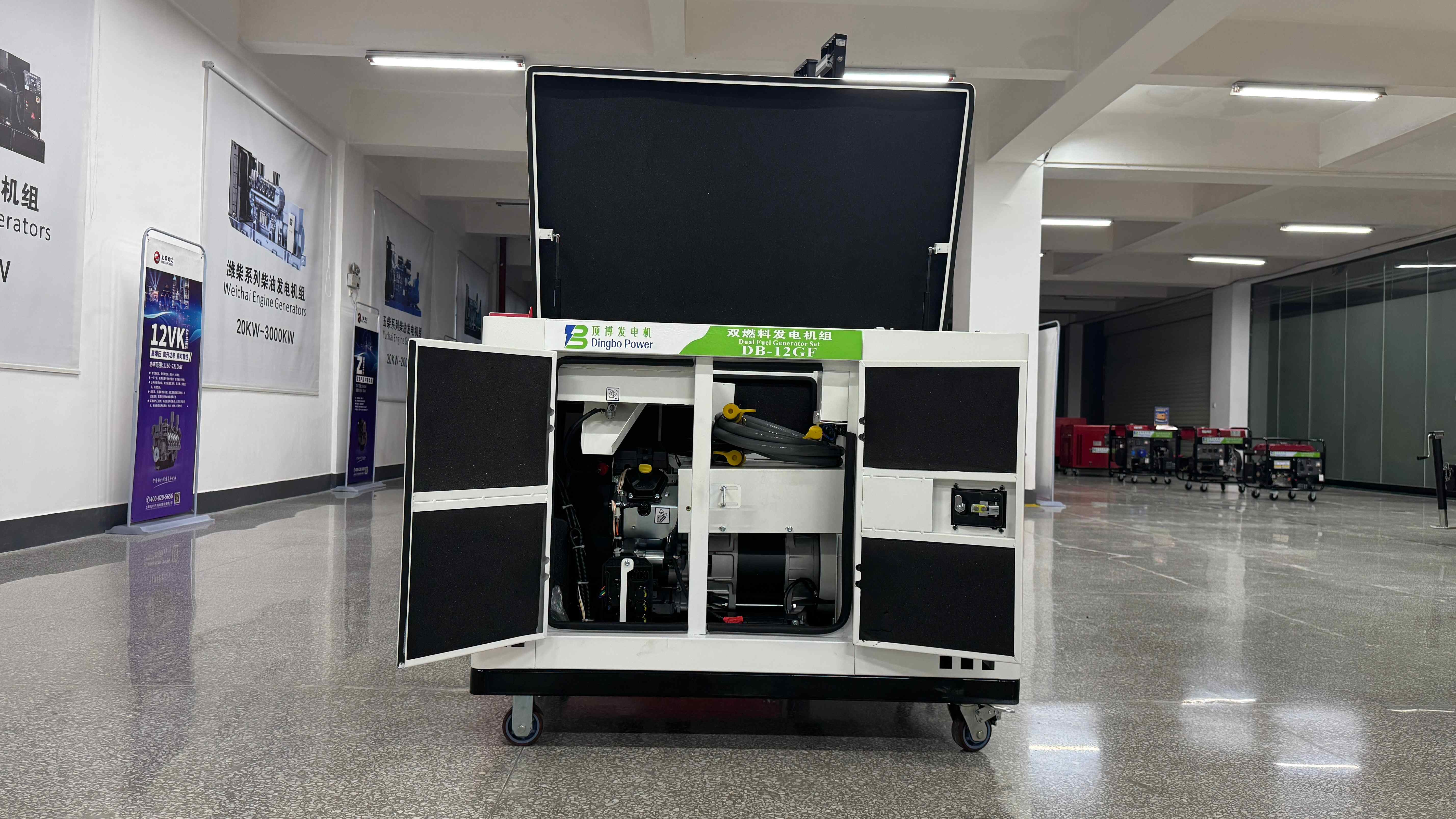
Few backup power investments promise as much day-to-day flexibility as a dual fuel generator. You get gasoline's easy availability and propane's clean, long-storage appeal in one machine. But reliability is where many models fall short—and that's the gap DINGBO POWER has focused on closing. Before you buy, you need to look past the spec sheet and understand how fuel switching, engine tuning, and load handling actually behave in real outages. This guide breaks down what separates a dependable dual fuel workhorse from a garage ornament, so you can choose with confidence when the next storm or blackout hits.
Why a Dual Fuel Generator Might Be the Last One You Buy
Most people buy a generator expecting to replace it within a few years. Between carburetor issues, stale fuel, and engine wear, that expectation is usually right. A dual fuel generator changes that math. By letting you run on either gasoline or propane, it sidesteps many of the problems that kill single-fuel units. When one fuel source becomes unavailable or goes bad, you simply switch to the other. That kind of built-in backup means you're not gambling on a single supply line every time the power goes out.
Propane burns noticeably cleaner than gasoline, which translates into less carbon buildup on spark plugs and valves. Over hundreds of hours of runtime, that difference adds up. If you've ever torn down a gasoline-only generator after a few seasons, you'll remember the black sludge coating everything. With regular propane use, you avoid most of that mess. Less internal gunk means fewer oil changes, less frequent part replacements, and a machine that keeps starting on the first or second pull when you actually need it.
There's also the storage angle. Gasoline degrades in as little as 30 days without stabilizers, gumming up carburetors and fuel lines. Propane stored in a standard tank remains stable indefinitely, no additives required. So if your generator sits idle for six months, it won't punish you with a clogged fuel system when you finally fire it up. Combine that with the ability to run during extended outages by swapping between fuel types, and you end up with a generator that can realistically serve you for a decade or more. After buying two or three throwaway units, a dual fuel model starts to look less like an expense and more like the last generator you'll actually need.
The Fuel Switch No One Talks About
Most of the clean transport debate stops at batteries and hydrogen, but there is a quieter option already slipping into real-world fleets: dimethyl ether. It behaves like propane, fires in a diesel-cycle engine without the soot burden, and can be made from biogas or captured CO2 plus renewable methanol. No one puts it on a keynote slide, yet a handful of Japanese and Swedish operators have been running refuse trucks on it long enough to prove the maintenance costs are manageable.
The real advantage is not chemistry; it is plumbing. DME stores at roughly the same pressure as LPG, so existing propane terminals, tankers, and dispensers need only modest retrofits. That makes the switch invisible in the way that matters most to fleet managers—there is no expensive charging depot, no cryogenic storage, and no waiting for a brand-new engine platform. The fuel itself can slot into a modified diesel block that mechanics already know how to fix.
This kind of transition rarely wins headlines because it lacks the drama of a moonshot. But the fuel switches that actually take hold are usually the boring ones: easier to handle, cheaper to move, compatible with today's shops and supply chains. Dimethyl ether may not spark a revolution, but it could quietly displace a meaningful slice of diesel in niches where batteries still struggle.
Power Ratings That Don't Lie to You
Most stickers plastered on amplifiers and speakers are about as honest as a used-car salesman. You'll see huge numbers like 1000 watts, but those are peak power figures that last for a split second before the thing melts. What actually matters is continuous RMS power—that's the number that tells you what the unit can sustain without distorting or shutting down. If a spec sheet doesn't lead with RMS, it's probably hiding something.
The trick to spotting a rating that won't fool you is to look for three things: the power figure, the total harmonic distortion (THD) at which it was measured, and the load impedance. A trustworthy rating will say something like 50 watts per channel into 8 ohms at 0.05% THD. That's a real, usable number. If you see 300 watts with no impedance or distortion mentioned, run the other way—nobody listens to square waves at full clipping.
Brands that respect their customers will publish honest continuous ratings and maybe even a power-versus-distortion curve. These are the products you can actually compare without guesswork. Because when a rating is grounded in real measurements rather than marketing hype, you get to plan your system around what it truly delivers, not what it promises for a microsecond before the smoke comes out.
The Sound and Space Compromise
In smaller rooms, chasing deep bass often means sacrificing walkable floor area. A subwoofer that digs down to 20 Hz needs cabinet volume, and that physical presence competes with the need to move around freely. Many listeners end up tucking the sub into a corner, accepting a few room modes just to keep the space livable.
Acoustic panels follow the same tension. Thick broadband absorbers tame reflections and tighten imaging, but they also eat into wall space, making a room feel smaller and more padded. The compromise usually lands somewhere between a bare, lively box and a fully treated studio—most home setups lean toward minimal treatment, relying on furniture and rugs to do the heavy lifting.
There's also the matter of speaker placement. Pulling speakers away from walls improves soundstage depth but reduces usable square footage. Pushing them back against the wall reclaims space but muddies the low end with boundary gain. The final answer is rarely ideal in either direction; it's a negotiated truce between the sound you want and the room you actually live in.
What Maintenance Really Costs in Time and Money
The sticker price is the easy part. The real drain starts when you factor in fluids, filters, brake pads, tires, and the occasional sensor that fails a month after the warranty expires. For a mid-size commuter car, routine upkeep typically runs $800 to $1,200 a year if nothing major breaks. But "nothing major" is a gamble: a single transmission fault or AC compressor replacement can wipe out three years of careful budgeting in an afternoon.
Time disappears faster than money. A simple oil change eats forty minutes at the shop; add tire rotation, inspection, and waiting on parts, and half a Saturday is gone. Do your own basic work and you trade cash for evenings hunched over a wheel well, chasing rusted bolts and realizing the last owner stripped a drain plug. Even a garage queen demands weekly washes, monthly battery tenders, and seasonal fluid checks that quietly add up to a part-time hobby.
Where you live changes the math. Salt-belt cars chew through brake lines and suspension bushings, while desert heat kills batteries every three years and bakes interior plastics until they crack. Owners who ignore these regional quirks end up paying twice: once for the neglect, again for the tow truck.
Safety Features That Work When You Need Them
Safety features aren't worth much if they hesitate when conditions turn messy. The systems we build are designed around real moments, not test-track ideals. If a car drifts into your lane on a wet highway, the blind-spot monitor doesn't just flash — it nudges the wheel gently before you've even registered the threat. Automatic emergency braking is tuned to act early enough to matter but late enough to avoid false alarms, so you're not fighting the car during everyday driving.
What sets this setup apart is how the pieces share information. The forward camera and radar don't operate in isolation; they cross-check each other to ignore shadows or stray reflections that can trigger unnecessary warnings. When you're backing out of a tight spot, the rear cross-traffic alert watches for moving objects even before they enter your view. It's not about piling on more sensors — it's about making sure the ones you have respond exactly when it counts.
FAQ
Most units let you choose the fuel source manually with a selector switch or dial on the control panel. Some higher-end models can switch on the fly while running, but many require you to shut down first. Check whether the generator includes separate fuel lines and regulators for each type.
Propane doesn't degrade like gasoline, so it's better for long-term storage. It burns cleaner, leaving fewer carbon deposits in the engine, and you can often connect to a large home propane tank for extended runtime. Gasoline usually gives slightly more power output per gallon, but propane wins for shelf life and lower maintenance.
Propane can struggle to vaporize below freezing, which makes cold starts harder. Gasoline is generally more forgiving in low temperatures. Look for a model with a cold-start feature or keep the propane tank warm if you plan to use it in winter. Testing both fuels before an emergency is smart.
Add up the starting watts of appliances with motors (like refrigerators, well pumps, or air conditioners) and the running watts of everything else you want to power at the same time. Then pick a generator with a continuous rating at least 20% above that total. Remember that propane reduces output by roughly 5-10% compared to gasoline, so factor that in.
Oil changes and air filter checks are similar, but running propane means the oil stays cleaner longer because there's less carbon buildup. You still need to inspect fuel lines and fittings for both fuel systems. If gasoline sits in the tank for months, use a stabilizer or drain it. Propane lines and regulators should be checked for leaks annually.
Yes, especially around propane connections. Always check for leaks with soapy water before starting. Never run the generator indoors or near windows, regardless of fuel. Propane is heavier than air and can pool in low areas, so keep the unit on level ground away from basements or pits. Gasoline needs proper ventilation for fumes.
Only if you have a professionally installed transfer switch or interlock kit. Never use a backfeed cord plugged into a wall outlet—it can injure utility workers and damage equipment. The transfer switch should match your generator's output. A qualified electrician can install it and explain how to balance the load.
Focus on engine type (OHV is better than side-valve), copper windings in the alternator, and a solid warranty of at least 2-3 years. Read owner reviews for cold-start problems or fuel selector failures. Brands with a long history of portable generators and accessible replacement parts tend to be safer bets than generic imports.
Conclusion
A dual fuel generator earns its place less through marketing promises than through the simple reality of fuel flexibility. When gasoline goes stale or a storm interrupts supply, switching to propane can keep essential circuits alive without a trip to the pump. Propane also stores cleanly for years, which removes a common failure point for occasional users. The trade-off rarely discussed is output: propane delivers slightly fewer watts than gasoline on the same unit, so you should size the generator around the propane rating, not the optimistic peak number printed on the box. Look closely at continuous running watts rather than starting watts for anything with a motor. If the label only shouts a big surge figure, assume the real usable capacity is lower.
Noise and footprint shape the experience more than most buyers expect. Compact inverter-style dual fuel models run noticeably quieter but often cost more per watt, while open-frame units trade silence for brute output. Maintenance is not just oil changes; carburetors, fuel lines, batteries, and stabilizers add up over time, especially if gasoline sits too long. A propane-only season can reduce that burden substantially. Finally, safety features matter because generators are often used in darkness, bad weather, or cramped spaces. Automatic carbon monoxide shutdown, low-oil protection, and overload alerts are not accessories; they are the difference between a tool and a liability. Spending a little more upfront on these safeguards usually costs less than the first repair or emergency room visit.
Contact Us
Contact Person: Rita
Email: [email protected]
Tel/WhatsApp: +8613481024441
Website: https://www.dbdieselgenerator.com/