

Residential Energy Storage Battery Factory: How Modern Home Battery Packs Are Engineered for Everyday Reliability
2026-11-17
Most homeowners don’t think about battery factories until the power goes out—then they care deeply about what’s inside the box on the wall. This piece takes you inside how UNC approaches residential energy storage from the cell to the final pack, where everyday reliability isn’t a slogan but a build discipline. We’ll look at the engineering choices, testing rhythms, and small design details that separate a battery you trust from one you worry about.
The Assembly Choices That Shape Daily Backup Power
Most backup power failures don't begin with a dead battery. They begin with a ring terminal that has worked itself loose, a cable tie cinched too tightly against a metal bracket, or a charge controller mounted where afternoon heat collects. Torque settings on lugs, the choice between a crimped and a soldered joint, and the way conductors are routed away from vibration points all set a baseline that no battery upgrade can correct later.
Where each part sits also changes how the system behaves over time. A battery bank placed against an uninsulated concrete wall loses heat differently than one inside a sealed metal enclosure. Overcurrent protection should be close enough to the source to keep unfused wire runs short, but far enough from hot terminals to avoid nuisance trips. Even the position of a disconnect switch affects whether someone actually checks the bank on a regular schedule, because a panel that is awkward to reach invites neglect.
Small material choices accumulate in ways that spec sheets rarely capture. Stainless fasteners instead of zinc-plated ones, adhesive-lined heat-shrink instead of bare tubing, and a single clean ground bus reduce the slow corrosion that eventually interrupts a circuit. These details don't make a system look impressive, but they are precisely what keep daily backup power quiet, predictable, and uneventful.
How Cells Are Matched Before They Enter a Home Pack
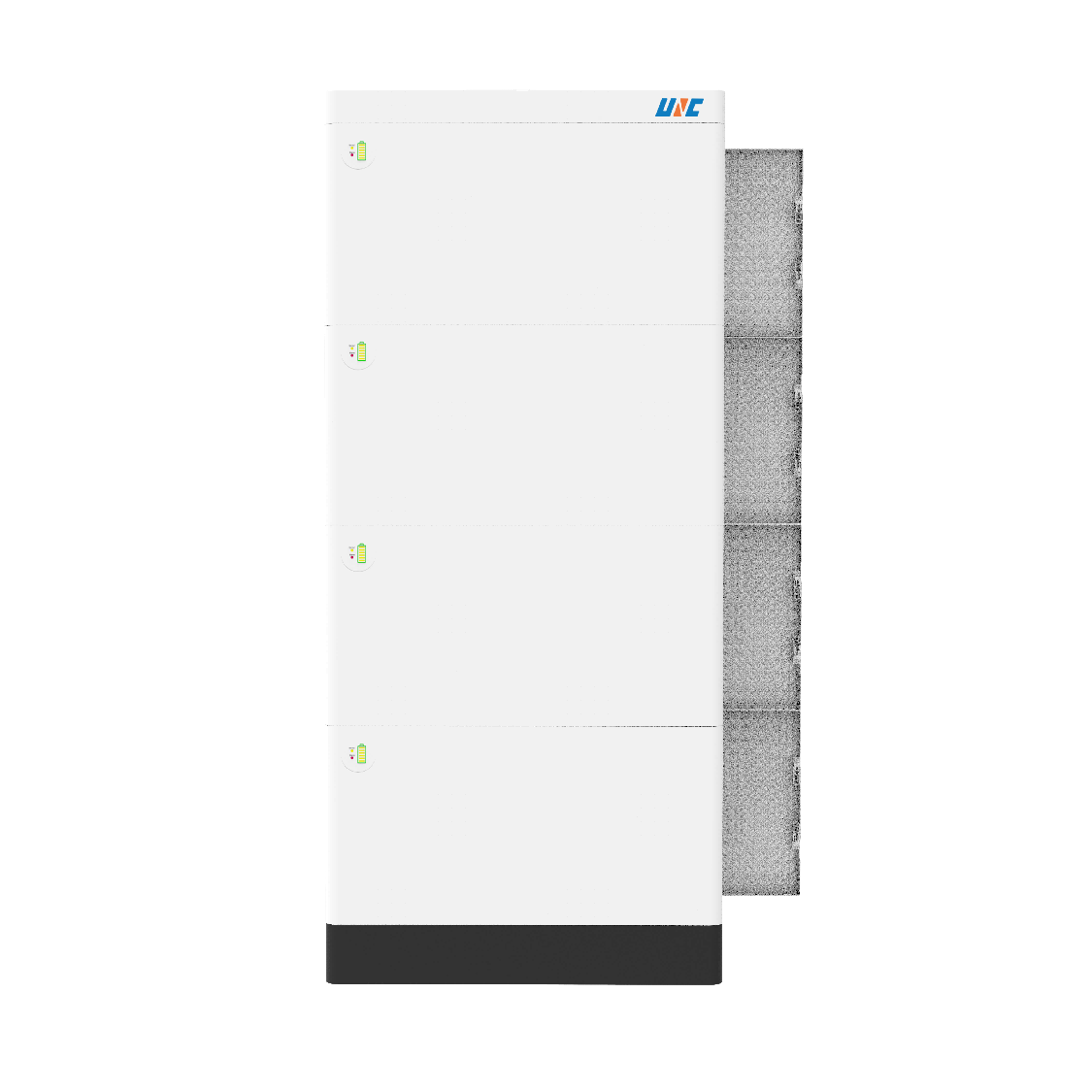
Before a single cell is cleared for a home battery pack, it goes through a sorting routine that measures capacity, internal resistance, and open-circuit voltage. Cells with nearly identical readings are grouped together so that no single unit becomes a weak link during repeated charge and discharge cycles.
The matching process also accounts for self-discharge behavior. Cells are held at a controlled temperature for a set period, and any unit that loses voltage faster than its batchmates is pulled aside. This step catches hidden defects that would only show up after weeks of storage or light use.
Once the groups are finalized, each matched set is assigned a traceable lot code. That code stays with the cells through assembly, so if a pack underperforms later, engineers can trace the issue back to a specific sorting batch and adjust the acceptance window.
Thermal Testing Beyond the Mild Garage Afternoon
A warm garage in the afternoon feels like a decent stress test until you compare it with the heat a parked vehicle actually absorbs. On a sunny day, a closed cabin can climb past 60°C within an hour, and surfaces facing the glass get hot enough to soften adhesives and warp thin trim. That mild garage reading misses the way heat builds unevenly across a dashboard, a battery pack, or an electronics enclosure.
The missing piece is usually thermal cycling, not just peak temperature. Components expand and contract at different rates when a hot car cools at night or when direct sun moves across the body. A solder joint that survives one warm afternoon can fail after weeks of repeated hot-soak and cool-down cycles, especially where temperature gradients gather at connectors and seams.
Better thermal validation uses a tighter setup: controlled heat lamps, insulated test boxes, and logged temperature probes placed where failures actually start. Once those measurements replace the assumption that a garage afternoon is representative, small design changes—like a vent path, a reflective shield, or a different mounting distance—become much easier to justify.
What It Takes to Earn a Ten-Year Residential Warranty
Earning a ten-year residential warranty is rarely a simple marketing gesture. It pushes manufacturers to examine every layer of the building envelope, from fastener corrosion rates to the way flashing channels water away from seams, because minor oversights become costly failures over a decade. Before a product qualifies, it typically endures accelerated weathering, thermal cycling, and structural load testing that compresses years of environmental stress into a much shorter evaluation window.
Installation carries just as much weight as the product itself. Even rigorously tested materials can underperform when seams are misaligned, drainage planes are interrupted, or the wrong sealant bridges two incompatible surfaces. That is why many warranty programs require certified installers, documented site inspections, and precise material records before coverage is approved. The resulting audit trail does more than protect the manufacturer; it gives homeowners a clearer picture of what was installed and how it should perform over time.
Designing for Tight Utility Rooms and Quiet Nights
Squeezing a washer and dryer into a closet that barely clears the door swing often comes down to thinking in inches rather than square feet. Leaving a half-inch gap on each side sounds trivial until vibration turns the whole run into a drum. A strip of dense rubber under each foot does more for midnight cycles than most soundproofing panels ever will.
Quiet nights start with the controls you set before heading to bed. Delay start is useful, but pairing it with a reduced spin speed cuts the low-frequency thump that travels through floor joists. If the room shares a wall with a bedroom, adding a soft-close door damper and weather stripping around the frame keeps the remaining noise from turning into a hallway echo.
The real trick is leaving enough slack in the fill hoses and vent duct so nothing presses against the back panel when the machine rocks. A pressed duct amplifies a small rattle into something that wakes people two rooms away. Keep the lint trap reachable without dragging the unit forward, and a tight utility room stops feeling like a compromise.
From Factory Calibration to the First Real Outage
Factory calibration is a neat, controlled promise. Instruments leave the line with traceable certificates, tidy measurement ranges, and the quiet confidence of a lab bench. But that confidence doesn't survive contact with an actual power system. The first real outage doesn't care about the calibration sticker. It arrives with transients, fault currents, and harmonics that never appeared in the test bay, and suddenly every carefully set threshold feels like a guess.
In the field, protection relays face inputs that are anything but clean. Saturation from current transformers, DC offset in fault waveforms, and relay misoperation under dynamic swings all show up uninvited. A relay that performed flawlessly on a synthetic test set can hesitate, overreach, or trip for the wrong reason when a tree takes down a distribution line at 2 a.m. The gap between factory calibration and that first genuine fault is where engineering assumptions get rewritten.
Bridging that gap takes more than better settings. It takes commissioning tests that mimic real contingencies, oscillography reviews after every event, and a willingness to treat the first outage as the true calibration session. Some teams even keep a log of every unexpected trip and near-miss, using them to gradually reshape relay logic. In the end, the factory certificate is just a starting point; the first real outage tells you what your protection scheme actually knows.
FAQ
It comes down to how carefully the cells are matched and how conservatively the system is allowed to run. Tight sorting keeps weak cells out, while charge and temperature limits prevent the pack from being pushed into conditions that accelerate wear.
Heat is managed through the physical layout as much as through software. Cell spacing, thermal interface materials, and sometimes active cooling work together, and the battery management system continuously pulls back power if any area runs hotter than expected.
The spec sheet doesn't show how aggressively a system uses its cells. A battery that avoids deep discharges, high charge voltages, and hot operating conditions will usually outlast one that chases maximum performance every day.
They face overcharge, short circuit, crush, vibration, and thermal stress tests. Many factories also run accelerated aging programs that simulate years of daily use in a matter of months to spot weaknesses early.
Consistency is enforced at each station, not just at final inspection. Automated checks cover weld quality, torque, insulation resistance, and electrical performance on every unit, while batch data stays traceable for years.
Many modern systems include active thermal management. In freezing conditions, they warm the cells before charging to avoid lithium plating, and in extreme heat they reduce current or increase cooling to keep the pack inside a safe temperature window.
It watches individual cell voltages and temperatures, balances the pack, prevents overvoltage and deep discharge, and can isolate the system if something drifts outside normal limits. That protection is what lets a battery sit in a garage for years without constant attention.
Conclusion
A home battery is only as dependable as the decisions made on the factory floor before a single enclosure is sealed. Cells arriving from different production batches are not assumed to be identical; they are cycled, sorted, and grouped by measured capacity and internal resistance so each pack shares load evenly from day one. That matching work directly shapes how a backup system holds voltage when a refrigerator compressor kicks on during an outage. The assembly process also decides where busbars are torqued, how cooling plates contact each module, and whether vibration from a garage wall or utility room floor will loosen connections over years of use. Thermal validation goes well beyond a mild afternoon soak. Packs are run through charge and discharge cycles inside chambers that replicate heat waves, cold snaps, and the slow heat buildup of a sealed closet, because real homes rarely offer ideal airflow.
Earning a ten-year residential warranty is not a marketing gesture; it comes from accelerated aging tests, fault injection, and repeated deep cycling until manufacturers can predict capacity fade with confidence. Engineers design for narrow utility rooms where clearance is measured in centimeters and for bedrooms that share a wall with the inverter, so cooling fans are tuned for low noise rather than maximum airflow, and standby consumption is trimmed to avoid constant hum. Before a unit leaves the factory, firmware is calibrated against its matched cells, and protection thresholds are set so the system responds predictably months later. The first real outage is not the first time the pack has been asked to perform; it has already been through simulated blackouts, partial grid failures, and load steps that mimic a house switching from solar to stored energy at dusk. That accumulated margin is what makes a modern residential battery feel uneventful when the grid goes down.
Contact Us
Contact Person: Manager Leng
Email: [email protected]
Tel/WhatsApp: 8613764878967
Website: https://www.unc-energy.com