

Strip Rolling Mills: Advanced Factory Solutions for Modern Steel Production
2026-01-26
In the rapidly evolving landscape of steel production, efficiency and precision are paramount. Enter GRM's innovative strip rolling mills, a game-changer for modern manufacturing. These advanced factory solutions not only enhance productivity but also drive sustainability, pushing the boundaries of what's possible in the industry. In this blog, we'll delve into how GRM's cutting-edge technologies are reshaping steel production, from automated processes to optimized output. Curious about the future of rolling mills? Let's explore it together.
Innovations in Strip Rolling Mill Design for Enhanced Steel Quality
Recent advancements in strip rolling mill design have revolutionized steel production by incorporating precision control systems that optimize thickness and flatness. These innovations include the integration of hydraulic gap control (HGC) technology, which allows for real-time adjustments during rolling, minimizing variations and ensuring a more uniform product. Coupled with advanced sensors and automation, mills can now detect micro-defects early, significantly improving steel quality while reducing waste and downtime.
Beyond basic control mechanisms, new mill designs feature enhanced cooling and lubrication systems that better manage temperature gradients across the strip. This prevents issues like warping or scale formation, leading to superior surface finishes and mechanical properties. Manufacturers are also adopting modular components that enable quick reconfiguration for different steel grades, fostering flexibility in meeting diverse market demands without compromising on integrity.
In parallel, digital twin simulations have emerged as a game-changer, allowing engineers to model rolling processes virtually before implementation. This predictive approach identifies potential quality bottlenecks and fine-tunes parameters for optimal performance. By combining these technological strides with sustainable practices, such as energy-efficient drives, modern strip rolling mills not only elevate steel quality but also contribute to more eco-friendly operations, setting new benchmarks in the industry.
Optimizing Roll Force Control for Precision in Modern Rolling Mills
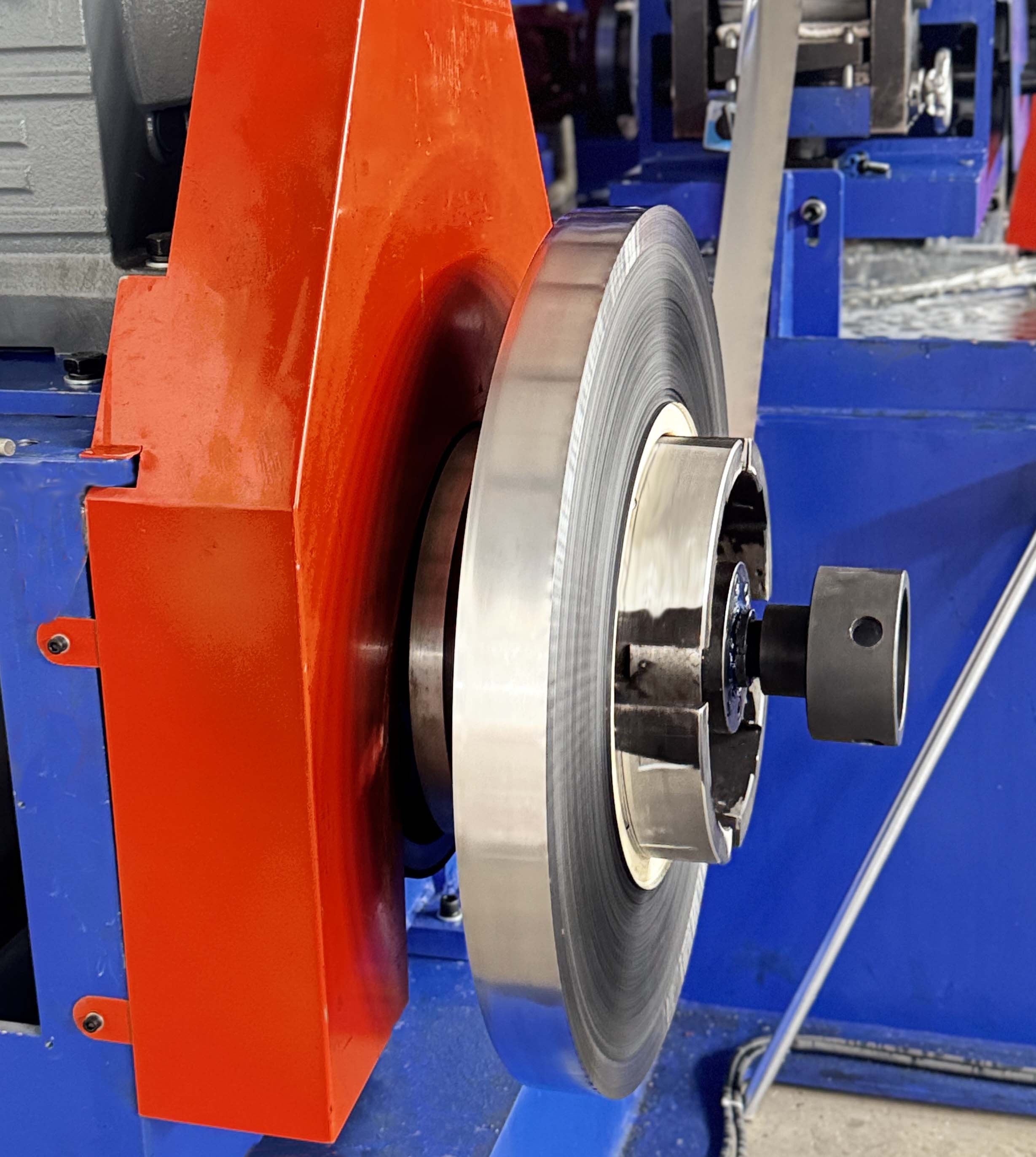
In today's advanced rolling operations, achieving pinpoint accuracy in product dimensions hinges on sophisticated roll force control systems. Unlike earlier setups that relied on basic hydraulic adjustments, modern mills integrate real-time data analytics and adaptive algorithms. By continuously monitoring variables like material temperature, thickness variations, and roll wear, these systems self-correct to maintain consistent pressure, reducing waste and enhancing yield in high-speed production lines.
A key innovation driving this precision is the deployment of machine learning models that predict force fluctuations before they impact quality. For instance, in a steel mill rolling thin strips, these models analyze historical performance data to adjust settings dynamically, preventing common issues like camber or edge defects. This proactive approach not only boosts efficiency but also allows for tighter tolerances, meeting stringent industry standards without frequent manual intervention.
Beyond mere automation, optimizing roll force control enables mills to tackle complex alloys and custom orders with greater flexibility. By fine-tuning force profiles based on specific material properties, operators can achieve superior surface finishes and structural integrity, setting their facilities apart in a competitive market. This evolution marks a shift from reactive maintenance to predictive excellence, where every pass through the rolls contributes directly to product value.
Smart Sensors and Real-Time Monitoring in Steel Strip Production
In modern steel strip production, the integration of smart sensors has revolutionized quality control and operational efficiency. These advanced devices continuously capture data on temperature, thickness, and surface defects during the rolling and cooling processes. By leveraging technologies like IoT and AI, manufacturers can detect anomalies in real-time, allowing for immediate adjustments that minimize waste and enhance product consistency. This proactive approach not only boosts throughput but also reduces energy consumption, making the entire production line more sustainable and cost-effective.
Real-time monitoring systems act as the backbone of this transformation, providing a seamless flow of information from the factory floor to decision-makers. Through intuitive dashboards and predictive analytics, operators gain instant insights into equipment performance and strip quality. For example, vibration sensors on rolling mills can forecast maintenance needs before breakdowns occur, preventing costly downtime. This level of visibility ensures that every strip meets stringent industry standards, fostering greater reliability in supply chains and customer satisfaction.
What sets these innovations apart is their adaptability across diverse production environments. Unlike traditional methods that relied on periodic checks, smart sensors enable a dynamic, data-driven workflow. They can be customized for specific alloy grades or environmental conditions, offering tailored solutions that respond to market demands swiftly. By embracing this technology, steel producers not only stay competitive but also pave the way for future advancements in automation and smart manufacturing, creating a smarter, more agile industry overall.
Energy-Efficient Technologies in Advanced Rolling Mill Operations
In today's competitive steel industry, advanced rolling mills are increasingly turning to energy-efficient technologies to slash operational costs and reduce environmental footprints. These innovations go beyond basic upgrades, integrating smart controls and data analytics to optimize energy consumption in real-time. For instance, adaptive drive systems can adjust motor speed and torque based on the specific requirements of each rolling pass, minimizing wasted electricity during idle moments. By adopting such targeted approaches, mills not only cut energy bills but also enhance production efficiency, making sustainability a core part of their operational strategy.
One standout example is the use of regenerative braking systems in rolling mills, which captures energy during deceleration phases and feeds it back into the power grid. This technology not only reduces reliance on external energy sources but also lowers heat generation, extending equipment lifespan. Combined with advanced insulation materials for furnaces and rollers, these mills achieve significant thermal efficiency gains, often reducing energy use by up to 20% compared to traditional setups. Such breakthroughs highlight how proactive tech adoption can transform energy management from a cost center to a value driver in rolling operations.
Moreover, predictive maintenance tools powered by IoT sensors play a key role in energy conservation by preventing unexpected downtime and optimizing machine performance. By monitoring parameters like vibration and temperature, these systems alert operators to inefficiencies before they escalate into energy-draining failures. This proactive stance supports continuous improvement in energy metrics, ensuring rolling mills stay agile and competitive in a resource-conscious market.
Automated Setup and Scheduling to Boost Mill Throughput
Automated setup and scheduling systems are revolutionizing mill operations by seamlessly coordinating equipment adjustments and production timelines. Unlike traditional manual methods that often lead to downtime and errors, these systems use advanced algorithms to predict and execute optimal setup sequences, minimizing transition periods between different production runs. This not only accelerates overall throughput but also enhances consistency in output quality, as machines are precisely calibrated without human intervention. By reducing the time spent on changeovers, mills can handle more diverse orders efficiently, adapting quickly to fluctuating market demands and maximizing their operational capacity.
The integration of real-time data analytics further empowers these scheduling tools to forecast maintenance needs and potential bottlenecks before they impact production. For instance, sensors on critical machinery feed live performance metrics into the system, allowing it to adjust schedules proactively to avoid unplanned stoppages. This dynamic approach ensures that mills operate at peak efficiency around the clock, with less reliance on reactive fixes that can delay throughput. As a result, facilities experience fewer disruptions and a smoother workflow, translating into higher output volumes without compromising equipment longevity or safety standards.
Adopting such automation isn't just about speed—it's a strategic shift that fosters a more agile and resilient manufacturing environment. By automating routine tasks, staff can focus on higher-value activities like process optimization and innovation. Over time, this leads to cumulative gains in throughput, as the system learns from past operations to fine-tune future schedules. Companies that embrace this technology often report significant competitive advantages, from faster turnaround times to improved resource utilization, making automated setup and scheduling a cornerstone of modern mill efficiency.
Tailored Solutions for High-Strength and Specialty Steel Strip
When it comes to working with high-strength and specialty steel strip, one-size-fits-all approaches often fall short. That's why we prioritize crafting solutions that are as precise as the materials themselves—whether you need ultra-thin gauges for intricate components or robust strips for heavy-duty applications. By collaborating closely with clients from concept to completion, we ensure every batch not only meets specs but also aligns seamlessly with your production timelines and performance goals.
Our expertise extends beyond standard offerings to include advanced alloys and custom heat treatments, allowing us to deliver strips that excel in extreme environments or under unique mechanical stresses. We leverage state-of-the-art rolling and finishing techniques to achieve tight tolerances and superior surface qualities, minimizing waste while enhancing durability. This focus on innovation means you can count on materials that push boundaries, whether for aerospace, automotive, or specialized industrial uses.
What truly sets us apart is our proactive approach to problem-solving—we don't just react to requests but anticipate challenges, offering tailored advice on everything from material selection to post-processing. By integrating feedback loops and continuous testing, we refine our processes to yield consistent, high-integrity results that stand up to rigorous demands. Ultimately, our goal is to provide steel strip solutions that not only perform but also drive efficiency and reliability across your operations.
FAQ
Recent advancements include precision control systems for thickness and flatness, high-speed rolling capabilities, and integrated automation for real-time quality monitoring.
They enhance efficiency by reducing downtime through predictive maintenance, optimizing material flow, and minimizing energy consumption with smarter process controls.
Automation enables seamless coordination between rolling stages, ensuring consistent product quality and allowing operators to focus on oversight rather than manual adjustments.
Yes, modern mills are designed with flexible setups to process various steel grades, from high-strength alloys to standard carbon steels, maintaining quality across batches.
Upgrades often lead to lower emissions, reduced waste through precision rolling, and energy savings, aligning with sustainable manufacturing goals.
By employing advanced sensors and feedback loops, they deliver superior surface finish, exact dimensional tolerances, and uniform mechanical properties, crucial for demanding applications.
Conclusion
Modern steel production is being transformed by advanced strip rolling mills that combine multiple technological innovations to enhance quality and efficiency. Innovations in mill design now focus on precision engineering that improves steel uniformity and surface finish, directly addressing the need for enhanced steel quality. This is complemented by optimized roll force control systems which ensure consistent thickness and mechanical properties across every batch. Meanwhile, smart sensors and real-time monitoring provide continuous data streams, allowing operators to detect anomalies instantly and maintain strict production standards. These elements work synergistically to create a robust framework for high-performance strip rolling, setting new benchmarks in the industry.
Beyond quality control, contemporary rolling mills integrate energy-efficient technologies and automated processes to boost throughput and sustainability. Automated setup and scheduling systems minimize downtime and optimize workflow, significantly increasing mill throughput while reducing manual intervention. Tailored solutions for high-strength and specialty steel strips enable manufacturers to meet diverse market demands, from automotive to construction applications. By leveraging these advanced factory solutions, producers can achieve greater flexibility, lower operational costs, and a reduced environmental footprint, positioning strip rolling mills as pivotal assets in modern steel production's evolution toward smarter, more resilient manufacturing ecosystems.
Contact Us
Contact Person: Rayna
Email: [email protected]
Tel/WhatsApp: 86 -173 1474 6343
Website: https://www.grmrollingmill.com/