

Substantial Printed Long Pile Carpet: Elevate Your Home with Luxurious Softness
2026-09-17
There’s a reason why the right carpet can transform a room from ordinary to unforgettable. The Substantial Printed Long Pile Carpet does exactly that, wrapping your floors in a plush, velvety softness that tempts you to sink your toes in and stay awhile. But this isn’t just about comfort—printed patterns on a long pile surface add a layer of visual depth and personality you won’t find in standard rugs. At Senseco, we’ve seen how small details like this can elevate a living space from simply functional to genuinely inviting. As you read on, you’ll discover how this carpet balances durability with indulgence, and why it might be the missing piece your home has been waiting for.
Sinking Into a Carpet That Feels Weighted and Warm
The moment your bare foot meets the surface, the carpet gives just enough to feel like the floor beneath has been padded with slow, heavy breath. Each strand wraps around your toes with a slight drag, not scratchy but dense, as if the fibers have been warmed by a low sun that never fully leaves the room. You stand still for a beat and the heat travels up through your arches, grounding you in a way that most flooring simply refuses to do.
Walking across it isn’t really walking at all—it’s more like wading through something thick and kind. The pile holds the outline of your foot a half-second longer than you expect, then slowly releases, leaving a faint shadow in the nap that disappears by the time you glance back. There’s no bounce, no echo of your step, just a quiet, weighted warmth that settles into your calves and makes every pause feel intentional.
How Printed Motifs Remain Sharp on Thick Fibers
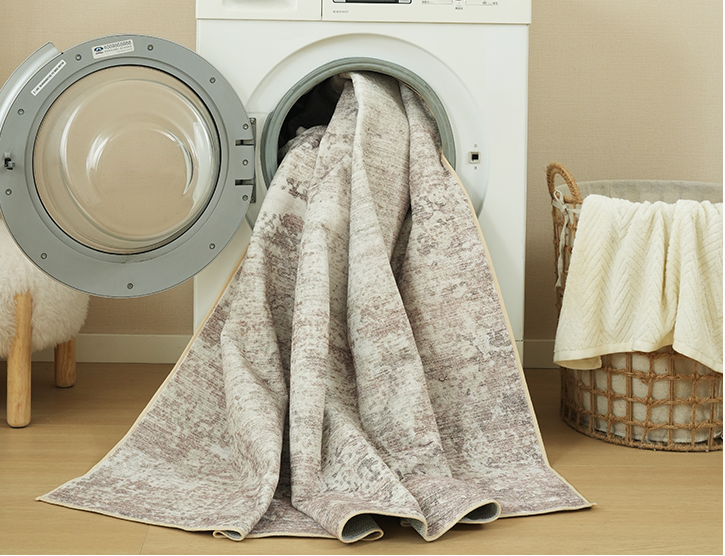
Thick fibers present a distinct challenge for printed designs because their raised, uneven surface scatters ink and blurs fine edges. The key to keeping motifs crisp lies in controlling how the ink interacts with the fiber's topography. Rather than relying on surface tension alone, the print paste is formulated with a higher viscosity and a balanced amount of binder, allowing it to sit on top of the fiber bundle instead of wicking into the gaps. This prevents the feathering effect that typically softens outlines on bulky yarns.
Another factor is the pre-treatment of the fabric. A light coating of a thickening agent, often a modified starch or synthetic polymer, fills the microscopic valleys between individual fibers. This creates a smoother printing base without compromising the fiber's natural bulk. The motif is then deposited as a continuous film, and its edges remain defined because the ink does not migrate laterally during drying. For very dense or napped fabrics, a light calendering step before printing further evens out the surface, ensuring that fine lines and small details stay sharp instead of breaking apart.
Finally, the curing process plays a decisive role. Rapid, uniform heat fixation causes the binder to cross-link before the ink has a chance to spread along the fiber strands. Combined with a precisely controlled squeegee pressure and screen mesh, the result is a printed motif with crisp boundaries that holds up to repeated washing. The thickness of the fiber becomes an asset rather than a liability, giving the design a raised, tactile quality while keeping every edge clean and precise.
Underfoot Density That Sets This Carpet Apart
Step onto this carpet and the first thing you notice isn't just softness — it's a certain grounded, almost weighted feel underfoot. The pile is packed with a tight, resilient density that lets each fiber support your step without flattening too quickly. It's the kind of surface that makes a barefoot walk across the living room feel deliberate, like the floor is quietly holding you up rather than just cushioning the impact.
Run your hand through the fibers and you'll sense how closely they're tufted; there's no sparse, loose give that leaves gaps under pressure. This density isn't about a plush, sink-in sensation. It's about stable, even resistance — the kind that keeps the carpet looking full after years of foot traffic, and keeps vacuum lines crisp instead of blurred. Each thread is set with enough neighbors to share the load, so high-wear zones like hallways and sofa edges don't develop flattened paths.
What sets this carpet apart is that the density isn't just a spec on a chart. You feel it in the way sound doesn't echo as much, in the way a dropped coin doesn't bounce but settles, and in the way your feet register a subtle firmness even through thick socks. It's a quiet, confident structure — built from the bottom up, where the real difference lives in every square inch you stand on.
Long Pile Comfort Without Constant Upkeep
There's a certain kind of relief that comes from sinking into a rug that feels more like a cloud than a floor covering. Long pile fibers create that deep, plush sensation underfoot, the kind that makes bare feet linger and kids gravitate toward for play. But the usual trade-off has always been maintenance—constant fluffing, special vacuum attachments, and a lingering worry about matting. This collection flips that assumption on its head, offering the same indulgent softness without demanding your weekends in return.
The secret lies in how the fibers are anchored and treated. Instead of loosely twisted strands that crush and tangle under daily traffic, these piles are engineered to bounce back with minimal effort. A quick pass with a standard vacuum, maybe a shake-out on a sunny afternoon, and the texture returns to its original loft. Spills sit on the surface long enough to blot rather than soak through, buying you time when life happens. You get the visual warmth and acoustic softening of a high-pile rug, but the upkeep feels closer to a low-maintenance flatweave.
What really sets it apart is the absence of that nagging feeling that you should be doing more. No rotating schedule pinned to the fridge, no guilt when the dog rolls over for the third time that day. The rug keeps its character—soft, inviting, a little indulgent—without turning into a chore list. For anyone who loves the look of a cozy, layered space but refuses to tiptoe around their own living room, this is the rare middle ground where comfort and practicality actually coexist.
A Plush Foundation for Living Rooms and Bedrooms
A plush foundation turns a room from merely furnished into genuinely inviting. In living rooms and bedrooms, the softness underfoot does more than cushion each step; it changes how the space feels at the end of a long day. The dense fibers absorb sound, making conversations quieter and late-night movements less disruptive, while the subtle texture adds a layer of warmth that hard flooring simply cannot offer.
Choosing the right plush base for a bedroom means thinking about how you actually move through the space. A thicker pile near the bed gives your feet a gentle landing each morning, while a slightly lower profile under furniture keeps drawers and doors gliding without resistance. In living rooms, the same principle applies: the foundation should anchor seating areas without overwhelming them, providing a soft boundary that defines the room’s purpose.
Maintenance is often the hidden factor that separates a plush foundation that lasts from one that looks tired within months. Look for fibers with natural resilience, and vacuum with a setting that does not pull at the loops. Rotate the piece occasionally to even out wear patterns, especially in bedroom walkways and the path between sofa and coffee table. A well-chosen plush foundation becomes a quiet, everyday luxury that supports both rest and connection.
Replacing Hard Floors With a Quieter, Softer Layer
Tearing out ceramic tile or nailed-down hardwood isn't always necessary to get a quieter room. A layer of cork, rubber underlayment, or dense fiber carpet tile can sit directly over the existing surface, absorbing footfall and voices before they bounce around. The change underfoot is immediate: less clack from heels, fewer sharp echoes from dropped items, and a warmer feel in the morning.
For kitchens and entryways, interlocking cork planks with a factory-applied finish handle spills reasonably well and don't require glue. Living areas benefit from carpet squares with a thick recycled felt backing; they can be swapped one at a time if stained. A floating vinyl plank with a pre-attached acoustic pad works over most hard floors and keeps the door thresholds manageable without ripping out the old material.
The trade-off is mostly upkeep. Softer layers trap dust and pet hair more readily than bare tile, so a vacuum with a hard-floor setting becomes part of the weekly routine. Avoid rubber or cork in a bathroom that sees standing water, but elsewhere the sound drop and reduced leg strain usually make the extra sweep worth it.
FAQ
The long pile construction creates a dense, shag-like surface that cushions every step. It's not just soft—it has a substantial weight that keeps it from shifting and gives it that sink-in feeling you notice immediately.
The print is applied to fibers that hold color well, so it stays vivid with normal use. The long pile actually helps the design look dimensional rather than flat, and regular vacuuming without a beater bar keeps it fresh.
It handles daily life surprisingly well. The pile is forgiving with crumbs and pet hair, and a quick shake or vacuum brings it back. Just treat spills promptly and it holds up to playtime, movie nights, and everything in between.
It shines in bedrooms, living rooms, and reading nooks where you want warmth and texture. You can also use a smaller size as a layering piece over hardwood or tile to define a cozy sitting area.
Use a suction-only vacuum or a handheld attachment to avoid tangling fibers. For small stains, blot with a mild detergent and cold water, then air dry. Avoid harsh brushes and heat, and the pile will stay lofty.
On smooth floors, a rug pad is a smart move to prevent sliding and add extra cushion. On carpet, it can help reduce wrinkling. Either way, it extends the life of the rug and keeps it feeling secure.
Yes, the long pile won't block heat significantly, but check the manufacturer's guidance for maximum temperature. It actually becomes extra inviting in winter when the floor is warm.
It comes in several common sizes from small accent rugs to large area rugs, and the printed designs range from subtle geometrics to bold patterns. You can pick a neutral tone to blend in or a statement print to anchor the room.
Conclusion
There are carpets you walk on, and then there are carpets that welcome you home. This substantial printed long pile piece belongs to the latter, with a dense, almost weighted surface that feels anchored underfoot rather than merely fluffy. Stepping onto it barefoot reminds you why hard flooring, however practical, can never offer that quiet, enveloping warmth. The printed motifs hold their clarity even across thick fibers, a detail that often disappoints in long pile designs, but here the pattern stays crisp and intentional, adding visual depth without fading into a blur of texture. Underfoot density does the heavy lifting—this isn't a carpet that flattens after a few weeks. The pile rebounds, the base stays resilient, and everyday foot traffic doesn't turn it into a matted shadow of itself.
Comfort doesn't have to mean constant maintenance. The fiber is chosen to resist matting and hold its loft with minimal fuss, so you spend less time vacuuming and more time enjoying the softness under your furniture. In living rooms and bedrooms especially, it changes the entire room's character—replacing the echo of hard surfaces with a quieter, softer layer that makes conversations feel more intimate and evenings more restful. Instead of simply covering the floor, this carpet builds a foundation you notice every time you sit down, stretch out, or set a mug on the coffee table. It's the kind of upgrade that doesn't shout for attention, but quietly makes your home feel more like a place you want to stay.
Contact Us
Contact Person: Ivy Yin
Email: [email protected]
Tel/WhatsApp: +86 18519681805
Website: https://www.sensecomarketing.com/