

Top 10 Inconel Alloys: Essential High-Performance Materials for Industrial Applications
2026-01-23
In the high-stakes world of industrial applications, where extreme temperatures, corrosion, and mechanical stress are the norm, a select group of materials stands out as unsung heroes: Inconel alloys. These nickel-chromium-based superalloys have become indispensable across sectors like aerospace, energy, and chemical processing, powering everything from jet engines to nuclear reactors. In this exploration, we dive into the top 10 Inconel alloys, uncovering their unique properties and why they are the go-to choice for engineers and designers tackling the toughest challenges. As you discover these essential materials, consider how innovators like Jiangsu Baowu New Materials are pushing boundaries in advanced materials technology, ensuring that industries worldwide can rely on performance and durability when it matters most. Stay tuned for a detailed breakdown that might just inspire your next project breakthrough!
Exploring Inconel Alloys: Pioneers in Extreme Environment Performance
Inconel alloys, a family of high-performance nickel-chromium superalloys, have carved a niche in industries where failure is not an option. Emerging from the mid-20th century, these materials are engineered to thrive where others falter—withstanding scorching heat, corrosive chemicals, and immense stress without batting an eye. Their unique metallurgical makeup, often enhanced with elements like molybdenum and niobium, grants them a resilience that’s almost uncanny. From the depths of oil rigs to the vacuum of space, Inconel doesn’t just survive; it dominates, making it the unsung hero in countless critical applications.
What truly sets Inconel apart is its ability to maintain strength and integrity in extreme thermal environments. While many metals weaken or oxidize under high temperatures, Inconel alloys form a protective oxide layer that acts like a self-healing shield. This characteristic is a game-changer in sectors like aerospace and power generation, where components face relentless heat from jet engines or turbine systems. For instance, Inconel 718 is a staple in gas turbine disks, where it handles temperatures up to 1300°F without losing its mechanical properties. It’s not just about longevity—it’s about reliability under pressure that few materials can match.
Beyond heat resistance, Inconel’s versatility shines in chemically aggressive settings, such as marine and chemical processing industries. Its resistance to pitting, crevice corrosion, and stress-corrosion cracking makes it ideal for seawater-exposed parts or harsh chemical reactors. Innovations in alloy compositions, like Inconel 625 with its high molybdenum content, have pushed boundaries even further, enabling use in sour gas wells and nuclear reactors. As technology evolves, so does Inconel, adapting to new challenges and solidifying its role as a pioneer in extreme environment performance—proving that sometimes, the best defense is a material built to endure.
Key Inconel Grades: Tailored Solutions for Diverse Industrial Challenges
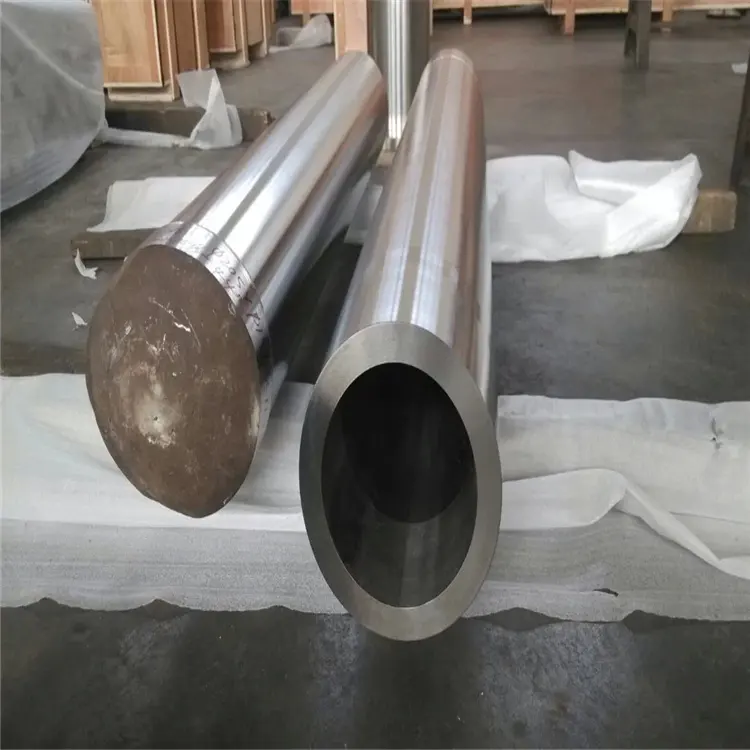
In the demanding world of high-performance alloys, Inconel grades stand out as versatile champions, each engineered to tackle specific industrial hurdles with precision. From the relentless heat of jet engines to the corrosive embrace of chemical processing plants, these alloys don't just endure—they thrive. By fine-tuning elements like chromium, molybdenum, and nickel, manufacturers create grades that resist oxidation, creep, and stress-corrosion cracking, ensuring equipment lasts longer and performs better under extreme conditions.
What sets these grades apart is their ability to be customized for niche applications. For instance, Inconel 625 excels in marine environments where saltwater corrosion is a constant threat, while Inconel 718 is favored in aerospace for its strength at elevated temperatures. This tailored approach means industries aren't settling for one-size-fits-all solutions; instead, they can select a grade that precisely matches their operational demands, reducing downtime and maintenance costs while boosting overall efficiency.
Beyond mere material properties, Inconel grades enable innovation in sectors like oil and gas, where deep-well drilling exposes components to harsh sulfides and high pressures. By leveraging grades like Inconel 725, companies can push the boundaries of exploration and production, safely extracting resources from previously inaccessible depths. This adaptability underscores why these alloys remain at the forefront of industrial advancement, offering reliable, customized answers to the toughest challenges on the planet and beyond.
Inconel Applications: From Aerospace to Chemical Processing Success Stories
Imagine a material that can withstand the intense heat of a jet engine while resisting corrosion in harsh chemical environments—that's the magic of Inconel. This nickel-chromium superalloy has become a game-changer across industries, not just because of its impressive technical specs, but through real-world stories of reliability and innovation. In aerospace, for instance, engineers rely on Inconel for turbine blades and exhaust systems, where temperatures soar above 1,000°C, ensuring aircraft like the Boeing 787 or Airbus A350 fly safely and efficiently. Meanwhile, in chemical processing plants, it prevents costly failures by handling corrosive acids and high-pressure reactors, making operations smoother and more sustainable. These aren't just theoretical benefits; they're proven solutions that have transformed challenges into successes, from reducing maintenance downtime to enhancing product purity.
What sets Inconel apart isn't just its durability—it's how it adapts to diverse demands. In the aerospace sector, companies like Pratt & Whitney have leveraged Inconel alloys to push the boundaries of engine performance, allowing for lighter yet stronger components that cut fuel consumption and emissions. Over in chemical manufacturing, facilities processing everything from pharmaceuticals to petrochemicals use Inconel pipes and vessels to avoid contamination and extend equipment life, turning potential disasters into steady, profitable workflows. These applications highlight a shared theme: Inconel isn't a one-size-fits-all material but a tailored tool that helps industries tackle extreme conditions head-on, fostering stories of resilience and growth.
Beyond the technical jargon, the success of Inconel lies in its impact on everyday operations and long-term goals. In aerospace, it supports innovations like reusable rockets, where components must endure repeated thermal cycles without degrading. For chemical processors, it enables the safe handling of aggressive substances, reducing environmental risks and boosting safety records. These real-world examples show how Inconel bridges high-tech engineering with practical benefits, making it a silent hero in projects that demand both precision and endurance. Whether it's powering a flight across continents or ensuring a chemical plant runs without a hitch, this alloy continues to write new chapters in industrial achievement.
Advantages of Inconel Alloys: Durability and Corrosion Resistance Unveiled
Inconel alloys stand out for their exceptional durability, making them a top choice in demanding industrial applications. These superalloys maintain structural integrity under extreme temperatures and pressures, ensuring long-lasting performance even in harsh environments like gas turbines and chemical processing plants.
Beyond their mechanical strength, Inconel alloys offer superior corrosion resistance that sets them apart from conventional metals. They form a protective oxide layer when exposed to corrosive agents, effectively preventing degradation from acids, alkalis, and saltwater, which is why they're favored in marine and aerospace sectors.
This combination of durability and corrosion resistance makes Inconel alloys uniquely reliable, reducing maintenance needs and downtime in critical operations. Their ability to withstand both thermal and chemical stressors without compromising performance underscores their value in high-stakes engineering projects.
Material Innovations: How Inconel Enhances Modern Engineering Designs
In the realm of high-performance engineering, Inconel stands out as a cornerstone material, driving advancements across diverse sectors from aerospace to energy. This nickel-chromium-based superalloy is renowned for its exceptional resistance to extreme temperatures, corrosion, and oxidation, making it indispensable for applications where lesser materials would quickly fail. Engineers are increasingly turning to Inconel to push the boundaries of design, enabling components that operate reliably in harsh environments like jet engines, chemical processing plants, and deep-sea exploration equipment. Its ability to maintain structural integrity under intense thermal stress allows for more efficient and durable systems, reducing downtime and enhancing safety in critical operations.
Beyond its inherent robustness, Inconel's versatility fuels innovation by opening new possibilities in engineering solutions. For instance, in the automotive industry, it's being utilized in turbochargers and exhaust systems to withstand higher temperatures, boosting engine performance and fuel efficiency. Similarly, in medical devices, Inconel's biocompatibility and strength support the development of long-lasting implants and surgical tools that endure sterilization processes without degrading. This adaptability encourages designers to rethink traditional approaches, leading to lighter, more compact components that don't compromise on reliability, ultimately driving cost savings and environmental benefits through extended product lifespans.
As modern engineering faces escalating demands for sustainability and resilience, Inconel's role continues to evolve, positioning it as a key enabler of future breakthroughs. Its use in renewable energy technologies, such as wind turbines and nuclear reactors, exemplifies how this material contributes to cleaner power generation by withstanding corrosive elements and fatigue over decades. By integrating Inconel into cutting-edge designs, engineers are not only solving today's challenges but also building a foundation for innovations that will shape industries for years to come, proving that material science remains at the heart of progress.
Selection Guide: Choosing the Right Inconel Alloy for Your Project Needs
When it comes to selecting an Inconel alloy for your project, it's essential to start by understanding the specific environmental conditions the material will face. Inconel alloys are renowned for their high-temperature strength and corrosion resistance, but each variant offers unique properties tailored to different applications. For instance, if you're working in the aerospace industry, alloys like Inconel 718 might be ideal due to their exceptional creep resistance and weldability, whereas chemical processing plants often prefer Inconel 625 for its superior resistance to pitting and stress corrosion cracking in acidic environments.
Beyond just temperature and corrosion factors, consider the mechanical requirements of your project such as tensile strength, fatigue life, and thermal stability. This can help narrow down choices between popular options like Inconel 600, known for its oxidation resistance up to 2000°F, and Inconel X-750, which excels in applications requiring high strength at elevated temperatures. It's not just about picking the most expensive alloy; it's about matching the material's capabilities to your operational demands to ensure longevity and cost-effectiveness.
Finally, don't overlook practical aspects like fabrication methods and availability. Some Inconel alloys are easier to machine or weld than others, which can impact project timelines and budgets. Consulting with materials engineers or suppliers can provide insights into real-world performance, helping you avoid common pitfalls like embrittlement or excessive wear. By taking a holistic approach, you'll find an Inconel alloy that not only meets technical specifications but also aligns with your overall project goals.
FAQ
Inconel alloys are distinguished by their exceptional resistance to extreme temperatures and corrosive environments. Unlike many metals, they maintain structural integrity under intense heat and oxidation, making them ideal for aerospace and chemical processing applications.
These alloys excel in high-temperature settings, retaining strength and resisting creep and thermal fatigue up to 1,200°C (about 2,200°F). This makes them crucial for gas turbine components and exhaust systems where materials face constant thermal stress.
Yes, Inconel alloys are highly resistant to corrosive substances like acids, chlorides, and seawater. Their nickel-chromium composition forms a protective oxide layer, preventing degradation in industries such as petrochemicals and marine engineering.
They're widely used in aerospace for jet engine parts, in oil and gas for downhole tools and valves, and in power generation for heat exchangers. Their versatility also extends to medical devices and nuclear reactors due to their reliability.
Primarily nickel-based with chromium, iron, and molybdenum additives, these alloys balance strength and corrosion resistance. Specific variants include elements like titanium or aluminum to enhance performance in niche applications through precipitation hardening.
Inconel alloys support sustainability by extending equipment lifespan and reducing maintenance needs. Their durability helps minimize waste and energy consumption in industries, aligning with eco-friendly practices over the long term.
Machining and welding Inconel can be difficult due to its hardness and tendency to work-harden. Specialized tools and techniques are required, but the benefits of performance often outweigh these processing hurdles.
Conclusion
Inconel alloys stand as pivotal materials in industries demanding exceptional performance under extreme conditions. This article explores the top 10 Inconel alloys, showcasing their role as pioneers in high-temperature and corrosive environments. By examining key grades like Inconel 625 and 718, tailored solutions emerge for diverse industrial challenges, from aerospace to chemical processing. The advantages of these alloys, particularly their durability and corrosion resistance, are unveiled, making them indispensable in applications where failure is not an option. Their ability to withstand harsh conditions ensures reliability in critical operations, positioning Inconel alloys as essential for modern engineering designs that push the boundaries of material science.
Material innovations in Inconel alloys enhance modern engineering by offering superior strength and longevity, even in the most demanding scenarios. Success stories across various sectors highlight how these alloys contribute to performance and safety, from jet engines to chemical reactors. A selection guide helps in choosing the right Inconel alloy based on specific project needs, ensuring optimal outcomes. By integrating aspects like tailored solutions and innovative applications, Inconel alloys prove to be versatile and high-performing materials. They address a wide range of industrial challenges, solidifying their status as top choices for professionals seeking reliable and advanced materials for critical applications.
Contact Us
Contact Person: Zoe Liang
Email: [email protected]
Tel/WhatsApp: 86 189 2128 6299
Website: https://www.baowuchina.com