

Top Commercial Heat Pump Systems That Cut Energy Costs and Improve Building Performance
2026-11-16
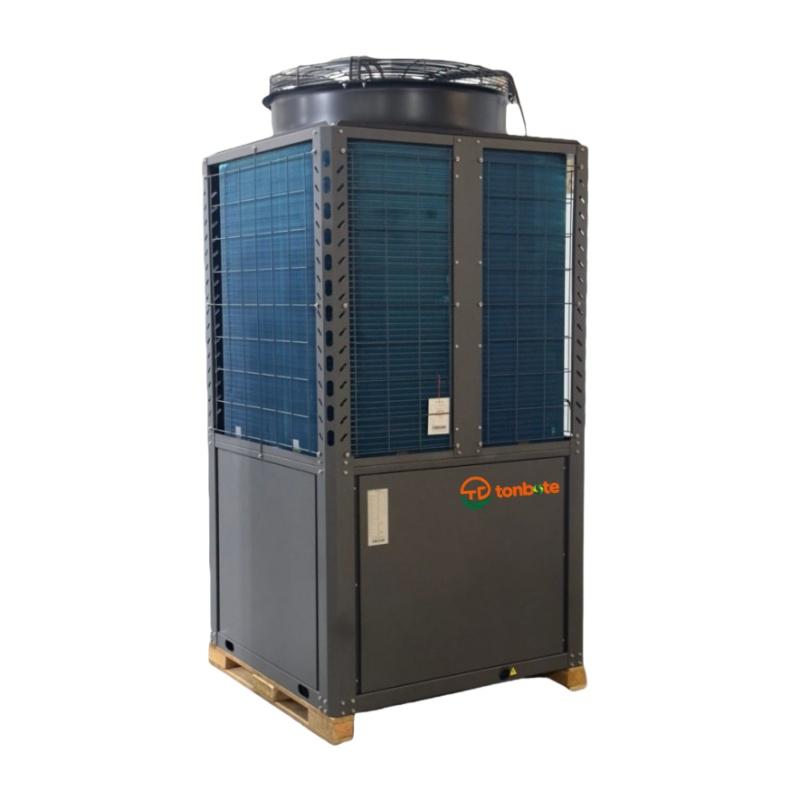
Commercial buildings rarely get a second chance at a first impression when it comes to HVAC performance. Rising utility bills and uneven indoor comfort usually point to one overlooked culprit: the heat pump system. Across modern retrofits and new builds, high-efficiency commercial heat pump units are proving that cutting energy costs and improving building performance can happen at the same time. What many facility managers are now discovering is that the right system does more than condition air — it stabilizes operating budgets and extends equipment life. For teams ready to move beyond outdated setups, solutions like Tongbaote are shaping how buildings meet efficiency targets without compromising daily operations.
Why More Commercial Buildings Are Betting on Heat Pumps Over Gas-Fired Systems
For a long stretch, gas-fired rooftop units were the default because they were familiar and the initial bid was easy to compare. That arithmetic has changed in a lot of markets. A gas line extension alone can run into five or six figures on a commercial site, while electrical service is already there. Add local electrification requirements, demand response programs, and utility rebates, and the heat pump option starts to look less like a premium upgrade and more like the path of least resistance.
The shift is also about fewer moving pieces. Heat pump systems eliminate combustion air, flue routing, and gas piping, which simplifies rooftop layouts and cuts coordination between HVAC, plumbing, and fire protection trades. In buildings that are cooling-dominant for much of the year, owners are finding that one well-sized variable-speed heat pump handles both shoulder-season heating and summer cooling without the maintenance rituals that gas heat exchangers bring.
There are still places where gas holds an edge, particularly process loads and buildings in extreme cold. For the typical office, retail box, or medical tenant space, though, the decision increasingly comes down to mechanical simplicity and long-term operating cost rather than fuel loyalty. Heat pumps have quietly become the conservative choice in the commercial sector.
The Cost of Staying Comfortable: Where Traditional HVAC Budgets Actually Go
Most homeowners assume the largest chunk of an HVAC budget goes toward the initial equipment purchase, but that sticker price rarely tells the full story. Over a 12- to 15-year lifespan, electricity and natural gas bills quietly absorb far more money than the furnace or condenser itself. Add in a few after-hours service calls, a blower motor replacement, and a refrigerant recharge, and the upfront cost starts to look like the cheapest part of ownership.
A surprising amount of money disappears into losses that never show up on an invoice as a single line item. Duct runs in attics and crawl spaces leak conditioned air, dirty coils force the compressor to work harder, and undersized returns starve the system of airflow. Each inefficiency pushes run times longer, which accelerates wear on capacitors, contactors, and belts. Those small components fail one by one, turning what should be a predictable maintenance schedule into a series of unbudgeted repair bills.
There is also the cost of chasing comfort in an aging envelope. When supply registers throw air unevenly, occupants crank the thermostat lower in summer and higher in winter, not realizing the system is fighting leaky windows, missing insulation, or poorly balanced dampers. The equipment gets blamed, so more money goes into service diagnostics and short-term fixes rather than correcting the underlying airflow and pressure problems. In the end, traditional HVAC budgets often subsidize waste instead of actual comfort.
Sizing and Specifying Heat Pumps Without Overbuilding or Undershooting
Most heat pump sizing mistakes start with a convenient shortcut: taking the old furnace or boiler output and matching it, or using a square-footage rule that someone in the supply house mentioned years ago. That approach almost always leaves capacity on the table or pushes the unit into short cycling. A better starting point is a room-by-room load calculation that includes actual window area, orientation, insulation levels, air leakage, and internal gains. Once the design heating and cooling loads are known, the heat pump selection can be treated as its own step rather than an afterthought.
Oversizing tends to get more attention, but undershooting can be just as costly. A unit that is too large satisfies the thermostat quickly, never reaches steady-state efficiency, and does poor latent work in cooling mode. A unit that is too small runs long hours, may rely too heavily on backup heat, and loses comfort during cold snaps. The useful number is not just rated capacity at one condition. Look at the modulation range, delivered capacity at the winter design temperature, defrost behavior, and any simultaneous domestic hot water load if the system is meant to handle it.
Specifying should also account for the electrical panel, outdoor unit placement, pipe lengths, noise limits, and how the controls will interact with zoning or battery storage. It is easy to fixate on the heat pump itself, but many oversized and undersized outcomes are created by weak coordination between design, installation, and commissioning. A good spec sets a performance target, verifies airflow and refrigerant charge, and leaves room for measured adjustment rather than assuming the nameplate will deliver steady comfort all year.
How Smart Controls Change Heat Pump Performance in Real Buildings
In real buildings, heat pump efficiency rarely follows catalog curves. Smart controls close that gap by reading indoor and outdoor conditions continuously and adjusting compressor speed, fan output, and pump flow to match the actual load instead of running fixed cycles. This matters most at part load, where conventional heat pumps cycle on and off and lose useful work to short-cycling losses. In monitored retrofits, variable-speed drives paired with zone-level feedback have lifted seasonal performance factors well above what the same unit achieves with a basic thermostat.
Weather-compensated supply temperatures and predictive setback routines also reshape performance in ways static controls cannot. A controller that learns a building's thermal mass can preheat or precool before occupancy without overshooting, then let the heat pump settle into low-speed operation for hours. Field data from schools and small offices show that this reduces auxiliary heat use in cold climates and cuts compressor starts by more than half over a heating season, directly lowering both energy use and compressor wear.
The largest gains often come from improving part-load behavior and defrost logic. Smart controllers delay unnecessary defrost cycles by monitoring coil temperature and frost accumulation rather than using a timer, and they coordinate backup heat only when the heat pump alone cannot hold setpoint. In real buildings with varying occupancy and internal gains, these adjustments keep leaving-water temperatures as low as possible while still meeting comfort, which is exactly what drives coefficient of performance upward under everyday operating conditions.
When Retrofits Pay Back Faster Than Expected: Heat Pump Economics in Practice
Many retrofit calculations assume a like-for-like swap and ignore the way heat pumps actually run in a building. In a 1960s office retrofit in Manchester, the projected seven-year payback dropped to just over four years once the controls were tuned for lower flow temperatures and the building's thermal mass was used to shift demand away from peak tariffs. The savings did not come from a single dramatic change but from a stack of small operational gains.
Part of the surprise comes from maintenance and avoided costs. A gas boiler replacement was on the horizon anyway, and folding that capital into the heat pump project changed the baseline. Add in lower servicing intervals, no flue inspections, and cooling capability that removed the need for a separate comfort cooling upgrade, and the financial case shifted well beyond the original spreadsheet.
In practice, payback also shortens when incentives are claimed early and actual energy use is metered rather than modelled. Several housing associations have found that tenants use less supplementary electric heating after a heat pump retrofit because the system maintains a steadier indoor temperature. That behavioural response rarely appears in pre-installation estimates, yet it consistently nudges the numbers in the owner's favour.
Keeping Performance Honest: Maintenance Habits That Protect Long-Term Savings
Most equipment failures don't happen because of a single catastrophic defect. They creep in through skipped oil changes, ignored belt tension, dirty filters, or sensors that were never recalibrated. A maintenance log isn't just a record; it's the difference between catching a $40 seal before it fails and paying for a $4,000 rebuild after it does. The challenge is treating maintenance as a scheduled cost rather than an emergency expense. When routines slip, small inefficiencies compound: a clogged air intake raises fuel burn, a misaligned drive wears bearings unevenly, and a degraded coolant loses its corrosion inhibitors months before visible overheating occurs.
Building habits that protect savings means moving beyond generic checklists. It starts with assigning ownership to specific tasks and tying them to measurable baselines, like vibration signatures, operating temperatures, or pressure drop across filters. One useful approach is the "threshold audit": every two weeks, compare current readings to the plant's own best-performing baseline. When a reading drifts beyond a preset band, the work order is generated automatically, before the degradation reaches a failure curve. This turns maintenance from reactive firefighting into a continuous, low-intensity dialogue with the equipment.
Long-term savings also depend on what happens after the repair. A cheap replacement part that fits poorly may save money today but accelerates wear on adjacent components. Documenting the full cost of ownership, including downtime, labor, and the effect on downstream systems, pushes decision-making away from sticker price and toward lifecycle value. Over time, these habits create a quiet compounding effect: fewer unplanned stops, more accurate budgeting, and a maintenance team that spends its energy on prevention rather than panic. The honest measure of performance isn't how quickly you fix a breakdown, but how rarely it gets the chance to happen.
FAQ
Look at part-load performance and how well the controls integrate with the building management system. A unit with an impressive full-load rating can still waste energy if it short-cycles during lighter demand. Also check low-ambient heating capacity, defrost behavior, and whether the manufacturer publishes sound data at multiple frequencies. These details often matter more day to day than a single seasonal number.
It depends on the baseline being replaced and the building's load profile. Many facilities see cooling-side gains from variable-speed compressors and heating-side gains from moving away from electric resistance or older gas-fired equipment. A realistic expectation is 20 to 40 percent lower HVAC energy use after proper sizing and controls setup, with higher savings possible in buildings that need heating and cooling at the same time.
Modern cold-climate commercial heat pumps can hold usable capacity well below freezing, but the design still needs to account for the worst-case day. Some projects pair them with a small backup source or use a hybrid approach. The key is checking the manufacturer's published capacity tables at your actual design temperature, not just the headline heating rating.
Better turndown, smarter defrost cycles, quieter fans, and controls that accept external setpoints without extra hardware. You also tend to get more transparent engineering data, which makes it easier to verify performance before purchase. The real difference is less about one component and more about how the entire package behaves under partial load.
Yes. Because variable-speed systems run longer at lower output, they usually reduce temperature swings and humidity spikes. Steadier airflow and better dehumidification can lower complaints, protect finishes, and reduce strain on other building systems. Some models also provide zone-level energy data that helps facility teams spot problems earlier.
Comparing only first cost and nominal capacity. Oversizing is still common, and it leads to short run times, poor humidity control, and more maintenance. A better approach is to model the building's actual cooling and heating loads, then compare systems at the conditions where they will run most hours, not just at peak design conditions.
It can be straightforward if the electrical service and existing distribution are adequate, but some buildings need upgrades to low-voltage controls or piping insulation. Planning around crane access, roof structure, and phased changeovers helps avoid operational disruption. A detailed site survey usually pays for itself by preventing surprises during installation.
Keep coils clean, check refrigerant charge periodically, and update control firmware when manufacturers release improvements. Because these systems rely on sensors and electronic expansion valves, small calibration issues can quietly reduce efficiency. A semi-annual inspection that includes trend-log review is usually enough for most commercial rooftops.
Conclusion
Building owners who have run the numbers on gas-fired heating are increasingly switching to commercial heat pumps, and the reasons go beyond emission targets. A well-designed heat pump changes how energy is consumed: instead of paying for combustion at partial efficiency, the building draws heat from air or water and moves it where needed. That difference shows up quickly in operating budgets. Traditional HVAC spending tends to leak into peak demand charges, frequent burner service, flue maintenance, and replacement parts that never seem to end. Heat pumps remove several of those line items altogether. Still, the savings only hold if the system is sized properly. Oversized equipment cycles too often, wears early, and wastes power. Undersized units run constantly and still miss comfort targets on cold days. The projects that perform best treat sizing as a design exercise tied to actual load data, not a rule-of-thumb guess.
Smart controls play an outsized role once the equipment is in place. Rather than running on fixed setpoints, modern heat pump systems adjust compressor speed, fan output, and staging based on zone demand, occupancy, and outdoor conditions. In real buildings this reduces runtime during shoulder seasons and prevents unnecessary energy use in unoccupied spaces. Retrofit economics also tend to surprise facility teams. When a building replaces aging gas or electric resistance equipment, the payback often arrives sooner than expected because avoided fuel costs, lower maintenance, and utility incentives compound. The final piece is maintenance that keeps the performance honest. Simple habits such as keeping coils clean, checking refrigerant charge, updating control schedules, and inspecting filters protect efficiency over the full life of the system. Together these practices turn a heat pump from a capital expense into a long-term operating advantage.
Contact Us
Contact Person: Wanshu Chen
Email: [email protected]
Tel/WhatsApp: +86-13662871206
Website: https://www.mbcee.com