

Top Drop-Out Fuse Solutions: Enhanced Safety and Reliability for Electrical Systems
2026-01-07
In the world of electrical systems, safety and reliability aren't just desirable qualities—they're essential foundations that protect both equipment and lives. When it comes to safeguarding circuits against overloads and short circuits, traditional solutions often fall short, leaving gaps in protection that can lead to costly failures or even hazardous situations. Today, we're diving into the innovative realm of top drop-out fuse solutions, which represent a significant leap forward in ensuring uninterrupted performance and enhanced safety. At Lugao, we've seen firsthand how these advanced technologies are reshaping industry standards, offering robust protection that goes beyond the basics. In this blog, we'll explore what makes drop-out fuses stand out, how they contribute to more secure electrical environments, and why they're becoming a go-to choice for engineers and technicians alike. Get ready to discover the key features, benefits, and real-world applications that make these solutions not just a trend, but a transformative tool for modern electrical systems. Whether you're looking to upgrade existing setups or design from scratch, understanding these enhanced safety mechanisms could be the game-changer your projects need.
Elevating Electrical Protection: How Drop-Out Fuses Prevent Catastrophic Failures
Drop-out fuses play a critical role in electrical systems by acting as sacrificial devices that interrupt power when faults occur, effectively preventing catastrophic failures like fires or equipment damage. These components are designed to blow or melt under excessive current, creating a physical gap that isolates the faulty section and maintains overall grid stability, making them a simple yet reliable safeguard in both residential and industrial setups.
Unlike more complex protective relays, which can involve sophisticated electronics, drop-out fuses offer a straightforward mechanical solution that's easy to install and maintain. What sets them apart is their ability to ensure quick response times without relying on external power sources, thereby elevating protection levels in areas prone to voltage surges or short circuits. This makes them a cost-effective choice for enhancing safety in diverse applications, from overhead power lines to distribution transformers.
By integrating drop-out fuses strategically, engineers can mitigate risks and reduce downtime during electrical faults. Their design, often incorporating a lever that visibly drops when activated, provides immediate visual confirmation of an issue, aiding in faster troubleshooting and repair. Ultimately, these fuses contribute to a more resilient infrastructure, underscoring their importance in modern electrical networks as a frontline defense against potential disasters.
Seamless Integration: Adapting Fuse Solutions for Modern Grid Demands
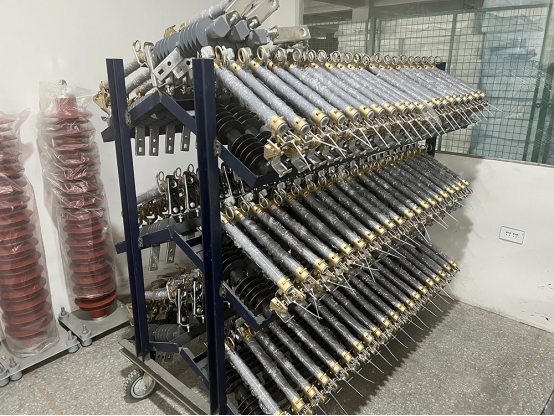
As modern power grids evolve with increasing demands for sustainability and resilience, traditional fuse solutions can struggle to keep pace. Seamless integration of advanced fuse technologies is therefore essential, enabling these systems to adapt dynamically to fluctuating loads and renewable energy inputs. This isn't just about replacing old components; it involves embedding intelligent, responsive features into grid infrastructure to prevent outages and enhance overall efficiency.
One key aspect of this adaptation is the development of smart fuses equipped with real-time monitoring capabilities. These devices communicate with grid management software, allowing for predictive maintenance and rapid fault isolation. For example, in grids with high solar or wind penetration, such fuses can adjust their response thresholds based on weather forecasts, minimizing downtime and ensuring a stable power supply even during peak generation periods.
Looking ahead, seamless integration will likely involve further innovation in materials and connectivity, such as self-healing fuses that automatically reset after minor faults. By prioritizing adaptability over mere replacement, fuse solutions can transform from passive safety components into active contributors to grid modernization, supporting a future where energy systems are both robust and flexible.
Beyond Basic Safety: Smart Designs That Minimize Downtime and Maintenance
Modern engineering increasingly focuses on integrating smart designs that go beyond mere safety protocols to actively reduce operational interruptions and upkeep demands. Instead of simply meeting regulatory standards, these advanced systems incorporate predictive analytics and real-time monitoring, allowing for proactive adjustments before minor issues escalate into costly failures. This forward-thinking approach not only enhances workplace protection but also slashes unplanned downtime, making operations more resilient and efficient.
By leveraging technologies such as IoT sensors and AI-driven diagnostics, smart designs provide a continuous flow of data that identifies wear-and-tear patterns or potential malfunctions early on. This enables maintenance teams to schedule repairs during off-peak hours, rather than reacting to emergencies that disrupt productivity. As a result, equipment longevity improves, and the overall need for frequent, invasive maintenance diminishes, saving both time and resources while keeping safety at the forefront.
What sets these innovations apart is their ability to learn and adapt over time, tailoring responses to specific operational environments. This customization ensures that downtime is minimized without compromising on safety, creating a seamless balance between protection and performance. In industries where every second counts, such designs are proving indispensable, offering a competitive edge by fostering smoother, more reliable workflows.
Resilience in Harsh Environments: Fuses Built to Withstand Extreme Conditions
In the heart of industrial settings or remote outdoor installations, electrical components face relentless challenges—extreme temperatures, moisture, dust, and vibrations that can compromise performance. Fuses designed for these harsh environments are engineered with a robust focus on durability, using specialized materials like ceramic housings and weather-resistant seals to prevent ingress and ensure reliable operation even under duress. This resilience isn't just an added feature; it's a critical safeguard that maintains circuit protection when standard fuses might falter, reducing downtime and preventing costly failures.
Beyond mere protection, these fuses often incorporate innovative thermal management and shock-absorbing designs to handle rapid temperature swings or mechanical stress. For instance, some models utilize alloy formulations that maintain stable electrical characteristics across a wide range, while others feature reinforced terminal connections to withstand constant vibration in automotive or marine applications. This tailored approach allows them to excel in sectors like renewable energy, military hardware, and oil refineries, where failure isn't an option.
Choosing the right fuse for extreme conditions involves more than just checking amperage ratings; it requires understanding the specific environmental threats. Manufacturers conduct rigorous testing, such as exposure to -40°C cold or 85°C heat, immersion in water, and salt spray simulations, to validate performance. By prioritizing these fuses, engineers can build systems that not only survive but thrive in demanding scenarios, ensuring safety and longevity with minimal maintenance.
Cost-Effective Reliability: Balancing Performance with Long-Term Value
In today's fast-paced business landscape, achieving cost-effective reliability isn't just about trimming expenses—it's about smartly integrating durability and efficiency to maximize long-term returns. This approach requires a careful evaluation of upfront costs against ongoing performance, ensuring that investments deliver consistent value without sacrificing quality. By focusing on robust materials, proactive maintenance, and scalable designs, companies can avoid the pitfalls of short-term fixes and build resilience that pays dividends over time.
Striking the right balance means looking beyond initial price tags to consider factors like energy consumption, repair frequency, and adaptability to evolving needs. For instance, opting for slightly higher-cost components that offer extended warranties or energy savings can lead to significant cost reductions in the long run. This strategy not only enhances operational stability but also fosters customer trust by minimizing downtime and unexpected failures, ultimately contributing to a stronger brand reputation.
Ultimately, cost-effective reliability is a dynamic process that involves continuous monitoring and refinement. Embracing technologies such as predictive analytics can help organizations anticipate potential issues before they escalate, allowing for timely interventions that preserve both performance and value. By prioritizing a holistic view of asset management, businesses can create sustainable systems that thrive under pressure and adapt to market shifts, ensuring lasting success in an ever-changing environment.
Future-Proofing Systems: Innovations Driving the Next Generation of Electrical Safety
In an era where rapid technological advancement is the norm, staying ahead in electrical safety requires more than just meeting current standards—it demands a proactive approach to future-proofing systems. Innovations in this field are no longer incremental; they are transformative, integrating smart technologies, predictive analytics, and resilient designs to anticipate and mitigate risks before they escalate. By embracing these forward-thinking solutions, industries can not only enhance safety but also adapt seamlessly to evolving demands, ensuring that electrical infrastructures remain robust and reliable for decades to come.
Key innovations driving this next generation include the adoption of artificial intelligence for real-time hazard detection and the development of self-healing materials that automatically repair faults. These technologies minimize human intervention, reduce downtime, and drastically lower accident rates. Moreover, the shift towards modular and scalable systems allows for easy upgrades, preventing obsolescence and supporting sustainable growth. As a result, businesses and communities are better equipped to handle unforeseen challenges, from extreme weather events to increasing energy consumption, without compromising on safety.
Ultimately, future-proofing electrical safety is about creating a dynamic ecosystem where innovation and adaptability are at the core. By leveraging breakthroughs like IoT connectivity for continuous monitoring and advanced insulation techniques that withstand higher voltages, we're building a safer, more efficient world. This proactive mindset not only protects assets and lives but also fosters trust and confidence in a rapidly changing technological landscape, setting a new benchmark for safety excellence.
FAQ
It refers to advanced fuse systems designed to interrupt electrical faults quickly and safely, minimizing damage and enhancing overall system reliability.
They incorporate features like rapid arc quenching and automatic disconnection upon fault detection, reducing fire hazards and protecting equipment from overloads.
Their robust design and materials withstand environmental stresses, ensuring consistent performance in industrial, commercial, or residential settings without frequent failures.
Yes, features like visible fault indicators and easier replacement mechanisms speed up repairs, cutting downtime and labor costs significantly.
Absolutely, many models offer compatibility with monitoring systems, enabling remote diagnostics and real-time alerts for proactive maintenance.
Key factors include voltage ratings, fault current capacity, installation environment, and compliance with industry standards to ensure optimal safety and fit.
They typically offer faster response times, better durability, and enhanced safety features, making them a cost-effective upgrade for aging electrical infrastructures.
Conclusion
Top Drop-Out Fuse Solutions represent a significant advancement in electrical system protection, elevating safety standards by preventing catastrophic failures through sophisticated fault isolation mechanisms. These devices seamlessly integrate with modern grid demands, adapting to increasingly complex electrical infrastructures to ensure uninterrupted power flow and enhanced reliability. Beyond basic safety, smart designs minimize downtime and maintenance, incorporating features that allow for swift fault detection and easier servicing, thereby reducing operational disruptions. Furthermore, these fuses demonstrate remarkable resilience in harsh environments, engineered to withstand extreme temperatures, humidity, and other adverse conditions without compromising performance.
This resilience is complemented by a cost-effective approach that balances superior performance with long-term value, offering durable solutions that reduce replacement frequency and associated expenses. Innovations in drop-out fuse technology are future-proofing electrical systems, driving the next generation of safety measures with advancements like enhanced materials and smarter monitoring capabilities. Overall, these solutions not only enhance safety and reliability but also contribute to sustainable and efficient electrical management, making them indispensable for modern applications where robust and dependable protection is paramount.
Contact Us
Contact Person: Doreen
Email: [email protected]
Tel/WhatsApp: 8618057712366
Website: https://www.liugaopower.com/