

Top Facial Cupping Cups for a Natural At-Home Lift
2026-11-24
If you’ve been chasing a natural lift without needles or pricey devices, facial cupping might already be sitting in your cart. The catch? Most sets either grip too hard or do almost nothing. HAOSHUFU takes a different approach, with cups designed to glide rather than pull. In this guide, I’m breaking down the top cups that actually help skin look firmer—without leaving your bathroom feeling like a clinic.
A Lift That Starts With a Lighter Touch Than You'd Expect
Most elevator rides announce themselves with a sudden jerk, that split-second lurch that makes you grip the handrail before the doors even close. This one doesn't. The floor simply begins to move beneath you, so gradually that your inner ear barely registers the change. There's no mechanical clank, no abrupt shift in weight—just a quiet glide that feels less like ascending and more like the building exhaling.
What makes the difference is the way the acceleration curve has been tuned. Instead of ramping up to full speed in the first second, the lift spends its opening moments in a kind of soft launch, building momentum at a rate your body can absorb without noticing. By the time you realize you're moving, you're already several floors above where you started, and the transition from stillness to motion has passed without a single uncomfortable moment.
It's a subtle thing, easy to overlook unless you ride enough elevators to feel the contrast. Most people won't think about why this one feels smoother—they'll just step out at their floor with a vague sense that the trip was oddly pleasant, the kind of detail that lingers long after the doors slide open.
Choosing Between Firm Silicone and Delicate Glass Cups
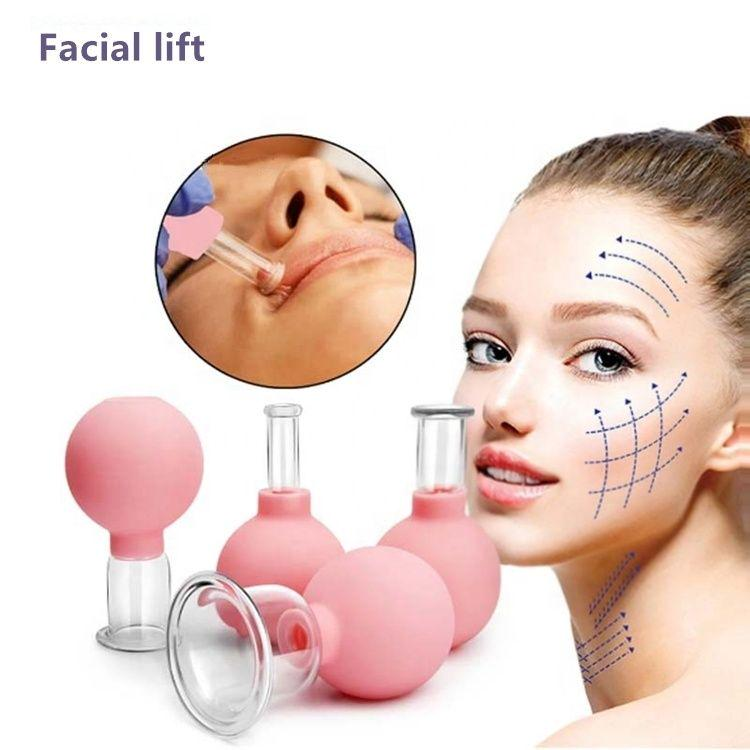
Some mornings call for the sturdy grip of silicone, the kind that survives a clumsy knock against the kitchen counter without a second thought. It has a slight give under your fingertips, muffles the clink, and keeps your tea warm longer than you expect. You might reach for it when you are half-asleep, when the world feels a bit too breakable already.
Other days, nothing satisfies like the thin rim of a glass cup meeting your lip. The weight is lighter, the surface smooth and cool until the heat blooms through. You can watch the color of the coffee or the slow swirl of loose leaves, and that transparency becomes part of the ritual. But it asks for care—a gentle hand in the sink, a deliberate placement on the coaster, a small pause before you pick it up.
The choice rarely comes down to durability alone. It is more about what you want from that brief moment: the forgiving, grounded feel of silicone or the clear, delicate honesty of glass. One hides nothing; the other forgives everything.
The Three-Pass Method for a Naturally Even Finish
Most uneven finishes come from trying to load the surface too quickly. The first pass in this method is deliberately spare—just enough to seal the pores and dampen the material without creating puddles. It looks thin at first, but that starving layer is what keeps later passes from sliding around.
The second pass does the real leveling work. Move steadily in overlapping bands, and whenever you reach a wet edge, return to it before it starts to tack. You are not pressing the finish into the surface; you are giving it a consistent place to settle so the film thickness stays close from edge to edge.
Use the third pass almost like a dry glide. The tool should skim the surface with minimal pressure, picking up excess and softening ridges left by the previous stroke. Stop while the surface still looks uniformly wet but not heavy. That quiet final pass is what dries down to a smooth, even finish without streaks or shiny patches.
Why Less Pressure Often Brings Out More Glow
There’s a strange truth in skincare: the less you force it, the more your skin seems to glow. A lighter hand with cleansing, toning, or applying serum often leaves a calmer, more even look than pressing and rubbing for the sake of thoroughness. Skin responds to signals. Rough friction can read as stress, while a soft, steady touch helps keep the barrier intact and the natural sheen visible.
Over-exfoliating and layering too many actives can create the same kind of pressure from the inside. The skin doesn’t need to be pushed into submission; it usually performs better when given fewer, well-chosen products and time to adjust. That glow people chase is rarely the result of doing more. It tends to appear when the routine feels almost boring in its gentleness.
This also shows up in daily habits. Sleep, water, and lowering background stress do more for brightness than any aggressive tool. When the body isn’t constantly bracing against pressure, circulation improves and the face carries that rested, open look. Softness, it turns out, is not passive. It’s often the quickest route to a visible glow.
Mixing Your Cups With Oils That Already Work for Your Skin
If a facial oil has already earned its place in your routine, use that same oil when you bring out your cups. There is no need to switch to a heavier or trendier product just because you are adding suction. Your skin already recognizes the oil, so you remove one variable and can focus on how the cups feel instead of worrying about a new reaction.
Put a few drops on damp skin and let your fingers spread it evenly before the cup touches your face. The oil should give you enough slip for the cup to glide without dragging, but it shouldn't pool. If a cup sticks too firmly or you feel pinching, add a little more oil, or try smaller lifts instead of pulling the cup across the same area repeatedly.
Keep the pressure light and the movement slow. You are not trying to chase redness or leave marks; you are using the oil and cup together to wake up the skin gently. Afterwards, pat in whatever remains rather than wiping it all away, especially around dry or tight areas that already respond well to that particular oil.
A Calm Weekly Rhythm That Keeps Puffiness From Coming Back
Puffiness tends to creep back when your routine swings between extremes—too much salt one day, too little water the next, late nights followed by crash mornings. A steadier weekly rhythm gives your body fewer reasons to hold onto fluid. It helps to anchor a couple of mornings around movement that feels gentle rather than punishing: a walk before screens, some light stretching while the kettle boils, or a few minutes with your legs up the wall after you wake.
Most days, the small things do more than a single “detox” attempt ever could. Keeping a water bottle where you actually see it, eating potassium-heavy foods like bananas or spinach a few times a week, and having one or two mostly plant-based dinners can keep sodium levels from building up. You do not need to be perfect; you just need the rhythm to be boring enough to stick.
The calm part matters too. High-intensity everything—workouts, deadlines, even wellness trends—can keep your system in a low-grade stress state that makes puffiness worse around the eyes and face. Letting one evening be genuinely slow, with an early shower and an earlier screen cutoff, often calms the kind of overnight fluid shifts that show up in the morning. Over a few weeks, that consistency quietly becomes the reason the puffiness stops returning.
FAQ
Look for soft silicone cups with a gentle squeeze mechanism. Glass cups are traditional but trickier to control on your own face. The best home sets usually come in two or three sizes so you can work around the jaw, cheeks, and under-eye area without pulling too hard.
Keep the suction light and keep the cup moving. Static cupping on the face can leave little red welts, so glide the cup over oiled skin and release immediately if it feels pinchy. A few slow passes per area is enough.
Better to skip inflamed areas. Cupping increases circulation and can make redness or swelling worse if you pass over cysts or broken skin. You can still cup around the breakout zone, but give active spots space to heal.
Two to three times a week is a sweet spot for most people. Daily use can irritate delicate facial skin, especially around the eyes. Consistency over weeks tends to give more noticeable results than doing it aggressively in one session.
A slippery facial oil or a rich serum works best. You need enough glide so the cup does not drag. Avoid sticky or fast-absorbing formulas. If you are pairing it with gua sha, apply a little more oil than you think you need.
No. You may feel a light pulling sensation, but sharp pain or burning means the suction is too strong. Try a smaller cup or squeeze the bulb less. The face responds to much lighter pressure than the body.
Immediate results often look like a fresh, awake appearance, but that fades within a day or so. With regular use, the skin can look more toned and less puffy over time, but it is not a permanent facelift. Think of it as maintenance rather than a one-time fix.
It is better to separate them. Cupping increases blood flow and can make skin more reactive, so using it right after strong actives may cause redness or sensitivity. On nights you cup, stick to gentle, hydrating products and save retinols for another evening.
Conclusion
Facial cupping at home usually feels gentler than most people expect, and the best cups are designed around that lighter hand. If your skin is prone to redness, firm silicone cups tend to be easier to control, while delicate glass cups offer a smoother glide that can feel more precise along the jaw and cheekbones. Rather than working in random directions, try a simple three-pass pattern: move from the center of the face upward, then sweep outward toward the ears, and finish with light strokes down the neck. This keeps the lift even and helps you avoid the strong suction marks that come from pressing too hard.
A lot of the glow actually comes from using less pressure, not more. Pairing the cups with a facial oil your skin already likes gives enough slip to prevent tugging, and the lighter suction seems to wake up circulation without irritating the surface. A calm weekly rhythm, maybe two or three short sessions, also makes a difference because it keeps puffiness from settling back in. Over time, that kind of consistency matters more than the price of the set; what sticks is a slower, gentler way to bring some lift back to the face and keep it there.
Contact Us
Contact Person: Wang Chong Fong
Email: [email protected]
Tel/WhatsApp: 8618926872832
Website: https://www.dgxiangqin.com