

Vertical Check Valve Supplier Qualities That Ensure Long-Term Reliability
2026-11-28
Price and delivery time dominate most buying decisions, but they won't tell you whether a vertical check valve will still be sealing properly five years from now. Long-term reliability comes from less obvious supplier qualities—material traceability, testing discipline, and a willingness to push back on misapplied specs. At UPTAI, these aren't sales extras; they're the baseline. If your current supplier can't show the same, this guide will help you spot the difference before the next failure does.
Raw Material Records You Can Actually Follow
Most raw material logs fail because they capture what arrived, not what someone actually needs to know later. A record you can follow starts with the decisions a future reader might have to make: Is this lot still safe to use? Which batches touched it? Where is it sitting right now? If the note only says “flour, 50 lb,” it is not really a record; it is a memory aid nobody can act on. Include supplier lot, received date, condition on arrival, and storage location, written in plain language rather than shorthand that only makes sense for about a day.
The better test is whether someone on another shift can trace a problem without asking three people and digging through emails. A line like “slight condensation on inner bag, moved to dry storage, sample held” gives the next person a clear thread to pull. It feels slower to write, but it prevents the quiet guessing that later turns into rejected product, wasted material, or an all-morning search for one pallet.
Useful raw material records also separate what was observed from what was done about it. Keep a space for what you saw, what you changed, and what still needs follow-up. That keeps the record valuable after memory fades and stops small irregularities from disappearing behind a checkmark. The point is not documentation for its own sake; it is giving the next reader enough context to keep the work moving without starting from zero.
Test Results That Show More Than Pass or Fail
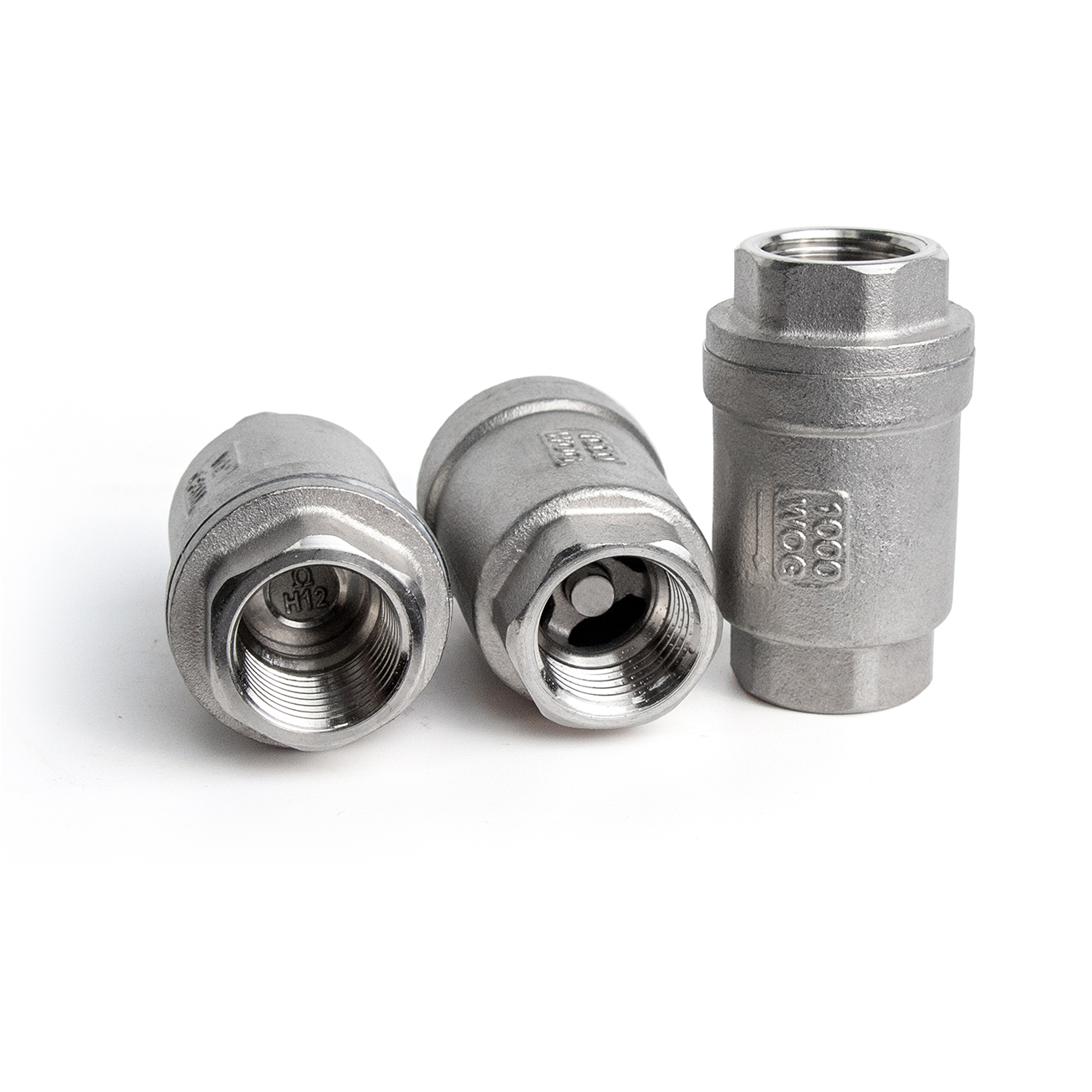
A pass or fail label reduces a test run to a single bit, but most failures and near-misses carry far more clues than that. A case can pass while latency drifts upward, or fail only because a shared fixture was left dirty by an earlier step. Results become genuinely useful when they include timing, the exact assertion that broke, the environment name, and a short trace of what changed since the last clean run.
Treating a result like a brief field note rather than a checkbox changes how teams respond. Instead of hunting through logs for the one relevant line, a developer can see expected versus actual values, a diff of the failing input, or a screenshot from the UI at the moment something went wrong. That extra context often turns a vague failure into an obvious fix before anyone has to reproduce it by hand.
Richer results also make patterns visible over time. You might notice that a particular test only flakes when the database container starts slowly, or that a refactor pushed the suite runtime up by nearly half without adding new coverage. Pass or fail alone would never reveal those shifts, but the surrounding data makes them hard to ignore.
Application Questions Asked Before You Place an Order
Before you can complete an order, we ask a short set of focused questions. They cover things like intended use, project scale, and specific material or finish requirements. The goal is not to add friction, but to catch potential mismatches early and route your request to the right team.
Some questions may expand based on your earlier answers. For example, if you select a custom finish, you may be prompted for more detail about environmental conditions or handling expectations. If a question feels unclear, you can leave a brief note instead of guessing, and we will follow up before any work begins.
Your answers help us avoid back-and-forth later and give you a more accurate timeline and quote from the start. You can save your progress and return to finish the answers at any time before placing the order.
Inventory Visibility When Your Timeline Slips
A delayed shipment used to mean a flurry of phone calls and spreadsheet updates. Now the real problem is quieter: your storefront keeps selling units that are stuck in a container outside a port. Without live inventory visibility, a delay is not just a back-office nuisance; it becomes an oversell risk that customers feel immediately.
The fix starts with pulling in supplier milestones and in-transit tracking feeds, not just warehouse stock counts. When a timeline moves, the available-to-promise numbers should move with it automatically. Some teams also add buffer rules by lane or vendor, so a two-day slip in inbound freight does not quietly eat through safety stock without a single alert.
It also helps to make the delay visible to the people who actually change decisions: buyers, merchandisers, and support reps. A shared view showing what is on hand, what is genuinely on the way, and what is now at risk turns a slipped timeline from a surprise into a set of choices around allocation, substitutes, and honest delivery dates.
Failures That Make Their Next Valve Better
A cracked seat on a high-pressure steam line taught the engineering group more than any simulation. The failure trace pointed to uneven thermal expansion near the bonnet, so the next revision split the seat ring into two stages and added a nickel-alloy overlay. That single field return changed the default clearance on every future steam valve.
Not every failure is dramatic. A slow weep at the stem packing on a chlorine service valve looked minor until routine maintenance showed chloride stress cracking along the bolt heads. The fix was not a new coating; it was a redesigned gland flange that distributed load more evenly and used bolting with a different metallurgy. Later valves shipped with that geometry without an increase in list price.
Cavitation pitting on a pressure-reducing valve after only four months led to a borrowed idea from diesel injectors: a multi-stage plug with a sacrificial bushing. The first prototypes failed a little more quietly, which told the team they were measuring the wrong thing. The production version added a hardened downstream seat and a replaceable trim cartridge, so the next failure becomes a one-shift repair instead of a teardown.
Inspection Habits That Outlast Personnel Changes
When a facility runs well only because one person happens to be relentless about checking gaskets or walking the line before startup, that reliability is borrowed, not owned. The habits that actually survive turnover tend to be the ones that are visible, named, and boring enough to repeat without charisma. A clipboard on the wall, a shared photo log, a five-minute round that anyone can lead — these things quietly hold the standard in place when the original inspector moves on.
The trick is to build the routine around the role, not the individual. Instead of relying on someone's sharp eye or long memory, teams do better when they write down what “good” looks like in plain terms and rotate the responsibility often. A junior mechanic should be able to run the same checks as a veteran supervisor and catch the same loose bolt or worn seal. Once the habit belongs to the group, it stops being a personal project and starts being part of the operating rhythm.
What usually kills inspection habits is not resistance but silence. People stop checking because no one talks about the results. Making the findings visible — even the clean ones — keeps the practice alive. A short note at shift handoff, a dated photo, a circled item on a shared sheet: these are small signals that the check still matters. That way, when someone leaves, the next person steps into a habit that was never dependent on a single set of hands.
FAQ
Ask for traceability on the raw castings and trim materials, not just a certificate on the wall. A supplier worth keeping will be able to show heat numbers, melt records, and test reports tied to the specific valve serial number you receive. If that trail gets vague when you ask about a particular order, move on.
It matters more than most people admit. A supplier that performs shell, seat, and backpressure tests before shipping catches issues that a reseller simply cannot see. Ask what test medium they use, whether they test every valve or just batch samples, and whether they will send the signed test report with the shipment.
Look for guidance on guide bushing clearance, seat angle, and whether the disc is sprung or relies on gravity and reverse flow. Suppliers who understand vertical installations will ask about flow direction, pulsation, and the possibility of reverse flow slam before quoting. Generic resellers rarely bring those points up.
Not necessarily. A long warranty is easy to print and hard to collect if the supplier does not have a clear failure analysis process. Ask what happens when a valve leaks after installation: who inspects it, how fast they respond, and whether they will share the root cause. That conversation reveals more than the warranty document.
Because two valves with the same dimensions can behave very differently under thermal cycling or corrosive flow if one uses lower-grade castings or trimmed internals. A supplier that controls and documents material sourcing prevents a cheap substitution from turning into a cracked body or an eroded seat later.
Ask for installations that are still in service after several years in similar conditions to yours, not just a list of past customers. A dependable supplier can usually describe the operating pressure, fluid, temperature range, and why the valve survived. If they cannot speak about actual service conditions, treat the references as marketing fluff.
Request a specific after-sale service path: spare part availability, delivery time for replacement internals, and whether they can support field adjustments or rebuilds. If the response is just contact our sales team, that is a sign you may be on your own once the invoice clears.
Conclusion
Long-term reliability in a vertical check valve rarely comes from the polished catalog page. It starts with raw material records that trace a casting back to its heat number, so you can see exactly what alloy entered the shop and when. A supplier worth keeping also shares test data that goes beyond a simple pass stamp: cracking pressure, seat leakage at low backpressure, and closure response under reverse flow all tell you how the valve will behave after thousands of cycles. Before quoting, strong suppliers ask about mounted orientation, pulsation, solids content, and whether the line ever sees vacuum conditions, because those details change seat and guide material choices.
After the order is placed, reliability depends on honest inventory visibility. If a foundry delay pushes your delivery, you should know which machining step is affected and what can be shifted rather than receiving a vague excuse. Good suppliers also treat field failures as design input, not embarrassment; a revised spring specification or a wider guide bushing often comes directly from a returned unit. Finally, their inspection habits are written into checklists and photographs, so quality does not leave when a veteran inspector retires. That combination of traceability, plain technical conversation, and institutional learning is what keeps a vertical check valve dependable over the long run.
Contact Us
Contact Person: Adonis
Email: [email protected]
Tel/WhatsApp: 8615858822657
Website: https://www.uptaivalve.com