
Wholesale Gift Box Ideas for Memorable Unboxing Experiences
2026-10-06
When a customer peels back the tape on a generic box, the unboxing moment often ends before it begins. But the right wholesale gift box can turn that split second into a lasting impression. From textured finishes to clever inserts, small choices at the wholesale level make a big difference in how your product is received. In this guide, we explore practical ideas from Kuaijie Carton that help you create memorable unboxing experiences without overcomplicating your packaging supply chain.
Why Bulk Gift Boxes Turn First Impressions into Lasting Brand Moments
It starts before the ribbon comes off. A bulk gift box is rarely just a container—it's the first physical handshake between a brand and its recipient. When someone lifts the lid and feels the weight, sees the texture, and registers the care tucked into every corner, they're not unpacking a product. They're absorbing a story. Bulk doesn't mean generic; it means consistency with creative latitude. The smartest brands treat each box as a small stage where every fold, insert, and color cue whispers the same message: we noticed you.
The transition from first impression to lasting memory hinges on sensory details that are easy to overlook. A matte finish that resists fingerprints, a flap that opens with a satisfying soft resistance, a subtle emboss where fingers naturally rest—these micro-moments accumulate into an emotional echo. Recipients may not articulate why the box felt different, but they'll remember the moment of opening weeks later. Bulk orders magnify this effect: when a team receives matching boxes or a client unboxes a carefully tiered set, the shared experience anchors the brand to a specific, positive emotion. That's where a simple package becomes a brand artifact people keep on a shelf, reuse for storage, or show someone else.
Durability plays a quiet but decisive role. A flimsy box is forgotten the second it collapses. A well-constructed bulk box, with reinforced edges and a lining that doesn't crack, invites re-opening and re-handling. Each reuse is free brand exposure, but more importantly, it's a memory trigger. The box becomes a drawer for desk items, a keepsake for notes, a tray for small tools. Long after the initial reveal, the tangible object keeps delivering the same unspoken line: this brand thought beyond the sale. That's the real difference between a one-time wow and a lasting brand moment—designing not for the first glance, but for the hundredth touch.
Unboxing That Feels Like an Event, Not an Afterthought
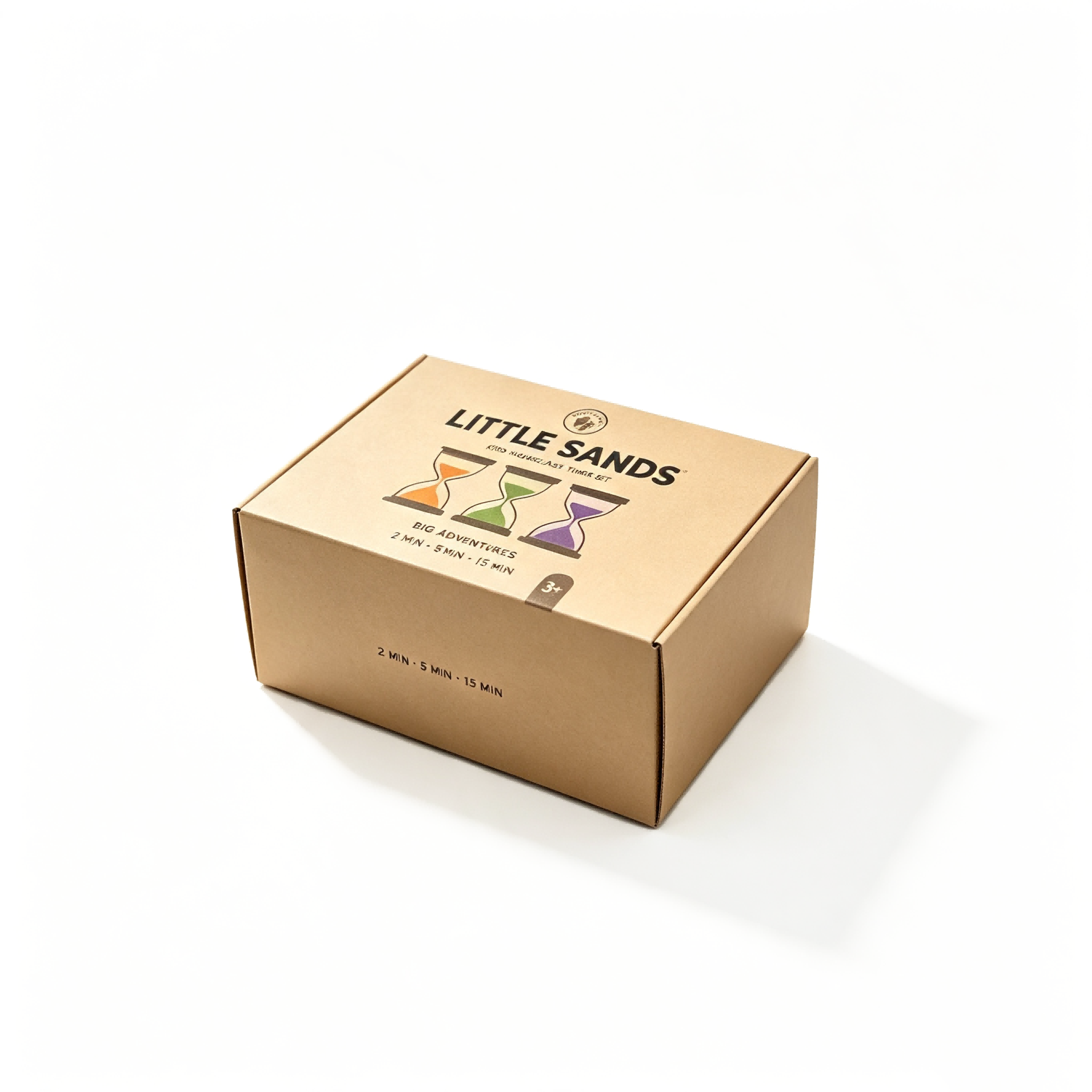
The first thing you notice is the weight. Not heavy enough to feel cumbersome, but substantial enough to tell you something inside was made with intent. The box has a soft matte finish that resists fingerprints, and the pull tab gives way with a clean, audible snap. It's a small moment, but it pauses you. Before the product is even visible, the box has already shifted your mood from routine to curious.
Inside, there's no avalanche of crinkled paper or brittle plastic trays. Instead, the product sits in a molded bed that fits its exact silhouette, almost like a stage waiting for a curtain lift. A small card rests on top, printed on textured stock, with a single line that reads less like a manual and more like a note from someone who actually built the thing. Even the protective film peels away in one satisfying sheet, leaving no stubborn corners behind.
By the time you lift the product free, the unboxing has done its job. It didn't just transport an object; it built a short, quiet ritual around it. That feeling lingers long after the box is recycled, turning a simple delivery into something closer to a small ceremony.
Smart Material Choices That Protect Products and Elevate Perceived Value
The shift from generic packaging to materials with tactile and protective intelligence is quietly reshaping how consumers judge a product before they even open it. A matte, softly textured box that resists fingerprints can make a skincare line feel more considered than its glossy competitor, while a rigid, molded pulp insert cradling a glass bottle signals both fragility and care. These choices aren't just about avoiding damage in transit; they create a sensory prelude that hints at the quality waiting inside. When the material itself does the storytelling—like a recycled kraft paper with visible fibers suggesting authenticity—perceived value rises without a single word of marketing.
Many brands default to foam or bubble wrap because they're cheap and familiar, but these materials often undermine the very premium they're trying to convey. Swapping them for die-cut corrugated cardboard, molded paper pulp, or even mycelium-based cushioning can transform an unboxing from a chore into a moment of quiet luxury. A well-engineered paper structure that holds a device snugly not only prevents scratches but also feels like a deliberate design decision rather than an afterthought. This kind of material smartness works on two levels: the functional layer keeps the product safe, while the aesthetic layer whispers that someone thought about every detail.
What makes a material choice "smart" is rarely its novelty—it's the fit between the product's vulnerability and the material's natural strengths. A lightweight glass vial might pair beautifully with a thick, uncoated cardstock sleeve that absorbs shock, while a heavy ceramic jar benefits from a snug-fitting wooden lid liner instead of plastic film. The best solutions often involve using less, not more: a single folded sheet of textured paper can replace plastic blisters and still hold everything in place. When protection and perceived value come from the same source, the packaging stops being a container and starts being part of the product's story.
Custom Inserts and Surprise Layers Keep Customers Reaching Deeper
The real magic often starts after the first bite. Custom inserts tucked inside packaging work like a quiet invitation — a small card, a fold-out note, or a personalized message that makes the unboxing feel less like a transaction and more like a conversation. These little touches pull people forward, encouraging them to keep exploring what else might be hiding.
Surprise layers take that curiosity further. Instead of revealing everything at once, the design adds subtle depth: a peel-back sticker, a nested compartment, or a second wrapper with a different texture or color. Each layer answers one question while planting another, so customers naturally keep reaching, peeling, and lifting to see what comes next.
It's not about gimmicks. When custom inserts and surprise layers are done with care, they turn a simple product into a small journey. People remember the feeling of discovery long after the item itself is used up — and that quiet pull is exactly what brings them back for another round.
Seasonal Wholesale Boxes That Simplify Inventory and Delight Shoppers
Running a shop means juggling dozens of product lines, and seasonal items tend to multiply that headache fast. Instead of tracking five separate holiday-themed items, a single wholesale box bundles them into one easy-to-manage unit. You count it once, store it in one spot, and reorder with a single line on your purchase sheet. That alone cuts hours of inventory work every week when the season hits.
Shoppers, on the other hand, aren't thinking about your back room. They're drawn to boxes that feel like a little discovery. A well-built seasonal box brings together flavors or motifs that make sense together—think spiced apple candles with cinnamon soap, or a summer grill set with rubs and sauces that pair naturally. That kind of thoughtful mix invites impulse buys without needing a sales pitch. It feels less like a random shelf and more like a recommendation from someone who knows the season.
The trick is not to over-order. Look at what moved last year and adjust by a small margin, not a wild guess. Some suppliers let you swap one or two items inside a box, which helps if your customers lean a certain way. Keep the assortment tight, make the box itself easy to display, and you'll find that seasonal inventory stops being a gamble and turns into a reliable rhythm.
Designing for the Camera: How Gift Boxes Earn Free Social Reach
A box that stops the scroll does more than hold a product—it becomes the reason someone pulls out their phone. When you choose textures that catch window light or add a subtle pattern that photographs beautifully against a kitchen counter, you're not just packaging a gift; you're handing the recipient a ready-made backdrop. The matte finish, the ribbon that falls just so, the inner liner with an unexpected quote: these details quietly ask to be shared.
Think about where your box will live after the unwrapping. If it's sturdy enough to reuse as a keepsake or a drawer organizer, it lingers in the background of countless future photos—on desks, shelves, nightstands. That extended presence is the kind of visibility no ad budget can buy. A color palette that complements common home decor, or a minimal logo that doesn't fight for attention, makes your packaging a welcome prop rather than clutter.
Even the unboxing moment can be engineered for the lens. Nest the item inside a printed tissue that unfolds like a story, or add a small card with a prompt like “Share your favorite detail.” People love showing off thoughtfulness, and when your box gives them something worth photographing, their followers become your quiet audience. The reach is free, but only if the design earns it.
FAQ
Try textured cardstock with a soft-touch laminate, or use recycled kraft paper with a subtle linen finish. A simple debossed logo on the lid adds a tactile cue that feels expensive, while molded pulp inserts made from recycled paper can hold products securely and look far more intentional than plastic trays.
Focus on sequence and reveal. Layer the contents with a branded tissue paper wrap, place a small thank-you card or seed paper on top, and use a box with a magnetic flap or ribbon pull. The act of unwrapping should feel like opening a letter from a friend, not unpacking inventory.
Look for boxes made from FSC-certified paper with soy-based inks. You can use a cotton ribbon instead of synthetic satin, add a plantable seed paper tag, or choose a rigid two-piece box that customers will want to reuse. A minimal design with an embossed botanical pattern often reads as higher-end than glossy printing.
Invest in one strong custom element, like a custom-printed inner liner or a distinctive die-cut window, and keep the rest of the box simple. You can also add a hand-stamped logo or a short handwritten note on the lid. Small inconsistencies that feel human can make the experience warmer than a perfectly printed oversized logo.
Color sets the emotional tone before the product is even seen. Muted earthy tones suggest sustainability and craft, while a deep navy or forest green can feel elegant and calm. Use a single accent color on the inside flap or tissue paper to create contrast against a neutral exterior, which often surprises people more than an all-over bright pattern.
Yes, consider boxes with a ribbon pull tab instead of tape, a magnetic closure that gives a satisfying snap, or a fold-out panel that reveals a printed message when opened. Also think about a removable tray or drawer-style box, which makes products feel discovered rather than dumped out.
Use a modular approach: choose one box style in three or four standard sizes, and create a unified interior system with adjustable cardboard dividers or shredded paper filler in matching colors. A consistent ribbon color, logo placement, and tissue pattern will tie different sizes together while still giving each product enough breathing room.
Include a message inside the lid that suggests a second life, like 'use this as a keepsake drawer' or 'perfect for storing photos.' Choose sturdy rigid boxes with a clean finish and no overly seasonal branding. Reuse extends brand visibility in the home, and customers associate your product with a lasting, useful object instead of single-use packaging.
Conclusion
A customer’s first physical contact with your brand is rarely the product—it’s the box it arrives in. Wholesale gift boxes, selected with purpose, transform routine deliveries into tactile moments that stick. Instead of standard corrugated mailers, look for structures that make opening feel like a small ceremony: a magnetic flap, a soft-touch laminate, or a pull tab that releases with a satisfying whisper. Materials do double duty here. Rigid board carries a quiet authority, while textured kraft brings warmth without extra weight. Both can be built to shield fragile goods while nudging perceived value upward. The point isn’t just protection; it’s presence. A container that feels solid in the hands sets expectations before the lid lifts. When the unboxing reads as an event rather than an afterthought, people instinctively slow down, run their fingers over the edges, and remember who sent it.
Custom inserts are the quiet choreographers of the reveal. Molded trays, tissue wraps, or a second flap tucked behind the first guide the eye and hand deeper. A note hidden under the product, or a seasonal pattern printed on the interior, turns a quick peek into a slow discovery. For shops juggling holiday and limited-run stock, wholesale boxes with swappable sleeves or reversible covers cut storage headaches while letting the same base serve multiple occasions. And since so many unboxings now end up on camera, design for the lens: high-contrast liners, crisp typography, and a top layer that photographs cleanly without rearranging. That kind of raw, shareable moment costs nothing extra but travels further than any paid ad. A well-built gift box, in the end, is a quiet ambassador that keeps working long after the tissue hits the floor.
Contact Us
Contact Person: Tan Xiang
Email: [email protected]
Tel/WhatsApp: 8613798906863
Website: https://www.dgkjzx.com