

Wine Packaging Made Easy: How to Choose the Right Container for Any Wine
2026-07-27
Choosing the perfect wine container can feel like a guessing game—glass, box, or bag—which one truly preserves your vintage? At Kody, we know the right packaging is half the story. In this guide, you'll discover how to match every wine to its ideal vessel, ensuring taste, freshness, and style from cellar to table.
Understanding Wine’s Real Needs
Wine isn't just a beverage; it's a living narrative that evolves with every passing year. Its real needs go far beyond temperature control or a dark cellar. A bottle craves stability—a quiet corner free from vibrations that can disturb its delicate sediment, and a consistent humidity that keeps the cork from drying out or mold from creeping in. It asks for patience, for a moment of stillness before it’s poured, allowing its bouquet to unfurl like a story waiting to be told. Too often, we rush wine to the glass, forgetting that its greatest need is time—time to breathe, time to express the soil, the sun, and the hands that shaped it.
There's an unspoken dialogue between wine and its keeper. It doesn't demand constant attention, but it does require mindfulness. A wine’s true need is to be understood on its own terms—whether it’s a robust red yearning for a decanter to shed its youthful tannins, or a fragile white that simply wants to be left alone until the right moment. It needs glassware that respects its character, not just any vessel from the cupboard. Serving temperature becomes a quiet act of care: a slight chill to lift the freshness of a Riesling, or a gentle warmth to coax out the hidden depths of an aged Bordeaux. When we listen to what the wine is telling us, it rewards us with transparency and emotion, not just flavor.
Perhaps wine’s most overlooked need is companionship—not just with food, but with the right moment. It thrives when shared, when its presence marks a pause in the rush of daily life. A bottle uncorked in solitude on a Tuesday evening can be a meditation, a reminder that not all pleasures require an audience. Its real needs are human ones: to be noticed, to be savored, to be remembered. In a world that increasingly chases convenience, wine still asks for ritual. And in honoring that ritual, we don't just serve a drink—we acknowledge a living thing that has traveled time to reach our table.
Glass Bottles Aren’t Always the Answer
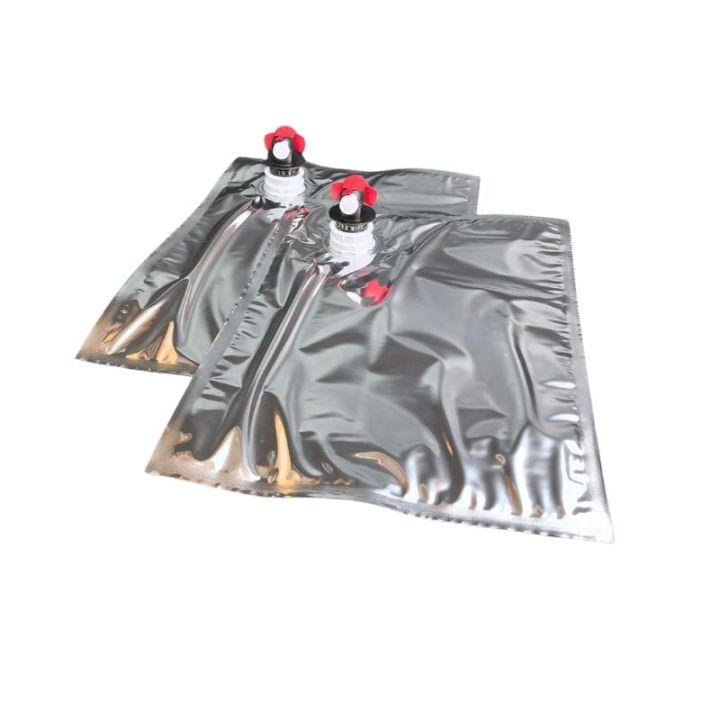
It’s easy to assume that glass bottles are the eco-friendly choice, especially given how often they’re touted as endlessly recyclable. But the reality is more nuanced. Manufacturing glass requires extremely high temperatures, which means a significant amount of energy—often from fossil fuels. Plus, glass is heavy, so transporting it generates more carbon emissions compared to lighter alternatives like aluminum or certain plastics. When you factor in the full lifecycle, glass isn’t automatically the greener option.
Lightweight Options That Protect Just as Well
Many assume that solid protection comes wrapped in bulk, but modern materials flip that idea on its head. Today's lightweight cases and covers rely on advanced polymers, impact-dispersing foams, and honeycomb structures that absorb shock far better than their plush ancestors. The result is a feather-thin shield that doesn't add any noticeable weight to your bag or pocket, yet still fends off daily knocks, scratches, and even the occasional tumble onto unforgiving concrete.
Beyond just physical armor, these streamlined designs preserve the original feel of your device. You get the tactile satisfaction of a slim profile without sacrificing grip, and ports remain easily accessible without chunky cutouts. It's a minimalist approach that quietly defies the old trade-off between bulk and safety, proving that less material—engineered intelligently—can deliver more peace of mind.
When Bigger Is Better—and When It’s Not
Size often carries an unspoken promise. A sprawling house suggests abundance, a larger company implies stability, and an oversized meal feels like value. But the reality is more textured. In many cases, bigger does deliver: a roomier car makes long family trips bearable, and a wider network can open doors that remain stubbornly shut for the leaner operation. The trick lies in recognizing when expansion genuinely adds capacity versus when it simply adds weight.
The downsides of unchecked growth are easy to overlook until they're impossible to ignore. More square footage means more cleaning, higher utility bills, and a creeping sense that you're working to maintain what you own rather than enjoying it. In business, layers of management can smother the very agility that sparked early success. Sometimes the most elegant solution isn't the biggest one, but the one that fits the actual need without the burden of excess.
Context changes everything. A giant supermarket is a nightmare when you just need milk, but a blessing before a holiday dinner. A massive team can dilute accountability, yet a tiny one might lack the horsepower for complex challenges. The wisdom isn't in blindly chasing scale or avoiding it, but in asking a better question: bigger for what purpose, and at what real cost?
Special Finishes That Keep Wine Fresh
Some wines come with a little secret—a thin layer of argon or nitrogen gas resting just above the liquid. It’s invisible, but it keeps oxygen at bay, so the bottle you opened last week still tastes vibrant today. This isn’t just for high-end cellars; more everyday wineries are adopting the technique to give you that same just-opened freshness without any extra effort on your part.
Then there’s the vacuum approach, where the air gets pulled right out of the bottle. A special closure system lets you remove the oxygen quickly and reseal, often with a satisfying click. It’s a simple, gadget-free way to extend the life of a red or white, and it’s quietly gaining fans who prefer a no-fuss, reliable method over pumping or spraying anything into the bottle.
Some finishes go even further, coating the inside of the bottle with a microscopic barrier that actively blocks oxygen from seeping in—or out. This kind of innovation means the wine stays protected long after the cork is popped, preserving the subtle aromas and bright acidity that usually fade within a day. It’s a bit like having a personal guardian for every pour, keeping things lively until the last glass.
Shapes and Closures That Make Pouring Effortless
It starts with the silhouette. A well-designed spout isn't just a cutout—it's a curve that guides the liquid, minimizing drips and that awkward glug. Think of a teapot that tilts forward, the stream following a clean arc into your cup without a single splash. The geometry of the rim matters too; a subtle lip can break surface tension at the perfect moment, releasing a smooth pour instead of a messy surge.
Then there's the closure. A cap that twists into place with a soft click, sealing tight enough to stop leaks but easy to open one-handed. Silicone gaskets tucked inside the lid form a quiet barrier—no spills in your bag, no stale air creeping into your coffee. Some designs use a flip-top that snaps back with a satisfying motion, leaving the opening wide and clear, so you never have to wrestle with sticky threads or fumble with small parts in the morning rush.
What ties it together is how these elements work in harmony. The shape dictates the flow; the closure preserves the freshness. A vessel that lets you pour without thinking, that feels natural from hand to mouth, is the result of countless small decisions—the angle of a neck, the heft of a cap, the way a silicone valve releases pressure. When done right, you hardly notice it. You just pour, every time, without a second thought.
FAQ
Start with how the wine will be consumed. If it's for immediate drinking, like a picnic, cans or boxes with taps are ultra-convenient. For aging or gifting, glass bottles with proper closures are still the gold standard.
They matter a lot for wines meant to evolve. Glass is inert, doesn't react with the wine, and natural cork allows tiny amounts of oxygen in for graceful aging. For a Tuesday-night red, though, the container matters less than you'd think.
It's perfect for portability and freshness. Cans block all light and oxygen, so the wine stays vibrant for up to a year. Plus, they chill fast and are recyclable. You lose the ritual of uncorking, but gain lawn-friendly sipping.
The bag-in-box design is genius for keeping opened wine fresh for weeks—the bag collapses so air never touches the wine. The format shines for easy-drinking whites and rosés. You wouldn't cellar it, but for daily pours, it's a killer value.
They're featherlight and shatterproof, great for camping or concerts. Modern ones use PET that doesn't taint the wine. Just know they're best for wines consumed within a year; they're not built for the long haul.
The container needs to hold pressure—glass with a crown cap or a robust can lined to prevent metallic taste. Traditional méthode champenoise demands thick glass and cork, but for pet-nats or spritzers, a pop-top can is brilliant.
Look for recycled glass bottles, lightweight glass that cuts transport emissions, or Frugal-style paper bottles made from recycled cardboard with a food-grade liner. Cans and bag-in-box also have strong recycling streams. The winemaking itself often has a bigger footprint than the packaging.
Conclusion
Choosing the right container for wine isn’t just about tradition—it’s about understanding what the wine actually needs. While glass bottles have long been the standard, they aren’t always the best fit for every situation. Many wines are meant to be enjoyed young and fresh, so heavy, resource-intensive packaging may offer little benefit. Lightweight alternatives like bag-in-box, PET bottles, or Tetra Pak can protect the wine just as effectively from oxidation and light, while being far less fragile and easier to transport. By focusing on the real requirements of the wine—shelf life, serving size, and intended use—you can move beyond the assumption that glass is the only proper vessel.
Size and functionality play a major role in everyday wine enjoyment. Larger formats, such as 3-liter boxes or magnums, are perfect for gatherings and keep wine fresh for weeks thanks to airtight taps or special finishes like inert gas layers that prevent spoilage. However, they aren’t ideal when you just need a glass or two—single-serve options or smaller pouches fill that gap without waste. Design also matters: thoughtfully shaped bottles and ergonomic closures make pouring effortless, reducing drips and spills. Whether it’s a screw cap, a polished cork, or a spigot, the little details make opening and serving a seamless ritual. Ultimately, matching the container to the wine’s purpose—and the drinker’s lifestyle—makes wine packaging not only easy but a genuine pleasure.
Contact Us
Contact Person: Cindy Lee
Email: [email protected]
Tel/WhatsApp: 8613622669331
Website: https://www.dgkody.com